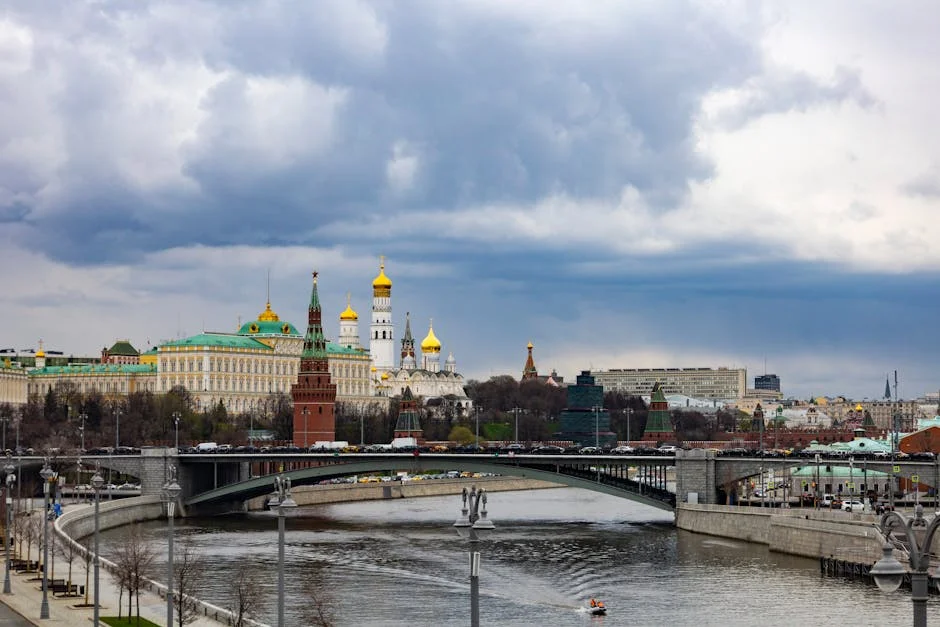
Sirens blared across Tel Aviv this morning as Iran launched a fresh wave of missile attacks, escalating ongoing tensions in the Middle East. This latest assault, occurring on October 3, 2023, has sent shockwaves through the region, prompting immediate alerts and emergency responses from Israeli authorities.
Understanding the Trigger: Iran's Military Strategy
The Iranian government has reportedly intensified its military activities in response to what it describes as provocations from neighbouring countries and foreign powers. Analysts believe this could be part of a broader strategy aimed at projecting strength in the region. Tehran's missile attacks, which have been targeted at military installations in Israel, signify a troubling escalation in hostilities.

Why This Matters for African Development Goals
This new wave of attacks in the Middle East is not just a regional issue; it has significant implications for Africa’s development goals. The ongoing instability could disrupt trade routes and energy supplies, particularly impacting oil-dependent economies like Nigeria. As African nations seek to diversify their economies and reduce reliance on fossil fuels, any disruption in global oil markets can have severe repercussions.
Sirens in Tel Aviv: A Reminder of Global Interconnectivity
The sound of sirens in Tel Aviv serves as a stark reminder of the interconnectedness of global security. Nigeria, which has been grappling with its own security challenges, must consider the implications of such international conflicts. A rise in global oil prices, triggered by Middle Eastern tensions, could lead to higher inflation rates in Nigeria, exacerbating existing economic challenges.
The Broader Impact on Governance and Economic Growth in Africa
As African leaders strive to achieve the United Nations Sustainable Development Goals (SDGs), external factors like the current situation in Iran can hinder progress. The immediate consequence of increased oil prices could lead to budgetary constraints in countries heavily reliant on oil imports. This, in turn, could affect public spending on education, health, and infrastructure development, which are vital for achieving the SDGs.
What to Watch For: Future Developments and Responses
In the wake of these attacks, the international community's response will be crucial. African nations, particularly those within the Economic Community of West African States (ECOWAS), must remain vigilant as they navigate these turbulent times. The potential for increased military spending due to external threats could divert funds from critical development projects. Observers will need to monitor how these developments unfold and their subsequent impact on Nigeria and other African nations.