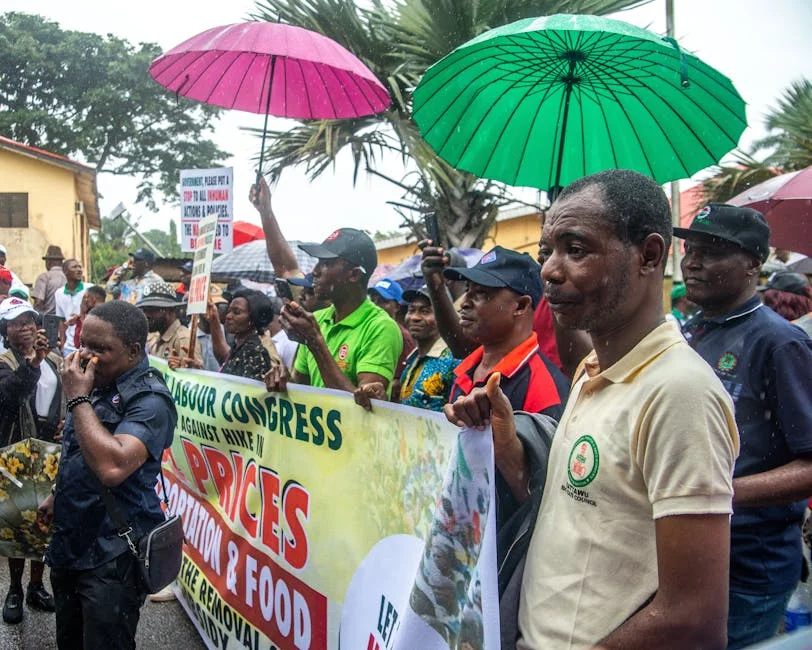
A landmark ruling by the Nigerian court has restricted the Finance Minister’s authority to unilaterally increase VAT rates, marking a significant moment for the nation’s fiscal governance. This decision comes amid ongoing debates about the budgetary implications for Nigeria’s economic stability and growth.
Judicial Ruling Shapes Fiscal Framework
On October 16, 2023, the Federal High Court of Nigeria ruled that Parliament must play a more active role in decisions regarding Value Added Tax (VAT) increases, a power previously held almost exclusively by the Finance Minister. This ruling emerged from a legal challenge that argued that unchecked powers of the Finance Minister could undermine democratic governance and economic equity.

Why the Budget Matters for Nigeria's Future
The annual budget is a pivotal instrument for Nigeria, influencing everything from healthcare to infrastructure development. With the current budget focusing on enhancing social services and economic recovery post-pandemic, the court's decision could either bolster or hinder these objectives depending on how Parliament navigates its newly reaffirmed responsibilities.
Impact on Economic Growth and Governance
As Nigeria grapples with high levels of inflation and a struggling economy, the Finance Minister's role in managing the budget has come under intense scrutiny. The court’s decision presents both challenges and opportunities for governance. Parliament’s involvement could lead to more transparency and public accountability in tax policy, potentially resulting in a more equitable distribution of resources.
Voices from the Political Landscape
Political analysts have praised the court’s ruling as a necessary check on executive power, noting that it aligns with broader African development goals of improved governance and accountability. “This ruling is a step towards ensuring that economic policies are not only effective but also democratically legitimised,” said Dr. Omoniyi, an economist and governance expert.
What to Watch Next: The Future of Taxation in Nigeria
Moving forward, the relationship between the Finance Minister and Parliament will be crucial in shaping Nigeria’s economic landscape. Observers will be keen to see how the government adapts its budget strategies in light of this ruling. Will Parliament seize this opportunity to foster more inclusive economic policies, or will the complexities of legislative procedures stall progress? The next budget discussions will undoubtedly be pivotal in determining the direction of Nigeria’s fiscal and economic health.