In a significant move to combat illegal fishing, Cape Town's Marine Unit has ramped up its operations along the West Coast, prompting discussions about marine governance and sustainability across Africa. The City of Cape Town announced this initiative following a disturbing rise in illegal fishing activities that threaten local ecosystems and livelihoods.
Marine Unit's New Strategies to Tackle Illegal Fishing
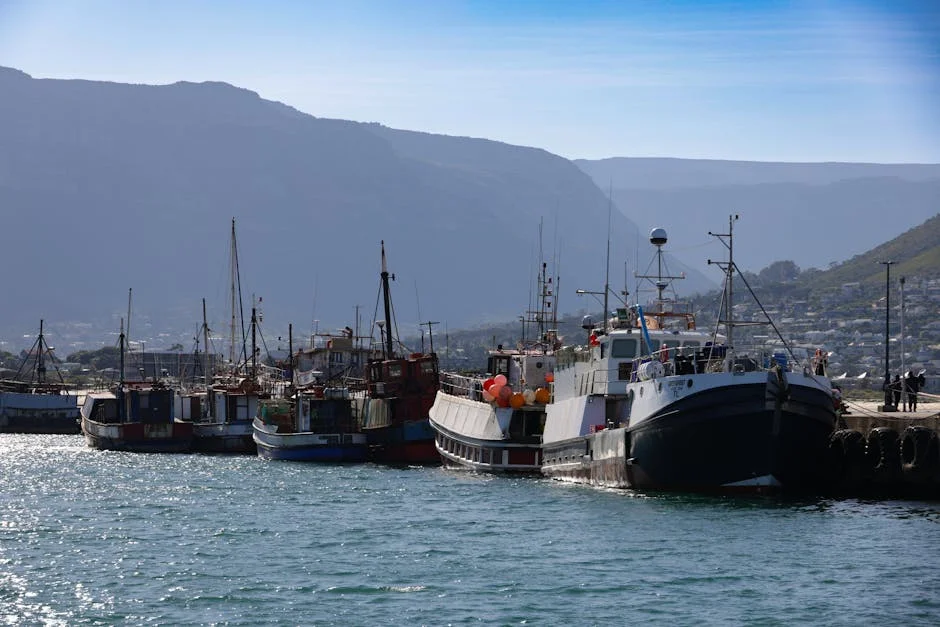
The Cape Town Marine Unit has deployed additional resources, including increased patrols and aerial surveillance, to monitor fishing activities in the region. This operation was launched in response to alarming reports indicating a surge in illegal fishing boats operating off the West Coast. The City officials revealed that the Marine Unit is also collaborating with local fishermen to educate them on sustainable practices and the importance of protecting marine resources.
The Broader Implications for African Development Goals
This crackdown on illegal fishing is directly tied to broader African development goals, particularly those concerning sustainable development and environmental protection. Illegal fishing not only depletes fish stocks but also undermines the economic stability of coastal communities reliant on fishing for their livelihoods. As African nations strive to achieve the United Nations Sustainable Development Goals (SDGs), effective marine governance becomes essential in promoting economic growth, environmental sustainability, and social equity.
Historical Context: The Rise of Illegal Fishing
Illegal fishing has been a persistent problem along Africa's coastlines, with West Africa being particularly hard-hit. The United Nations Food and Agriculture Organisation (FAO) estimates that illegal, unreported, and unregulated (IUU) fishing costs African countries billions in lost revenue annually. Cape Town's proactive measures may serve as a model for other regions facing similar challenges, highlighting the need for robust law enforcement and community engagement in combating IUU fishing.
The Economic Impact: Opportunities for Growth
By addressing illegal fishing, Cape Town's initiative could potentially lead to healthier fish stocks, which in turn could boost local economies and support food security. The Marine Unit's efforts, if successful, may encourage investment in sustainable fishing practices and infrastructure, aligning with the African Union's Agenda 2063 goals of promoting inclusive economic growth. Additionally, improved marine governance can attract eco-tourism, providing further economic opportunities for coastal communities.
What's Next for Cape Town and Africa?
As Cape Town's Marine Unit increases its operations, the city sets a precedent for other African nations grappling with illegal fishing. The ongoing development of sustainable fishing policies could inspire regional cooperation and lead to shared strategies for marine conservation. Observers will be watching closely to see how these efforts influence other coastal cities and their approaches to maritime law enforcement, governance, and sustainable development.