Africa is at a pivotal crossroads as it navigates the shifting dynamics of the new world order, with implications for governance, development, and economic growth. Recent discussions among African leaders highlight the continent's quest for equitable representation on global platforms, underscoring the urgency of addressing both internal and external challenges.
African Leaders Converge to Define Their Role
In October 2023, several African heads of state gathered at the African Union summit in Addis Ababa, Ethiopia, to assert the continent's position in a rapidly changing geopolitical landscape. With the rise of major powers and shifting alliances, leaders expressed the need for a unified voice that articulates Africa's interests and development goals.
Continental Challenges: From Governance to Infrastructure
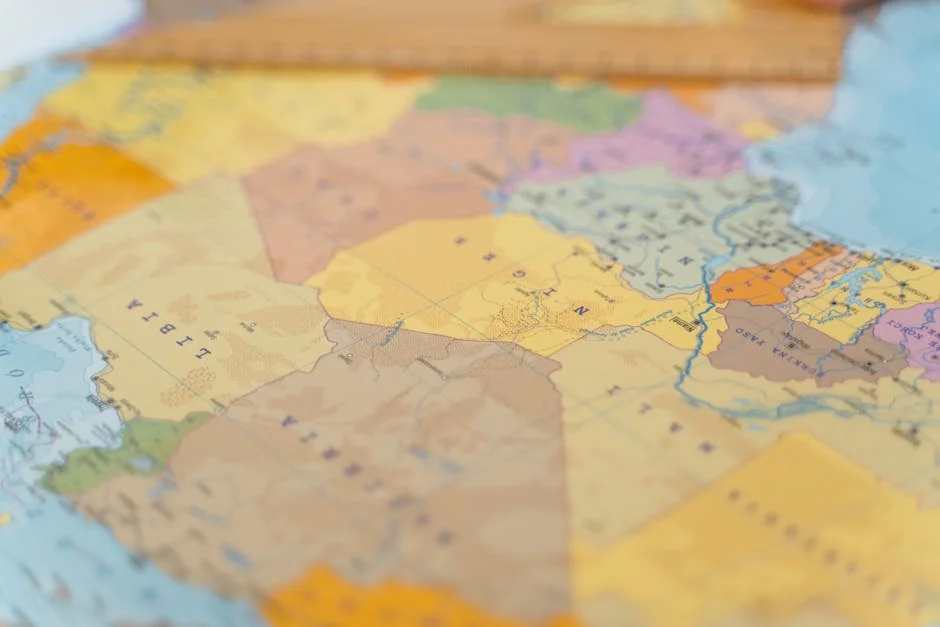
The discussions revealed a stark reality: Africa faces numerous challenges that threaten its growth trajectory. Governance issues, corruption, and inadequate infrastructure hinder progress. According to the African Development Bank, the continent requires $170 billion annually to bridge its infrastructure gap. This deficit directly affects health, education, and economic opportunity, perpetuating cycles of poverty.
Opportunities in a New Global Economy
Despite these challenges, the evolving global landscape presents opportunities for Africa. The continent's rich resources and youthful population could drive significant economic growth if harnessed effectively. Leaders emphasized the importance of investment in renewable energy and technology as key drivers for sustainable development. The African Continental Free Trade Area (AfCFTA) is also expected to bolster intra-African trade, potentially increasing GDP by $3 trillion by 2030.
The Role of Health and Education in Development
The health sector remains a focal point in Africa's development strategy. The COVID-19 pandemic exposed vulnerabilities in health systems across the continent. African leaders are now advocating for increased investment in healthcare infrastructure, which is essential for improving life expectancy and productivity. Furthermore, education reforms are being prioritised to equip the next generation with skills necessary for a modern economy.
What This Means for Nigeria and Beyond
Nigeria, as Africa's largest economy, stands to be significantly affected by these developments. The nation's political landscape is intricately linked to continental trends, making it crucial for Nigeria to engage actively in these discussions. As Africa seeks to reclaim its narrative on the global stage, Nigeria must leverage its resources and influence to ensure that its interests are represented.
As Africa grapples with its place in the new world order, the stakes are high. The continent's leaders must overcome internal divisions and unite to advocate for policies that promote sustainable development, infrastructure growth, and health improvements. The coming months will be critical as Africa positions itself in negotiations that could redefine its role in the global economy.