On Wednesday, a gathering of prominent Christian clerics in Nigeria raised concerns about a potential split within the Anglican Church, reflecting deeper issues within the faith community. With tensions rising over doctrinal differences, this meeting is not just about church governance but echoes broader societal challenges in Nigeria.
Clerics Address Growing Divisions Within the Anglican Community
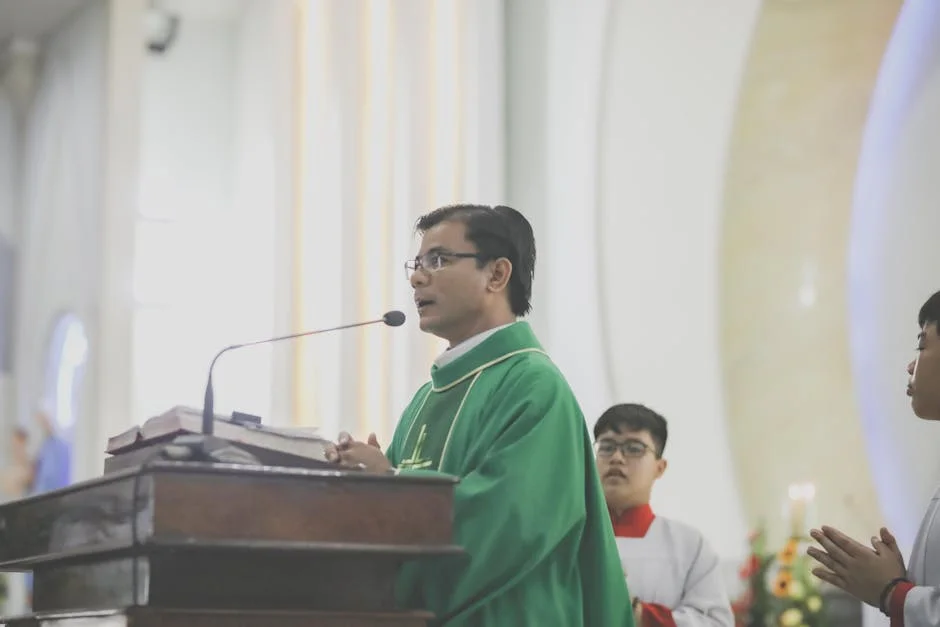
During the meeting held in Lagos, various leaders from the Anglican Church expressed their apprehensions regarding the ongoing divisions that threaten the unity of their denomination in Nigeria. The discussion was prompted by recent controversies over issues such as same-sex marriage and the role of women in the clergy, which have created rifts not only within the church but across the broader Christian community.
The Historical Context of Anglicanism in Nigeria
The Anglican Church has a rich history in Nigeria, dating back to the 19th century. It has played a pivotal role in the education and health sectors, contributing significantly to public welfare. However, the church's internal conflicts mirror the political and social challenges facing the nation. As Nigeria grapples with issues such as ethnic strife, corruption, and infrastructural decay, the church's ability to maintain unity is viewed as a barometer for national cohesion.
Impact on Nigerian Society and Development Goals
The potential split within the Anglican Church could have far-reaching implications for Nigeria's development landscape. With a significant portion of the population identifying as Christian, any disunity may hinder collective efforts towards key developmental goals, particularly in education and health. The Anglican Church has been instrumental in providing educational opportunities and healthcare services, particularly in underserved areas. A fractured church could disrupt these initiatives, exacerbating existing challenges in a nation that already faces numerous obstacles.
What Clerics' Decisions Mean for the Future
As the clerics continue their discussions, the outcome will be closely monitored by both religious and secular observers. Should a split occur, it could lead to the formation of rival factions, which may further complicate the already intricate landscape of religious governance in Nigeria. This situation presents an opportunity for dialogue and reconciliation, which could ultimately strengthen the church's role in advocating for peace and development.
Looking Ahead: Unity or Division?
The discussions among the clerics are a critical juncture for the Anglican Church and the wider Christian community in Nigeria. The decisions made during this meeting could either foster a renewed commitment to unity or herald a new chapter of division. As Nigeria continues to navigate its complex socio-political terrain, the church's response to these internal challenges will significantly influence its capacity to contribute to national development goals.