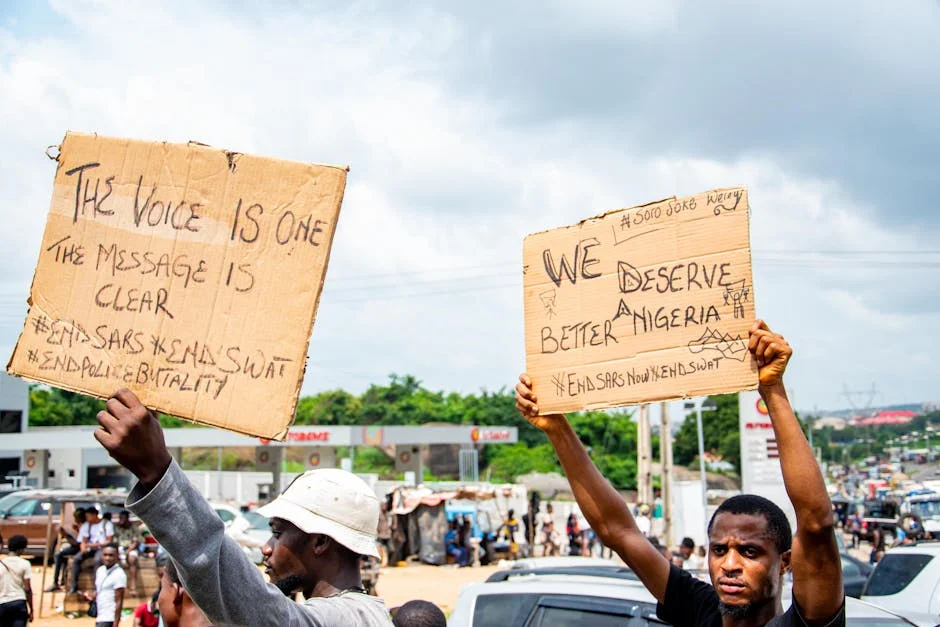
In a recent address, Portuguese President Marcelo Rebelo de Sousa unveiled a series of initiatives aimed at strengthening ties with African nations, particularly focusing on economic growth and infrastructure development. This announcement was made during his state visit to Nigeria on October 20, 2023, where he highlighted collaborative opportunities between Portugal and African countries.
Marcelo's Vision for African Partnerships
President Sousa's speech emphasised the importance of nurturing African partnerships to achieve mutual growth. He stated, "The future of Europe is intertwined with the future of Africa. Together, we can tackle challenges like climate change and economic disparities." This sentiment resonates with Africa's development goals, particularly the African Union's Agenda 2063, which focuses on inclusive growth and sustainable development.
Key Initiatives Unveiled During the Visit
Among the initiatives revealed by Sousa are plans to invest in renewable energy projects across several African nations, including Nigeria. These projects aim to enhance energy access, which is crucial for economic growth and improving health care services in underserved areas. Additionally, Sousa announced a scholarship programme aimed at increasing educational opportunities for African students in Portugal, which could lead to improved governance and leadership skills back home.
The Impact of Sousa's Policies on Nigeria
With Nigeria being one of Africa's largest economies, Sousa's initiatives are expected to have a significant impact. Investment in infrastructure, particularly in the energy sector, can lead to enhanced productivity and economic growth, addressing the challenges of power outages that plague many Nigerian businesses. Furthermore, educational scholarships may foster a new generation of leaders equipped to tackle Nigeria's governance issues.
Context: Why This Matters for African Development
The relationship between Portugal and African nations is rooted in historical ties, but the contemporary focus on collaborative development is critical for both parties. As Africa faces challenges such as inadequate infrastructure, health crises, and economic instability, initiatives like Sousa's can provide much-needed support. This approach aligns with the goals of the African Continental Free Trade Area (AfCFTA), aiming to boost intra-African trade and economic integration.
Looking Ahead: What to Watch For
As the initiatives take shape, stakeholders in Nigeria and beyond will be watching closely to see how these developments unfold. Key indicators of success will include the establishment of partnerships between Portuguese companies and Nigerian businesses, the number of scholarships awarded, and progress on renewable energy projects. If successful, these initiatives could serve as a model for other countries seeking to enhance their ties with Africa.