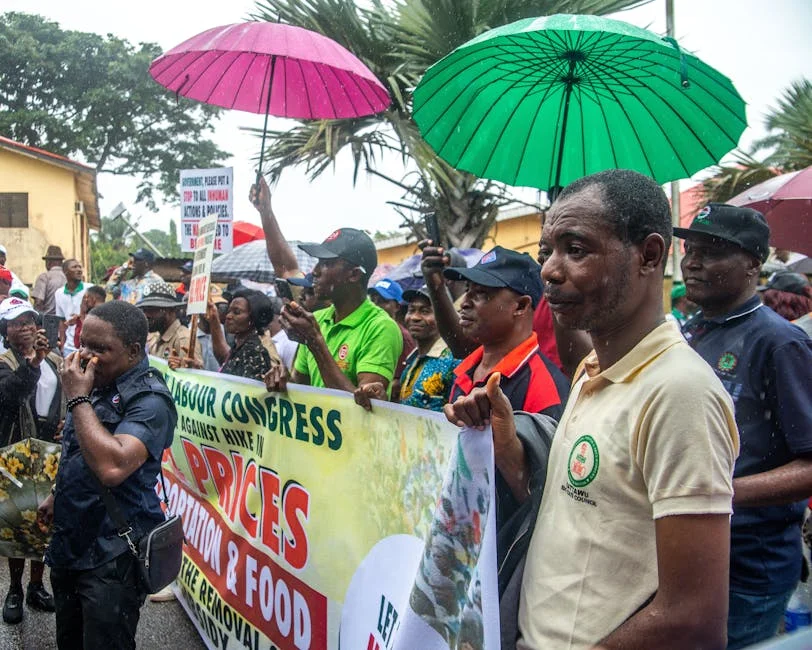
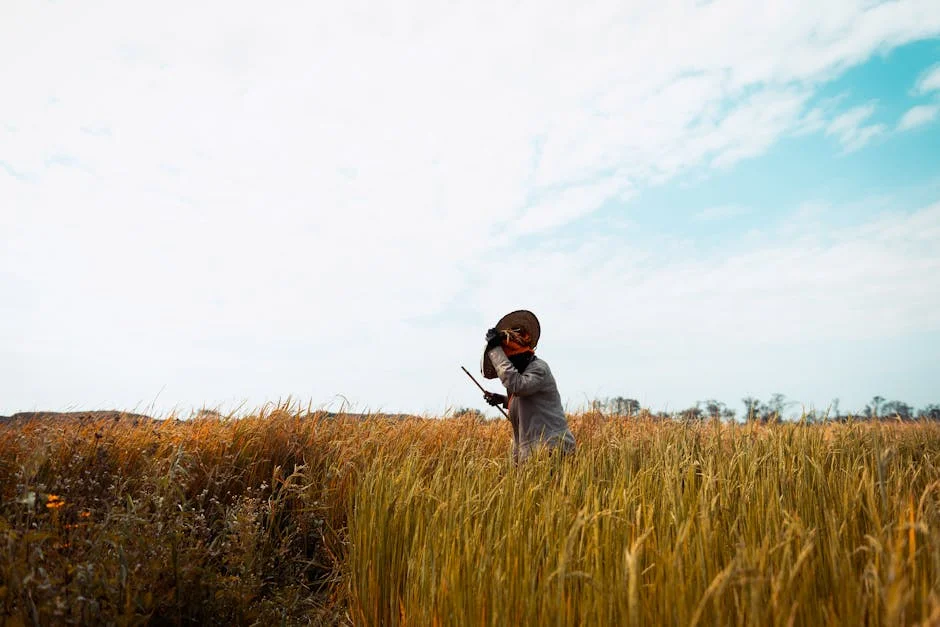
On Wednesday, cocoa growers in Ivory Coast face a shocking 60% cut in prices for their produce, a decision that could severely impact the nation's agricultural economy and exacerbate existing challenges in the sector. This drastic reduction, announced by the government, emerges amidst a global cocoa price slump and has raised alarms about the livelihoods of thousands of farmers.
Implications for Farmers in Ivory Coast
The price cut comes as a direct response to declining global cocoa prices, which have plummeted due to oversupply and low demand in key markets. According to the Ivory Coast Cocoa and Coffee Council, the new price per tonne will be reduced from $2,600 to $1,040. This decision threatens the earnings of around 5 million farmers who depend on cocoa for their livelihoods, raising concerns over food security and rural poverty.

Historical Context of Cocoa Production
Ivory Coast is the world’s largest cocoa producer, contributing to nearly 40% of global supply. Historically, the nation has relied heavily on this cash crop as a cornerstone of its economy. However, volatility in cocoa prices has been a persistent issue, with farmers often bearing the brunt of market fluctuations. The current situation draws attention to the need for improved strategies in agricultural governance and financial support systems for smallholder farmers.
Link to African Development Goals
This drastic price cut poses significant threats to multiple African development goals, particularly those related to poverty alleviation and sustainable economic growth. The reduction in income for cocoa farmers underscores the fragility of agricultural systems in Africa, where reliance on commodity exports often leaves local economies vulnerable to global market shifts. The situation calls for urgent discussions on diversifying income sources and enhancing agricultural resilience across the continent.
Potential Impact on Regional Markets
The ripple effects of this development are likely to extend beyond Ivory Coast, impacting regional markets, including Nigeria, which is also a significant cocoa producer. As farmers in Ivory Coast struggle with reduced incomes, there may be a surge in cocoa prices from competitors like Nigeria, which could affect trade dynamics in West Africa. Additionally, lower purchasing power for farmers could lead to decreased domestic consumption, further escalating economic challenges.
Looking Ahead: What to Watch For
As the cocoa price crisis unfolds, stakeholders must monitor government responses and potential interventions aimed at supporting farmers. The introduction of better financial mechanisms and crop diversification strategies will be crucial in mitigating the impacts of this price cut. Activists and policymakers alike will need to advocate for sustainable practices that will not only protect farmers’ incomes but also contribute to the long-term stability of the agricultural sector in Ivory Coast and beyond. Observers should also watch for potential protests from farmers demanding fair prices and better support from their government.