In a significant move, Israel announced it will keep the Al-Aqsa Mosque and other holy sites in Jerusalem closed this Friday, amidst rising tensions in the region. This decision, made public on Thursday, has drawn sharp criticism from various quarters, raising concerns over the implications for peace and stability in the Middle East.
Impact of Al-Aqsa Closure on Regional Stability
The closure of the Al-Aqsa Mosque, one of Islam’s holiest sites, is expected to escalate tensions not only in Jerusalem but throughout the Middle East. Friday prayers attract thousands of worshippers, and the restrictions are likely to provoke unrest among Palestinians and other Muslim communities. Following the announcement, Palestinian officials condemned the move, warning it could lead to a significant backlash.
Historical Context of Religious Conflicts in Jerusalem
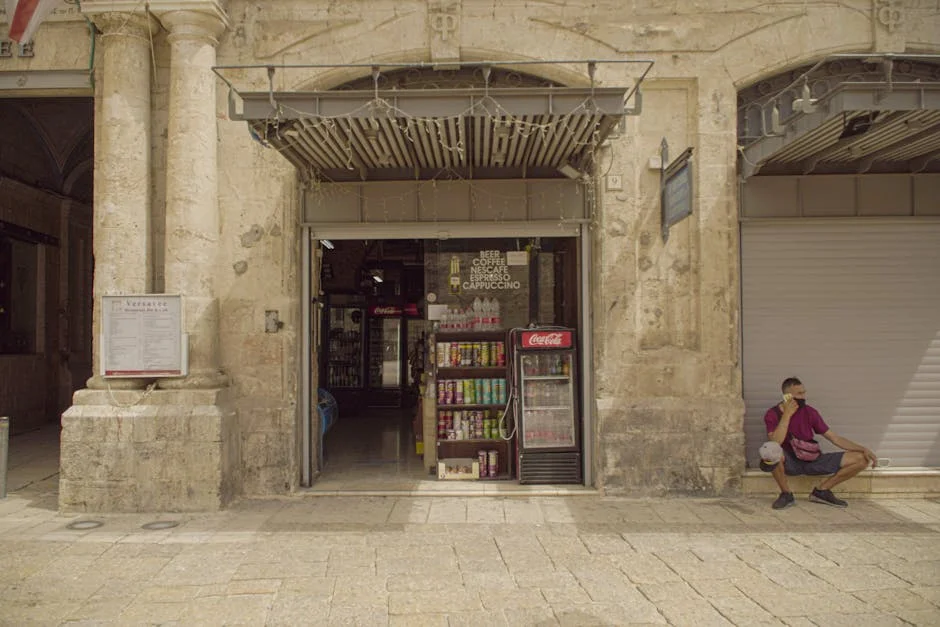
Jerusalem has been a focal point of religious and political conflict for decades, with both Israelis and Palestinians claiming historical ties to the city. The Al-Aqsa Mosque, located in the Old City, is situated near the Western Wall, which is sacred to Jews. This proximity often fuels tensions, especially during sensitive times like Ramadan or significant religious holidays.
Global Reactions and Their Implications
International reactions to Israel's decision have been swift, with various countries and organisations urging restraint. The United Nations has called for the protection of religious sites, while several African nations have voiced their support for Palestinian rights. As such developments unfold, they could influence diplomatic relations and alignments within Africa and beyond.
How This Affects African Development Goals
The ongoing conflict in Jerusalem presents a challenge to African development goals, particularly concerning peace and security. The instability resulting from closures and tensions can hinder economic cooperation and development initiatives across the continent. Nations like Nigeria, which maintain strong ties to the Palestinian cause, may find their diplomatic efforts further complicated by ongoing violence and unrest in the region. Additionally, instability often leads to increased migration flows, which can strain resources in African nations already facing economic challenges.
Future Watch: What’s Next for Jerusalem and Africa?
As the situation develops, observers will closely monitor how the closure affects not only the immediate region but also the broader African context. The potential for increased unrest may lead to calls for international mediation and peace initiatives. For African countries, understanding the implications of Jerusalem developments is crucial, as they navigate their own challenges related to governance, economic growth, and regional stability.