In a significant move, European mayors have called on Brussels to allocate more resources to local governments amid rising economic pressures. This demand arrives as cities grapple with the aftermath of the pandemic and increasing costs of living, particularly affecting vulnerable populations.
Local Governments Seek Financial Relief
On Tuesday, leaders from various European states convened in Brussels, urging the European Commission to enhance funding for local authorities. They argue that without additional resources, municipalities will struggle to meet the growing needs of their residents. With the economic fallout from the COVID-19 pandemic still evident, mayors expressed their concerns that inadequate financial support could hinder urban development and social services.
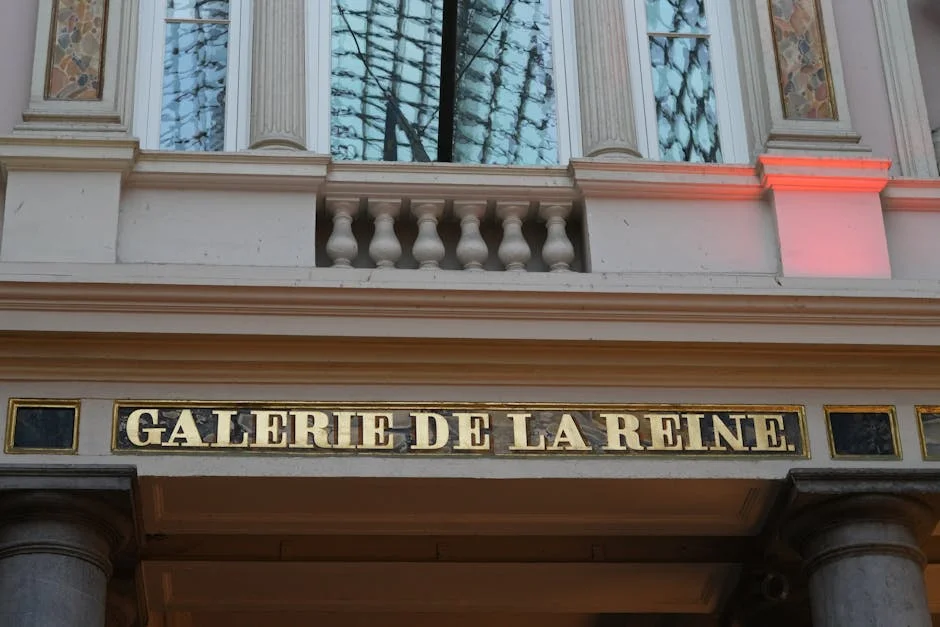
Brussels' Response to Economic Challenges
The European Union has faced mounting pressure to respond effectively to the economic challenges faced by its member states. As inflation continues to rise and energy prices soar, Brussels is reportedly considering a proposal to increase financial aid to local governments. However, the details of any potential funding boost remain unclear, prompting further discussions among European leaders.
Linking Local Demands to Global Development Goals
This situation is not merely a European issue; it resonates with broader discussions about development goals on the African continent. Like their European counterparts, many African cities are grappling with similar challenges, including infrastructure deficits, health crises, and educational shortcomings. The demand for more resources echoes the call for greater investment in infrastructure and social services that aligns with the United Nations Sustainable Development Goals (SDGs).
Opportunities for Pan-African Collaboration
The ongoing discussions in Brussels present an opportunity for African nations to advocate for increased international support. With many countries in Africa striving to achieve their development goals, the lessons learned from European mayors could inform strategies for local governance and resource allocation. Strengthening governance frameworks and enhancing local capacities could unlock significant economic growth across the continent.
Consequences for Nigeria and Other African Nations
As European mayors demand more funding, the implications for Nigeria and other African nations are profound. The need for robust governance and infrastructure development is paramount as Nigeria seeks to bolster its economic performance. Increased collaboration between European and African cities could pave the way for innovative solutions to shared challenges, fostering economic resilience in both regions.
Ultimately, the developments in Brussels could serve as a catalyst for African leaders to rethink their own approaches to governance and development. By leveraging the experiences of European cities, African nations may find new pathways to address their unique challenges and seize opportunities for growth.