A recent article by Daily News highlights a critical issue affecting children across Africa: overthinking. This phenomenon, often misinterpreted as laziness, demands urgent attention as it impacts educational outcomes and mental health across the continent.
Understanding Overthinking: A Barrier to Learning
Overthinking among children has been identified as a significant barrier to effective learning and personal development. Many children in Africa struggle with anxiety and self-doubt, leading them to overanalyze their capabilities. This can result in a reluctance to engage in academic activities, which is detrimental to their educational progress.
The Role of Education in Addressing Mental Health
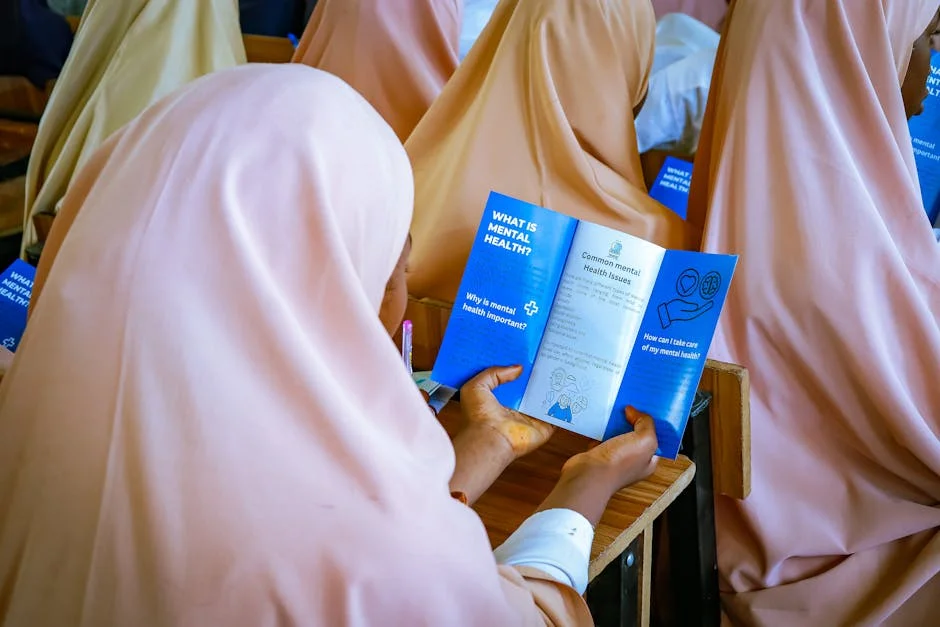
Education in Africa is not just about imparting knowledge; it also encompasses fostering mental well-being. Schools must incorporate mental health awareness into their curricula to help students manage stress and anxiety. By doing so, educators can create an environment where children feel safe to express their thoughts and emotions without fear of judgment, ultimately promoting better academic performance.
Pan-African Opportunities for Change
Addressing the issue of overthinking presents a unique opportunity for collaborative action across the continent. African governments and agencies can work together to develop programmes aimed at mental health education and support. By investing in psychological resources for schools, countries can enhance their educational systems and contribute to the continent’s long-term development goals.
What Parents Can Do: Encouraging Open Communication
Parents play a pivotal role in mitigating the effects of overthinking in their children. By encouraging open communication about feelings and experiences, parents can help children navigate their thoughts more effectively. This can foster resilience and a healthier mindset, allowing children to tackle challenges with confidence.
Consequences for African Development Goals
The issue of overthinking among children is not just a personal concern; it is a developmental challenge that affects the broader goals of the African Union. As the continent strives for improved educational outcomes, economic growth, and better governance, addressing mental health issues will prove essential. A generation of students who can think critically and manage stress will be better equipped to lead Africa towards a prosperous future.