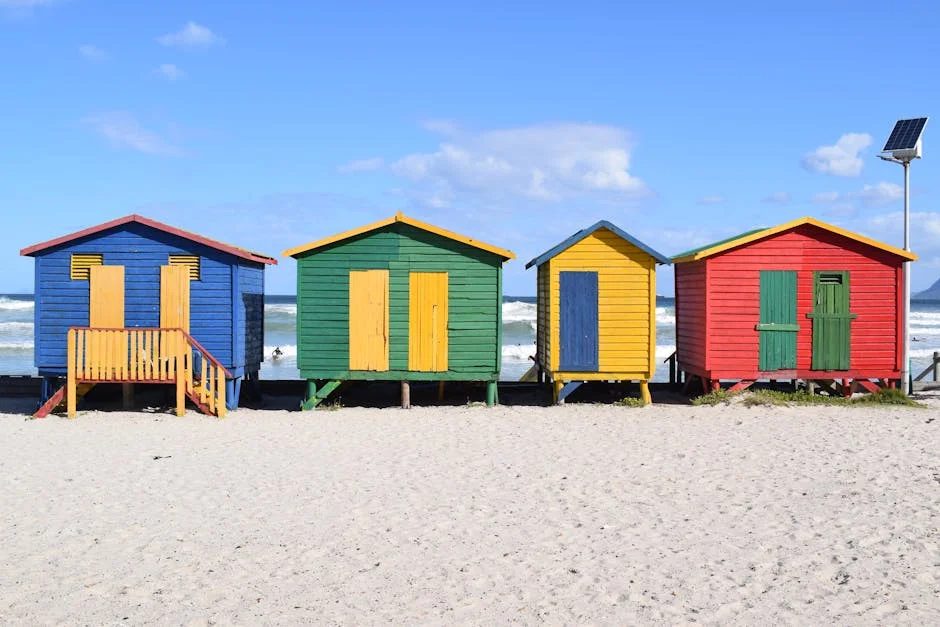
Cape Town authorities have announced the closure of yet another public swimming pool, a decision that has raised concerns about urban infrastructure and community health. Located in the heart of the city, the pool was a vital resource for residents, particularly in a region where access to recreational facilities is increasingly restricted.
Community Outcry Over Pool Closures
The closure, which was announced earlier this week, follows the shuttering of several other pools in Cape Town over the past few years. Community members voiced their frustrations, arguing that access to public swimming facilities is essential for promoting health and wellbeing, especially among youth. “Swimming is not just a sport; it’s a crucial life skill,” said community activist Thandiwe Nkosi. “These closures limit our children's opportunities for physical activity and learning.”
Impact on Health and Education Goals
The cessation of operations at public pools directly undermines South Africa’s broader development goals, particularly those related to health and education. Access to recreational facilities is linked to improved physical fitness, which is essential in combating health issues such as obesity and diabetes prevalent among the youth. Moreover, swimming lessons are a vital aspect of education in water safety, a critical issue for coastal communities.
Infrastructure Challenges in Cape Town
As Cape Town continues to grapple with infrastructural challenges, the closure of public amenities signals a worrying trend. The city has been struggling with limited funding and maintenance issues that have affected numerous public services. This trend mirrors challenges faced in other African cities, where infrastructural inadequacies impede social development and economic growth. As such, the closure of these pools serves as a reminder of the urgent need for investment in urban infrastructure across the continent.
Potential for New Developments
While the closure of public pools is disheartening, it also presents an opportunity for stakeholders to innovate and advocate for better urban planning. Experts suggest that revitalising urban spaces to include multifunctional recreational areas could improve community engagement and promote healthy lifestyles. “We need to rethink our approach to urban infrastructure,” says urban planner Sibusiso Moyo. “Investing in inclusive recreational facilities can transform communities and bolster local economies.”
Looking Ahead: What’s Next for Cape Town?
Moving forward, residents and local leaders must hold authorities accountable for the maintenance of public amenities. The closure of these pools highlights the need for a regional dialogue on urban development that prioritises health, wellness, and accessibility. As Cape Town grapples with these challenges, other cities and nations should take note. Ensuring that all residents have access to recreational facilities is not just about leisure; it is about fulfilling the broader objectives of health and education as articulated in the African development agenda.