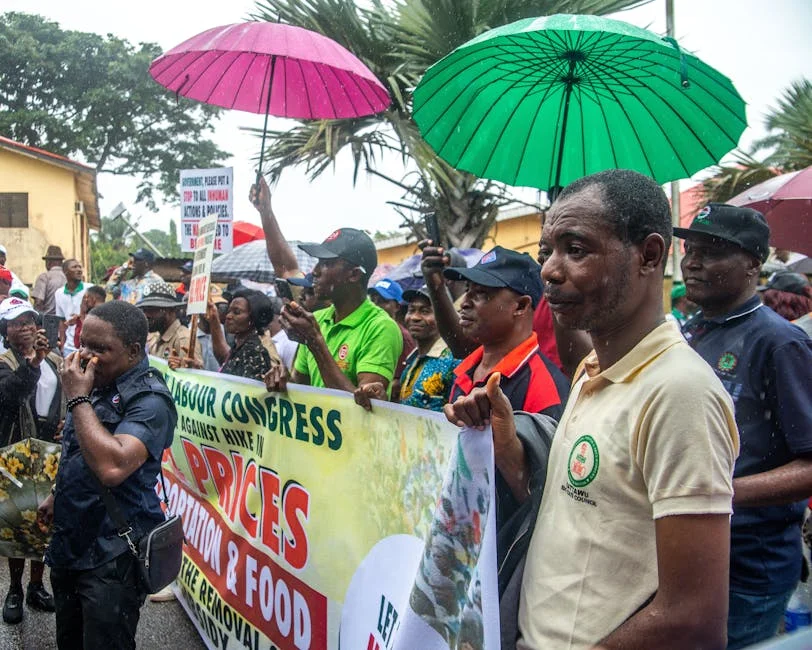
Africa is at a crossroads as it seeks to assert its influence in a rapidly changing global landscape. Recent discussions among African leaders have highlighted the continent's aspirations for greater representation in international decision-making. With challenges such as economic instability, health crises, and infrastructure deficits, the call for a more significant role in the new world order is louder than ever.
Shifting Global Dynamics: What Africa Faces
The geopolitical landscape is undergoing profound transformations, with emerging powers gaining prominence while traditional Western hegemony wanes. Africa, with its rich resources and youthful population, is increasingly being recognised as a crucial player. However, this recognition comes with the challenge of navigating complex relationships with both established powers and rising nations like China and India.

The Role of Economic Growth in Africa’s Agenda
As African nations strive for sustainable development, economic growth remains a top priority. According to the African Development Bank, the continent's GDP is expected to grow by 4.1% in 2024, although this recovery is uneven across different regions. Countries like Nigeria, which has the largest economy in Africa, are pivotal in driving this growth, but they also face significant hurdles, including corruption and infrastructure deficits.
Health and Governance: Pillars of Stability
Health crises, exemplified by the COVID-19 pandemic, have underscored the need for stronger governance and health systems. African leaders are calling for increased investment in healthcare infrastructure, which is essential to safeguard against future pandemics and improve overall public health. This focus on health is not just a response to immediate needs but a strategy to enhance governance and boost economic resilience.
Education as a Catalyst for Development
Education is another vital area that requires urgent attention. With over 200 million young people in Africa, the continent's demographic dividend can only be realised through quality education and skills training. Investments in education are essential for fostering innovation and entrepreneurship, which in turn can drive economic growth and reduce unemployment.
Opportunities Ahead: Collaborations and Partnerships
Despite the challenges, Africa's future is bright with opportunities. Enhanced collaborations with international partners can provide the necessary resources and expertise to tackle pressing issues. The African Continental Free Trade Area (AfCFTA) presents a unique opportunity to boost intra-African trade and foster economic integration, which is critical for long-term stability and growth.
Africa's stance in the new world order is not merely about survival; it is about thriving and ensuring that the continent has a voice in shaping its future. As the world watches how these dynamics unfold, the outcome will significantly impact Africa's development goals and its ability to overcome historical challenges.