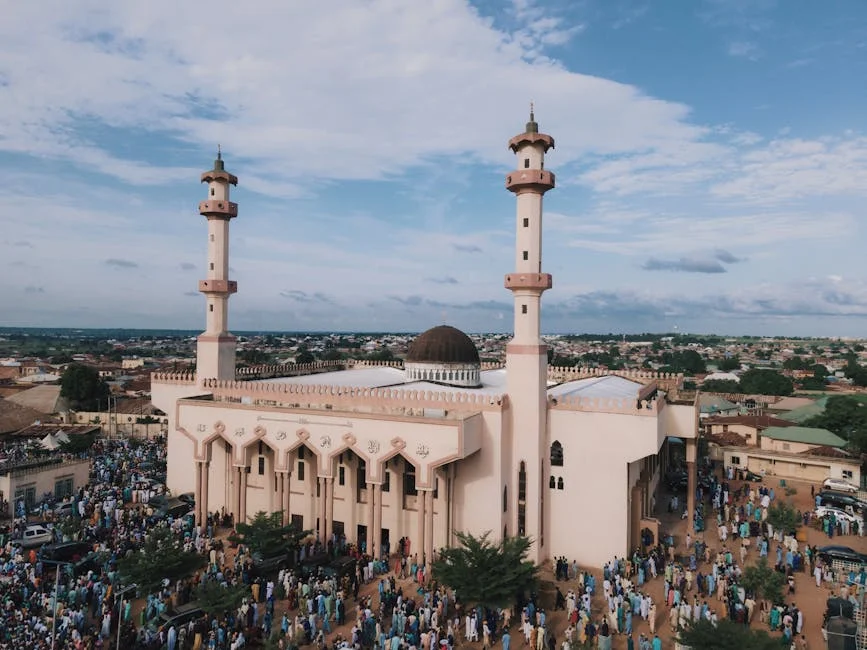
Your development goals are crucial in shaping Africa's economic future. On 10 October 2023, stakeholders from various sectors gathered in Abuja to discuss the importance of these goals in addressing the continent's pressing challenges. The event highlighted the role of infrastructure, health, education, governance, and economic growth in achieving sustainable development.
Infrastructure Investment: The Key to Connecting Africa
One of the main themes at the Abuja gathering was the urgent need for enhanced infrastructure across the continent. Poor roads, inadequate transportation networks, and limited access to electricity remain significant barriers to economic growth. According to the African Development Bank, Africa requires $130 billion annually to close its infrastructure gap. Failure to invest in these areas stifles trade and limits opportunities for businesses.

Health Challenges: The Ongoing Crisis
Health experts at the event underscored the critical situation surrounding healthcare services in Africa. The COVID-19 pandemic exposed many weaknesses in health systems, which remain underfunded and overwhelmed. The World Health Organisation estimates that Africa has only 2.3 doctors for every 1,000 people. Addressing these disparities is essential for achieving the United Nations' Sustainable Development Goals (SDGs), specifically Goal 3, which aims to ensure healthy lives and promote well-being for all.
Education: A Pathway to Economic Empowerment
Education was identified as a vital component for economic empowerment and reducing poverty. Despite significant progress in enrolment rates, a staggering 32 million children in Africa remain out of school. The African Union has set ambitious targets to increase literacy and skills development by 2030. Stakeholders at the Abuja event called for greater investment in educational infrastructure and teacher training to meet these targets and empower the continent's youth.
Governance: The Framework for Progress
Effective governance is essential for the successful implementation of development goals. Corruption, political instability, and a lack of transparency hinder investment and economic growth. The African Governance Report highlights that countries with strong governance frameworks tend to perform better on development indicators. Participants at the conference urged leaders to prioritise good governance as a means to create a conducive environment for development.
Economic Growth: Harnessing Opportunities for All
Despite these challenges, there are significant opportunities for economic growth in Africa. The African Continental Free Trade Area (AfCFTA) is expected to boost intra-African trade by 52% by 2022, presenting a massive opportunity for businesses across the continent. By removing trade barriers and fostering collaboration, the AfCFTA can contribute to achieving economic development goals and stimulate job creation.
Conclusion: The Road Ahead
The discussions in Abuja highlighted that achieving development goals requires a collective effort from all stakeholders, including governments, private sectors, and civil society. The integration of infrastructure, health, education, governance, and economic growth will be paramount in overcoming Africa's challenges and seizing opportunities. As Africa moves forward, it is essential to remain committed to these goals to ensure a brighter future for all.