Nigeria’s mortgage refinancing plunged to 466 million naira in January 2023, highlighting serious challenges in the housing market amid economic fluctuations. This decline signifies a critical junction for homeownership and affordable housing initiatives in the country, impacting both individual families and broader economic growth.
Declining Mortgage Activity Signals Economic Strain
The reduction in mortgage refinancing reflects a broader trend of economic uncertainty in Nigeria, where inflation has surged and foreign exchange pressures continue to mount. In January, the Central Bank of Nigeria (CBN) reported a significant drop from previous months, raising concerns about access to affordable housing for many citizens.
Impact on Housing Development Goals
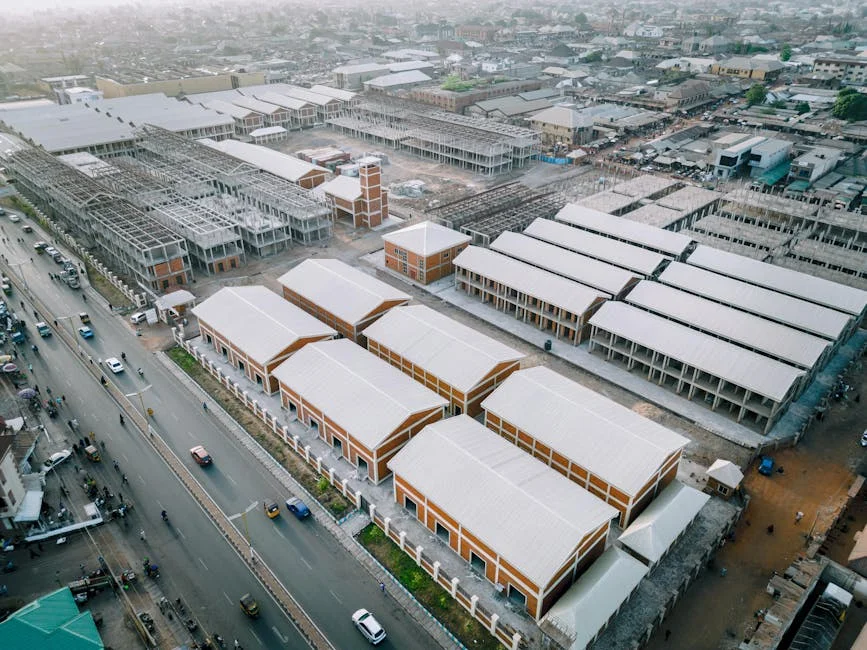
This decline in mortgage activity poses a direct challenge to Nigeria’s development goals, specifically the National Housing Policy that aims to provide affordable housing for all. The government has set ambitious targets to bridge the housing deficit, which is estimated at over 20 million units, yet these targets may be undermined by tightening credit conditions.
Infrastructure and Governance: Key Challenges
Infrastructure development continues to be an impediment to housing growth in Nigeria. Poor road networks, inadequate utilities, and ineffective governance contribute to the high cost of housing. Without robust infrastructure, even when mortgages are available, the overall cost of homeownership remains unmanageable for many.
Health and Education Interconnections
The decline in mortgage refinancing also intersects with broader issues of health and education. Poor housing conditions contribute to health problems, impacting productivity and educational outcomes for children. The link between secure housing and improved health metrics underlines the critical need for targeted policies that address these intertwined challenges.
Opportunities for Economic Growth Amidst Challenges
Despite these challenges, there are opportunities for economic growth. Fintech innovations offer potential solutions to bridge the financing gap for homebuyers. New models of micro-financing and community-driven housing initiatives could empower individuals to access loans more easily, potentially revitalising the housing market.
Looking Ahead: What to Watch For
As Nigeria grapples with these challenges, stakeholders must focus on creating a conducive environment for housing development. Policymakers, financial institutions, and civil society need to collaborate to enhance access to credit and improve housing conditions. The situation demands urgent attention, as it could shape the future of not just the housing market but the overall economic landscape in Nigeria.