Maharashtra, India's largest economy, has reported the slowest growth rate among the top four states in the country, raising alarms about its economic trajectory. This slowdown was highlighted in the latest quarterly economic data released in October 2023, which revealed that Maharashtra's GDP growth slowed to 4.2% in the last fiscal year, trailing behind states like Gujarat and Karnataka.
Maharashtra's Economic Landscape: An Overview
The state of Maharashtra is a critical player in India's economic landscape, contributing approximately 14% to the national GDP. Despite its status as an economic powerhouse, the recent growth figures have sparked discussions on the underlying factors affecting its performance. The state has faced several challenges, including a decline in industrial output and sluggish agricultural performance, particularly in rural areas heavily reliant on monsoons.
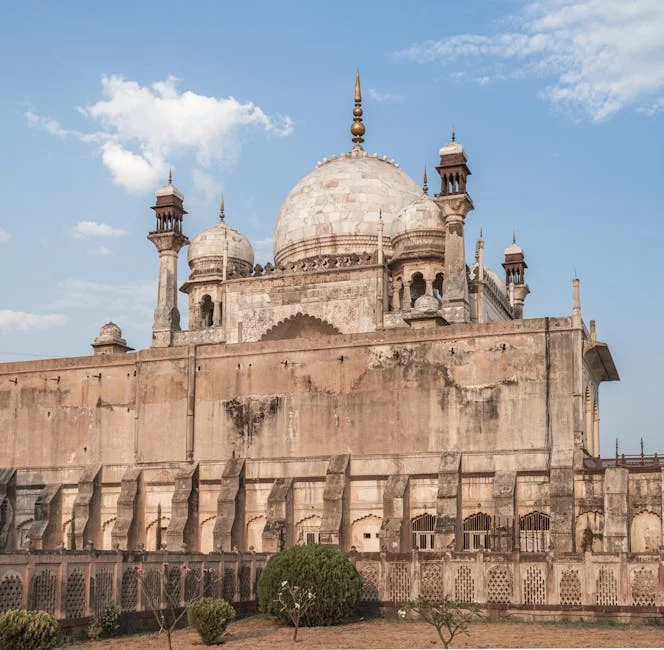
Comparative Growth: Maharashtra vs. Other States
In comparison, Gujarat and Karnataka have shown robust growth rates of 6.5% and 5.9%, respectively. Analysts suggest that Maharashtra's heavy reliance on traditional industries like textiles and agriculture, combined with infrastructural bottlenecks, has hindered its ability to adapt to newer economic models that prioritise technology and innovation. This stagnation could have ripple effects on the broader Indian economy, which is aiming for a target GDP growth of 7% in the next fiscal year.
Implications for African Development Goals
The developments in Maharashtra resonate with the challenges faced across the African continent. Just as Maharashtra's economic slowdown highlights the need for diversified growth and infrastructure improvements, African nations are similarly grappling with the necessity of transforming their economies to meet development goals. The African Union's Agenda 2063 emphasises the importance of industrialisation, technological innovation, and sustainable growth, much like what Maharashtra needs to pursue in the face of its current challenges.
Opportunities for Collaboration: India and Africa
The situation in Maharashtra presents an opportunity for increased collaboration between India and African nations, including Nigeria. As both regions seek enhanced economic growth, there exists potential for knowledge exchange, particularly in sectors like technology, agriculture, and education. India has made significant strides in digital infrastructure and innovation, which could serve as valuable lessons for African countries aiming to leapfrog traditional development models.
Looking Ahead: What to Watch For
As Maharashtra navigates its economic challenges, observers should monitor potential policy shifts aimed at stimulating growth. The state's government may consider incentivising sectors such as renewable energy and technology, which could align with broader global trends towards sustainability. For African leaders, the developments in Maharashtra may serve as a case study, offering insights into the importance of diversifying economies and investing in infrastructure to facilitate growth. In conclusion, the trajectory of Maharashtra's economy could serve as a bellwether for both India and African nations, highlighting the interconnectedness of global economic trends.