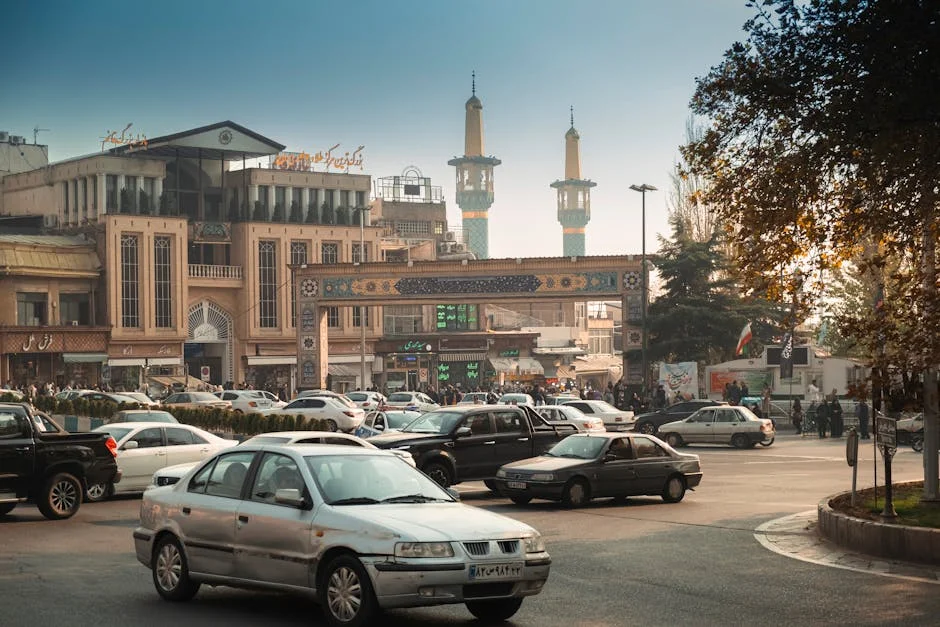
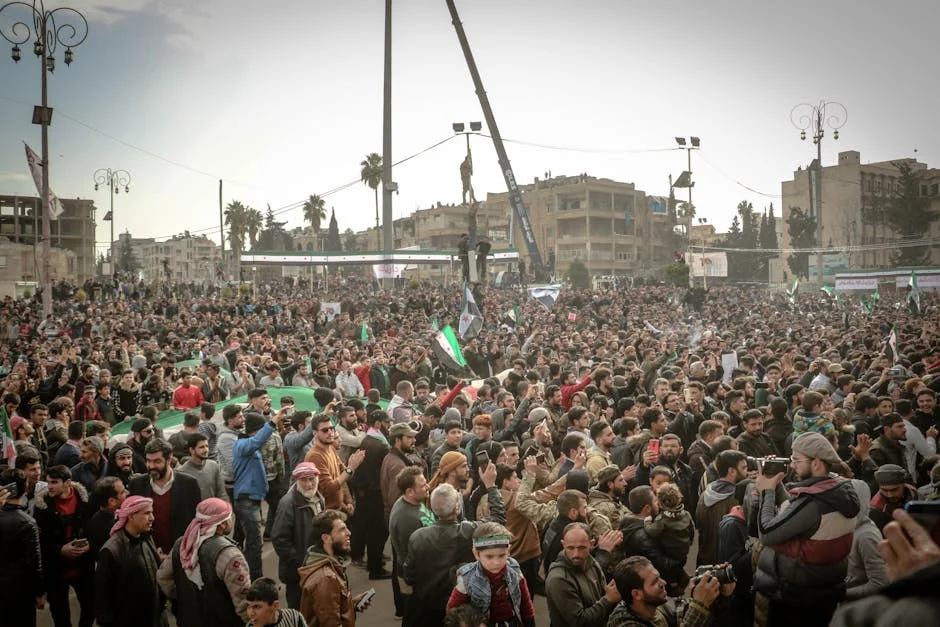
The Ethiopian government has raised alarms over the potential resurgence of violence in the Tigray region, with officials in Mekelle warning that armed clashes could erupt imminently. This warning follows a series of provocations and military movements that have raised tensions in the area, threatening to destabilise not only Tigray but the entire nation.
Recent Developments in Tigray
On October 15, 2023, Ethiopian Prime Minister Abiy Ahmed confirmed reports of escalating tensions in Tigray. The government has mobilised troops towards the region, responding to what they describe as threats from the Tigray People's Liberation Front (TPLF). This comes after a fragile peace agreement was reached in late 2022, which ended two years of brutal conflict that resulted in significant humanitarian crises.

Historical Context: A Region Scarred by Conflict
The Tigray region has been embroiled in conflict since November 2020, when the Ethiopian government launched a military offensive against the TPLF, which it accused of attacking a federal military base. The subsequent violence led to atrocities, widespread displacement, and a dire humanitarian situation. While the ceasefire in 2022 offered a glimmer of hope, underlying issues such as political exclusion and ethnic tensions remain unresolved.
The Broader Implications for African Development
This renewed unrest in Tigray poses significant risks not only to Ethiopia's stability but also to broader African development goals. The African Union has emphasised the importance of peace and security in achieving Agenda 2063, which aims for a prosperous and integrated Africa. Continued conflict undermines progress in health, education, and infrastructure development, crucial for lifting millions out of poverty.
Potential Effects on Regional Stability
A prolonged conflict in Tigray could have far-reaching consequences beyond Ethiopia's borders. Neighbouring countries could face an influx of refugees, further straining resources and heightening tensions. Moreover, if the situation escalates, it could disrupt trade routes and economic activities, affecting the entire Horn of Africa region. Countries like Nigeria may find themselves grappling with the ramifications of instability in an influential African nation.
What Lies Ahead: Monitoring the Situation
As the situation unfolds, it is essential for the international community and regional organisations to engage proactively with Ethiopian authorities and the TPLF to prevent a return to full-scale conflict. The world will be watching closely to see if diplomatic efforts can avert a humanitarian crisis and foster a sustainable peace. The outcomes in Mekelle will not only shape Ethiopia's future but also resonate across the continent, highlighting the interconnected nature of African development challenges and opportunities.