Thabo Bester, the convicted criminal notorious for his escape from prison, has lost a second urgent application to be transferred from the Correctional Centre in Pretoria to a facility in Natal. This decision, made on Tuesday, underscores the ongoing challenges within South Africa's correctional system and its implications for broader judicial reforms.
Legal Battle Over Prison Conditions
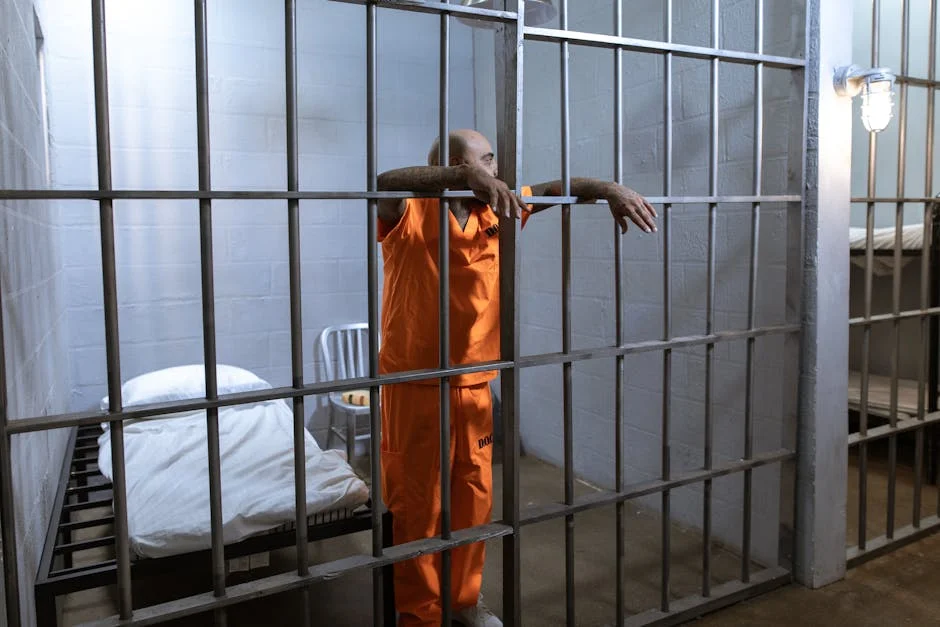
Bester's legal team argued that the conditions at the Pretoria Correctional Centre were detrimental to his mental health, citing overcrowding and inadequate medical care. However, the court dismissed the application, stating that there was insufficient evidence to warrant a transfer. This case has attracted significant media attention, as it highlights systemic issues within the South African prison system.
Historical Context of South Africa's Correctional Facilities
The challenges facing South Africa's correctional facilities are not new. Over the past few decades, the country has struggled with overcrowding, poor living conditions, and inadequate resources. In 2020, a report by the South African Human Rights Commission indicated that many prisons were operating well beyond their capacity, leading to an environment that often fosters violence and disease.
Implications for Governance and Development Goals
This case brings to light the critical need for reform within South Africa's correctional systems, aligning with the African Union's Agenda 2063, which emphasizes the importance of governance and justice. As countries across the continent strive to meet the United Nations Sustainable Development Goals—particularly those relating to justice, peace, and strong institutions—Bester's situation serves as a stark reminder of the work still required.
Opportunities for Reform and Economic Growth
Addressing the issues highlighted by Bester's case presents an opportunity for South African authorities to implement meaningful reforms in the prison system. Improved governance in correctional facilities could lead not only to better health outcomes for inmates but also to greater economic productivity upon their reintegration into society. Investment in rehabilitation programmes could reduce recidivism rates, fostering a safer environment and allowing ex-convicts to contribute positively to the economy.
What to Watch Next: The Future of Correctional Reforms
As the legal proceedings surrounding Thabo Bester continue, observers should pay close attention to any developments in South Africa's prison reform initiatives. The outcomes of these cases may influence policy decisions and set precedents for how similar situations are handled in the future. Ultimately, this case illuminates the intersection between justice and development, raising questions about how nations can balance public safety with humane treatment and rehabilitation of offenders.