South Sudan is grappling with a severe humanitarian crisis, triggered by ongoing conflict and economic instability. The situation has deteriorated significantly since the civil war began in 2013, with millions displaced and in desperate need of assistance.
Exodus and Displacement: Millions at Risk
Over 7.75 million people in South Sudan are currently facing acute food insecurity, according to the latest reports from the United Nations. The prolonged violence and economic downturn have forced approximately 4 million individuals to flee their homes, with many seeking refuge in neighbouring countries. The current situation poses a significant threat to the nation's development goals, as the vast majority of the population struggles to meet basic needs.
Health Crisis: A Looming Catastrophe
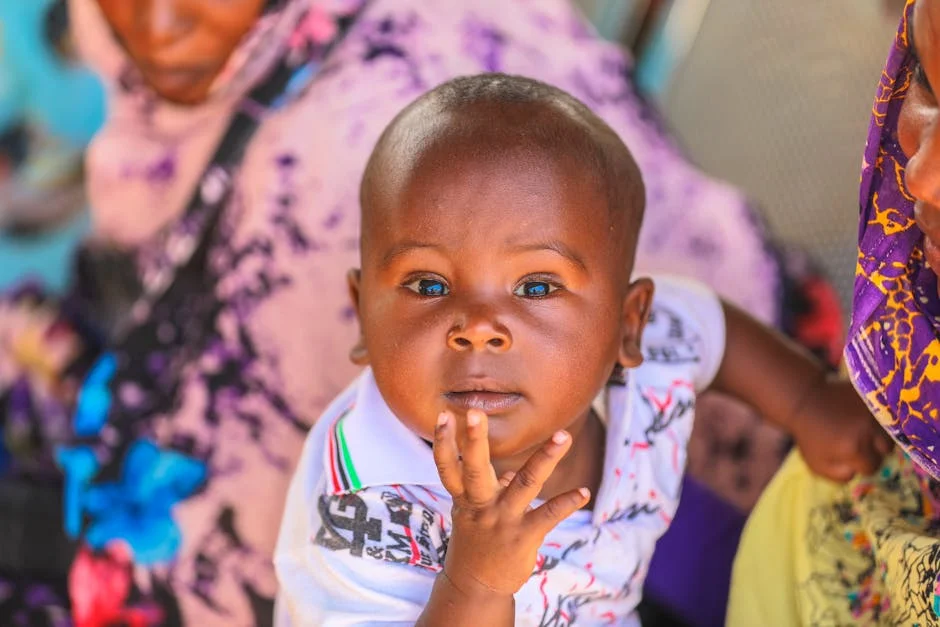
The health system in South Sudan is on the brink of collapse, with a lack of essential services exacerbated by the ongoing conflict. Diseases such as cholera and malaria are rampant, and malnutrition rates are alarmingly high among children. The lack of medical facilities and trained personnel severely hampers efforts to tackle these health issues. This crisis underscores the urgent need for effective governance and investment in the health sector, as outlined in the African Union's Agenda 2063.
Education in Jeopardy: Lost Generations
The education sector in South Sudan is also in turmoil, with over 2 million children out of school. Armed conflict has led to the destruction of schools and the disruption of educational programmes. The inability to provide quality education will have long-term implications for the nation’s development, hindering economic growth and social stability. International aid organisations are calling for increased funding to rebuild the educational infrastructure and provide learning opportunities for the youth.
Governance Challenges: A Need for Stability
The governance structure in South Sudan has been marred by corruption and inefficiency, which has hindered the country’s ability to address these humanitarian challenges effectively. Political tensions continue to pose significant barriers to peace and development. The transitional government needs to prioritise transparency and accountability to regain the trust of the citizens and the international community. This highlights a crucial opportunity for reform that could align with the African development goals.
International Response: Calls for Action
The international community has been urged to take swift action to address the crisis in South Sudan. Humanitarian organisations are seeking increased funding to provide essential services and support to the affected populations. The situation requires a coordinated approach to foster peace and stability, which are vital for the nation’s development. As South Sudan continues to grapple with these challenges, the need for a comprehensive strategy that includes infrastructure development, health investment, and educational reform is more pressing than ever.
Looking Ahead: Opportunities for Collaborative Development
While the challenges are immense, there are opportunities for collaboration within Africa and beyond. Regional partnerships can play a significant role in stabilising South Sudan and supporting its development goals. By investing in infrastructure, health, and education, South Sudan can begin to rebuild and work towards a more prosperous future. The situation remains dire, but with concerted efforts, a brighter path may emerge for the nation.