Kesha has publicly condemned Donald Trump for featuring her song "Blow" in a controversial video promoting military action. The pop star took to social media on Thursday to voice her disapproval, emphasising that her music should not be associated with violence or warfare. This incident raises significant questions about the role of music in political contexts and the implications for the artists involved.
Kesha's Response Sparks Debate on Artistic Ownership
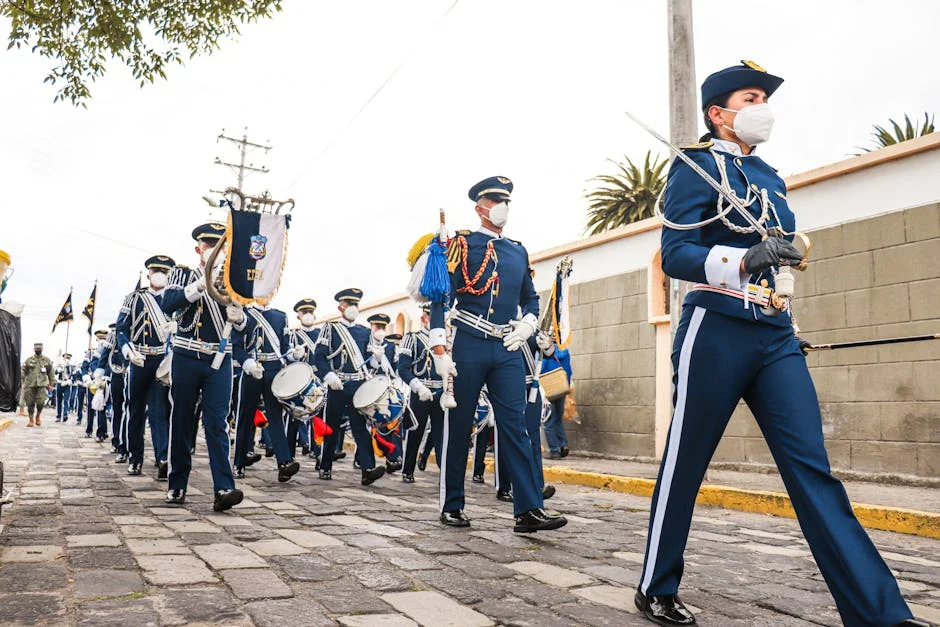
Kesha's criticism comes in light of Trump’s recent video, which uses her upbeat anthem to create a jarring contrast against images of military might. The singer expressed her feelings through a series of tweets, stating, "I do not endorse this message or the use of my music in this way." This incident has ignited a broader conversation about the ownership of artistic work and how it can be utilised without the creator's consent.
Why This Matters: The Intersection of Culture and Politics
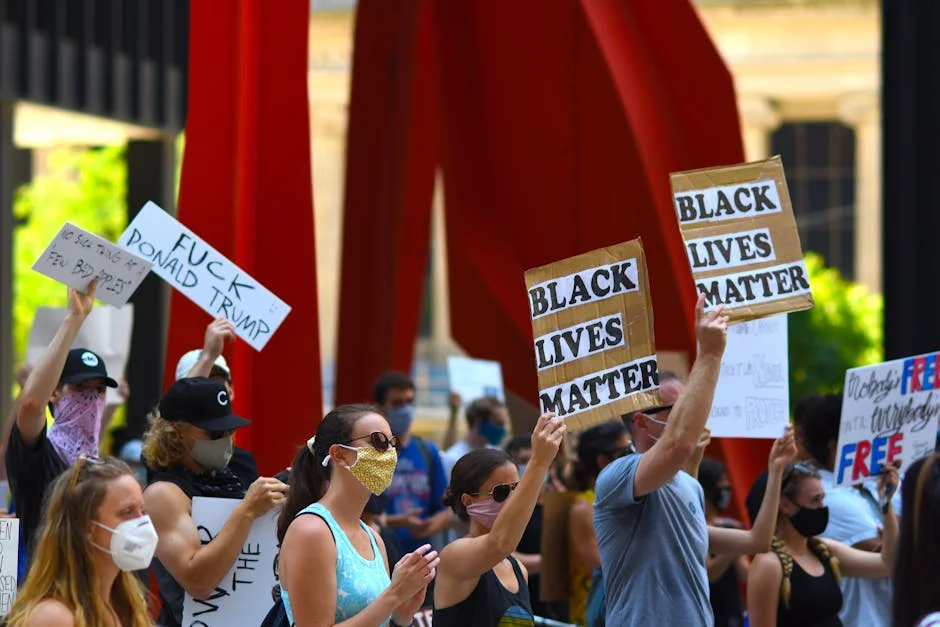
The use of Kesha's song in a militaristic context highlights an ongoing tension in contemporary society where culture and politics collide. As African nations strive to foster their cultural identities while navigating complex political landscapes, understanding these intersections becomes vital. Artists are often at the forefront of social movements, and their work can be both a reflection of societal values and a tool for change.
Implications for African Artists and Political Messaging
This incident serves as a cautionary tale for African artists who may find their work co-opted by political figures. In many African countries, art and music play crucial roles in shaping public discourse and can be powerful vehicles for advocacy. However, the potential for misrepresentation or misuse looms large, particularly in politically charged environments.
Continental Challenges: The Need for Safeguards
As African nations grapple with governance issues and strive for economic growth, the integrity of cultural expressions must be protected. Establishing frameworks that allow artists to retain control over their work is essential. This not only ensures that their messages are conveyed accurately but also that they are not unwittingly associated with agendas that conflict with their values.
Future Developments to Watch
As the debate continues, observers should keep an eye on how artists globally respond to political appropriations of their work. Moreover, the evolving relationship between governance and cultural expression in Africa will be critical to watch. Strengthening policies that protect artists’ rights can create more opportunities for collaboration and growth while ensuring that creative voices are respected in the political arena.