In a significant escalation of conflict, drones have intensified attacks on the gold and oil-rich Kordofan region of Sudan, raising alarms over the implications for regional stability and economic growth. This development comes amid ongoing clashes between rival factions seeking control over valuable resources, with reports confirming airstrikes in the area over the past week.
Intensified Drone Attacks in Kordofan
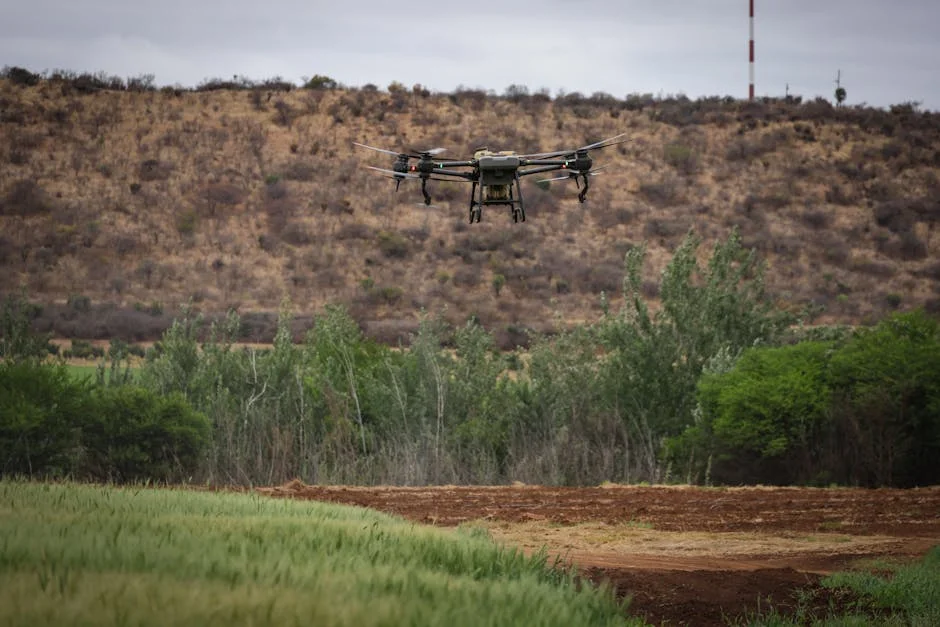
The Sudanese armed forces have reportedly deployed drones to target rebel positions in Kordofan, marking a pivotal shift in their military strategy. The region is known for its vast mineral wealth, including gold mines that have attracted interest from various groups. Local reports indicate that these drone strikes have resulted in significant casualties among rebel forces, fuelling an already volatile situation.
The Strategic Importance of Kordofan
Kordofan's geographical position makes it a strategic asset in Sudan's ongoing conflict. The region not only houses substantial gold reserves but also oil fields that are crucial for Sudan’s economy. According to the Sudanese Ministry of Minerals, the gold production from Kordofan alone accounts for nearly 50% of the country's total output, highlighting why control over this territory is fiercely contested.
Impact on Regional Development Goals
The intensifying conflict in Kordofan poses serious challenges to African development goals, particularly in terms of governance and economic stability. As regional powers like Nigeria strive to improve infrastructure and enhance economic growth, the instability in Sudan threatens to derail progress. The ongoing violence may deter foreign investment and disrupt supply chains, which could have ripple effects across the continent.
The Broader Implications for Africa
For Nigeria, which has made strides towards developing its own mineral sector, the situation in Kordofan serves as a cautionary tale. Experts warn that similar conflicts over resources could arise if governance and regulatory frameworks are not strengthened. The African Union has called for more robust mechanisms to address such conflicts, suggesting that the instability in Sudan may serve as a wake-up call for other nations grappling with resource management.
What to Watch For Next
As drone warfare escalates, observers are keenly watching for potential shifts in alliances and the emergence of new players in the conflict. The international community's response will also be critical, as calls for humanitarian aid grow louder amidst reports of civilian casualties. For countries like Nigeria, the situation presents an opportunity to reflect on their own resource management practices and governance structures, ensuring that they do not fall victim to similar conflicts in the future.