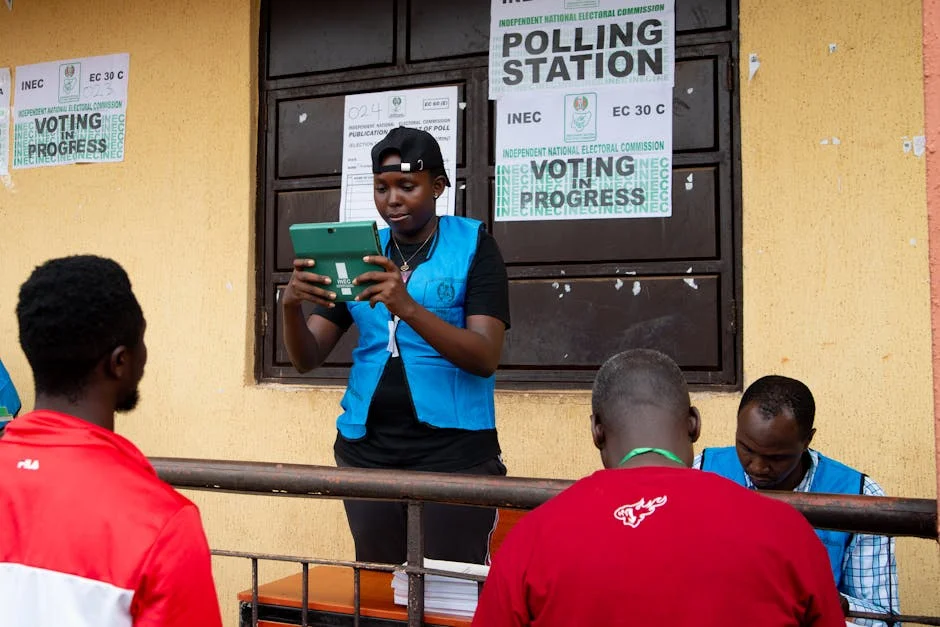
In a pressing call to action, Yiaga Africa has urged the National Assembly (NASS) to release the Tinubu-signed Electoral Act 2026, emphasising the urgency of electoral reforms in Nigeria. This appeal comes in the wake of rising concerns regarding governance and electoral integrity in the country.
Understanding the Role of NASS in Nigerian Governance
The National Assembly (NASS) serves as the legislative arm of Nigeria's government, playing a crucial role in shaping policies that affect the nation's socio-economic development. Comprised of the Senate and the House of Representatives, NASS is responsible for debating and passing laws, including vital electoral reforms. Recent developments, particularly the delay in releasing the Electoral Act 2026, have sparked widespread criticism, highlighting the Assembly's impact on governance and political stability.

Why the Electoral Act Matters for Nigeria's Future
The Electoral Act 2026 is poised to introduce significant changes to Nigeria's electoral processes, aiming to enhance transparency and accountability. By addressing longstanding issues such as voter suppression and electoral fraud, the Act could restore public confidence in the democratic process. For a nation grappling with governance challenges, the timely implementation of this Act is essential for fostering a stable political environment, crucial for economic growth and development.
Yiaga Africa's Call for Immediate Action
Yiaga Africa, a prominent non-governmental organisation focused on promoting democratic governance, has been vocal about the critical need for electoral reforms. In their recent statement, they emphasised that the delay in the release of the Tinubu-signed Electoral Act undermines the democratic aspirations of Nigerians. They argue that without necessary reforms, Nigeria's political landscape remains vulnerable to manipulation, further exacerbating issues of governance and public trust.
Continental Implications of Nigeria's Electoral Reforms
Nigeria's electoral reforms carry significant weight beyond its borders, impacting broader African development goals. As the continent seeks to enhance democratic governance and economic stability, Nigeria's example could either serve as a beacon of hope or a cautionary tale. A successful implementation of the Electoral Act could inspire similar reforms across the region, promoting a culture of accountability and transparency that fosters economic growth and improved governance.
What’s Next for Nigeria and the NASS?
The coming weeks will be critical as the National Assembly faces mounting pressure to act on the Electoral Act 2026. Stakeholders, including civil society organisations and political analysts, are closely monitoring the situation, advocating for transparency in the legislative process. The future of Nigeria's governance and its ability to meet development goals hinges upon the actions of NASS in the near term. As citizens await the release of the Electoral Act, the spotlight remains firmly on the need for responsible leadership and decisive action.