The Sahel region of Africa is witnessing a disturbing rise in kidnapping incidents, particularly targeting foreign nationals. This alarming trend, which has escalated over the past year, poses significant challenges to the region's already fragile security landscape and threatens ongoing development efforts.
The Rising Tide of Kidnappings
In 2023 alone, reports indicate that kidnappings in the Sahel have increased by over 50%, with various terrorist groups capitalising on the chaos stemming from political instability and weak governance. Countries like Mali, Niger, and Burkina Faso have become hotspots for such incidents, with foreign aid workers and tourists often targeted for ransom. The most recent high-profile case involved the abduction of a French humanitarian worker in northern Burkina Faso, highlighting the growing risks in the area.
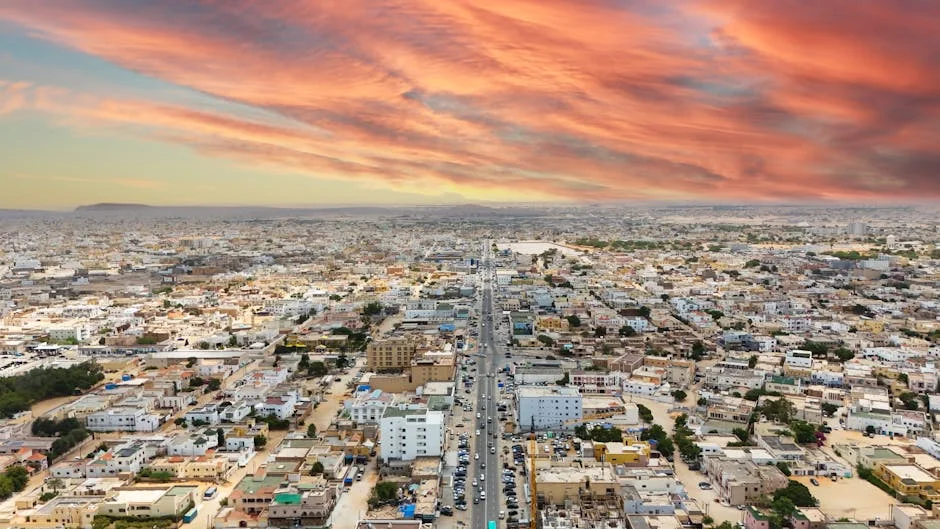
The Sahel: A Region in Crisis
The Sahel, a semi-arid region stretching from the Atlantic Ocean to the Red Sea, is afflicted by numerous challenges, including poverty, food insecurity, and climate change. The surge in kidnappings exacerbates these issues, as it deters foreign investment and hampers developmental initiatives aimed at improving infrastructure, health, and education. With over 60% of the population living on less than $1.90 a day, the ramifications of these kidnappings extend far beyond individual tragedies, impacting entire communities.
Impact on African Development Goals
As African nations strive to meet the United Nations Sustainable Development Goals (SDGs), the rise in kidnappings in the Sahel presents a direct threat to progress. Goal 16, which promotes peace, justice, and strong institutions, is particularly relevant here. With security concerns escalating, resources that could be allocated for health and education are being redirected towards military and security measures. This shift not only undermines developmental priorities but also perpetuates a cycle of violence and instability.
Kidnapping's Economic Consequences
The economic implications of escalating kidnappings are profound. Foreign investment, crucial for economic growth and infrastructure development, is likely to dwindle in the face of rising insecurity. For example, Nigeria, which shares borders with some Sahelian countries, has already experienced a downturn in tourism and foreign direct investment due to similar security issues. If the trend continues, regional countries may face increased economic isolation, further complicating their development goals.
Governance Challenges and Opportunities
Weak governance structures in the Sahel have contributed significantly to the rise of kidnapping as a lucrative enterprise for extremist groups. The lack of effective law enforcement and a judicial system that can uphold justice makes these regions vulnerable to criminal activities. However, this crisis also presents an opportunity for pan-African cooperation. Regional bodies like the African Union and ECOWAS can play a pivotal role in fostering collaborative security initiatives that not only target kidnappers but also address the root causes of instability, such as poverty and lack of education.
What Lies Ahead for the Sahel?
The future of the Sahel hinges on the ability of African nations to tackle these complex challenges. As the international community looks on, the urgency for a coordinated response to the kidnapping epidemic is paramount. By investing in security, improving governance, and fostering economic opportunities, the Sahel can aspire to not only reduce kidnapping incidents but also enhance overall stability and development. As we monitor the evolving situation, it will be essential to advocate for holistic solutions that align with Africa's broader development goals, ensuring that the Sahel is not left behind in the quest for progress.