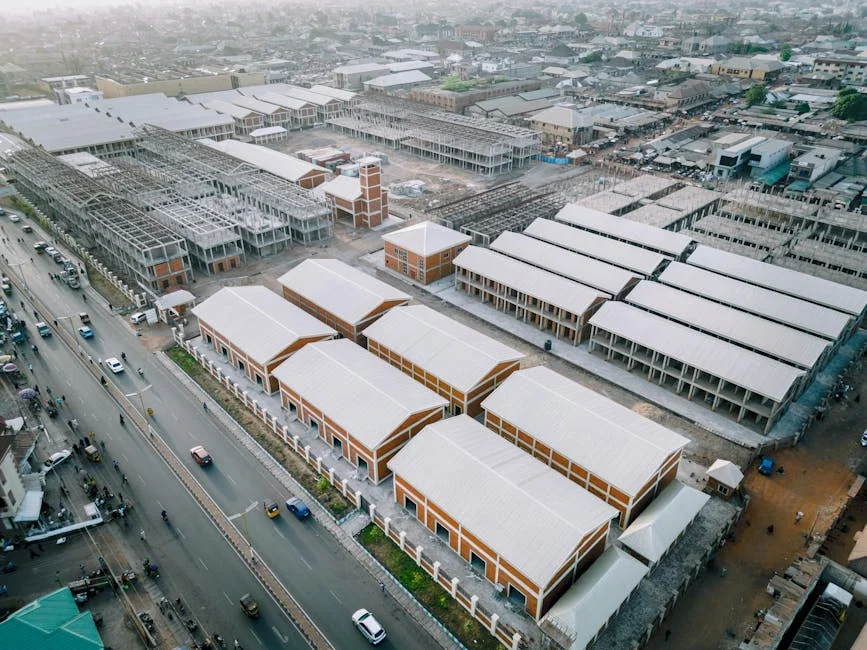
In a notable development, Pedro Pinto has launched a new initiative aimed at boosting Nigeria's infrastructure and education sectors. This initiative, announced on October 15, 2023, in Lagos, seeks to address critical gaps that hinder the nation's growth and aligns closely with the African Union's Agenda 2063.
Improving Nigeria's Infrastructure Through Strategic Investment
Pedro Pinto's latest news highlights his commitment to fostering robust infrastructure development in Nigeria. His initiative plans to channel significant investments into roads, transportation networks, and energy projects. With a projected budget of $500 million over the next three years, this project aims to enhance connectivity and accessibility, crucial for economic expansion.

Nigeria, with its population exceeding 200 million, faces severe infrastructure deficits that have stifled growth. According to the World Bank, inadequate infrastructure costs the country about 2% of its GDP annually. Pinto's efforts aim to alleviate this burden by creating jobs and facilitating trade, thereby contributing to sustainable economic growth.
Education as a Foundation for Progress
Alongside infrastructure, the initiative places a strong emphasis on education. Pedro Pinto has announced plans to establish several vocational training centres across Nigeria, focusing on equipping young people with skills necessary for the modern job market. This is particularly relevant in a country where youth unemployment rates hover around 30%.
Pinto stated, “Investing in education is investing in the future of Nigeria. Our youth are our greatest asset, and we must equip them with the necessary skills to thrive.” This approach not only supports individual aspirations but also aligns with the African Union's goals of promoting quality education and lifelong learning opportunities for all.
Health Sector Improvements: A Vital Component
Recognising the integral role of health in development, Pedro Pinto's initiative also includes plans to enhance healthcare infrastructure. This involves the construction of new health facilities and upgrading existing ones, especially in rural areas where access to quality healthcare remains a challenge.
According to the Nigerian Ministry of Health, about 50% of the population lacks access to essential health services, which has wide-ranging implications for productivity and economic growth. By addressing these healthcare gaps, Pinto’s initiative aims to improve the overall health outcomes of the population, thus enhancing the workforce’s capacity.
Governance and Economic Growth: Ensuring Accountability
Pinto's initiative also underscores the importance of governance and accountability in driving development. By establishing partnerships with local governments and stakeholders, the programme aims to ensure transparency and effective implementation of projects. This is crucial in a nation where corruption has often impeded progress and eroded public trust.
Economic growth is not merely about numbers; it relies heavily on the integrity of systems and institutions. Pinto emphasised, “For any initiative to succeed, it must be rooted in good governance. We are committed to working closely with Nigerian authorities to ensure that resources are used effectively and transparently.”
Looking Ahead: The Road to Sustainable Development
As Pedro Pinto’s initiative unfolds, it presents an opportunity for Nigeria to address its development challenges head-on. The focus on infrastructure, education, health, and governance aligns with the broader objectives of the African Union and the United Nations Sustainable Development Goals.
Stakeholders are encouraged to monitor the progress of this initiative closely, as successful implementation could provide a blueprint for similar efforts across the continent. The upcoming months will be critical in determining how effectively these ambitious plans can translate into tangible improvements for the Nigerian populace.