Amidst the vibrant colours of traditional attire and the sounds of jubilant laughter, Nigeria's annual fishing festival celebrated its 15th edition last weekend in the coastal town of Lekki. This event not only showcases the rich cultural heritage of the Nigerian people but also highlights the significant role of fisheries in the country’s economic framework.
Festival Highlights: A Celebration of Community and Culture
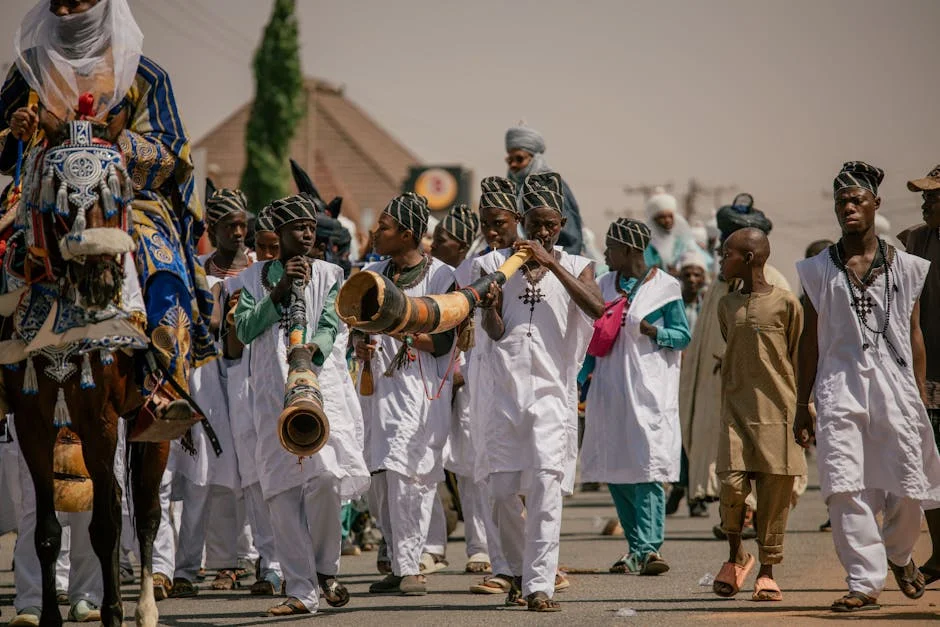
The fishing festival, which took place over three days from October 20 to 22, 2023, attracted thousands of visitors from across Nigeria and beyond. Local fishermen displayed their catches, ranging from tilapia to catfish, while various competitions, including boat races and fishing contests, captivated the audience. The event was marked by traditional music performances and culinary showcases, with a focus on fish-based dishes, reflecting the community's commitment to preserving its cultural identity.
Economic Opportunities in Nigerian Fisheries
Fisheries are a crucial component of Nigeria's economy, contributing significantly to food security and employment. According to the Food and Agriculture Organization (FAO), Nigeria has one of the largest fisheries sectors in Africa, with over 10 million people relying on fishing for their livelihoods. This festival serves as a reminder of the untapped potential of the fishing industry, which, if properly harnessed, could play a pivotal role in achieving broader African development goals, such as reducing poverty and enhancing food security.
Infrastructure Development: Key to Sustainable Fishing
However, challenges remain. Many local fishermen face issues such as inadequate infrastructure and limited access to markets. The Nigerian government has been urged to invest in better infrastructure, including fish processing facilities and transportation networks, to help local fishermen maximise their profits and reduce post-harvest losses. This investment aligns with the African Union's Agenda 2063, which emphasises the need for improved infrastructure as a means to foster economic growth and development across the continent.
Health and Nutrition: The Unsung Benefits of Fishing
Besides economic benefits, the fishing industry has crucial implications for health and nutrition in Nigeria. With a large portion of the population relying on fish as a primary protein source, promoting sustainable fishing practices can lead to better health outcomes. The festival not only raises awareness about the nutritional value of fish but also encourages young people to consider careers in the fishing sector, promoting a healthier generation.
Governance and Sustainability: The Way Forward
As the Nigerian fishing festival draws attention to the local fishing industry, it also highlights the need for better governance and sustainable practices. Overfishing and illegal fishing remain significant threats to the sustainability of fish stocks. Stakeholders must work together to implement regulations that protect marine resources while ensuring that local communities can thrive. This collaborative approach is essential for fostering long-term economic growth and aligning with the Sustainable Development Goals set by the United Nations.
Looking Ahead: What’s Next for Nigeria’s Fishing Industry?
As the festival concluded, discussions surrounding the future of Nigeria's fishing industry gained momentum. Observers noted that increased public and private investment in the sector could lead to enhanced productivity and sustainability. Stakeholders are encouraged to take advantage of the enthusiasm generated by the festival to advocate for policy changes that support fishers and preserve the environment. The success of this event not only serves as a cultural landmark but also as a catalyst for economic and social development in Nigeria.