In a significant crackdown on drug trafficking, Portuguese police recently apprehended a man at Lisbon Airport who was allegedly transporting over two kilograms of cocaine, originating from Brazil. This incident, which occurred on October 20, 2023, highlights the ongoing struggle against drug smuggling and its implications for international security and development.
Lisbon Airport: A Gateway for Drug Traffickers
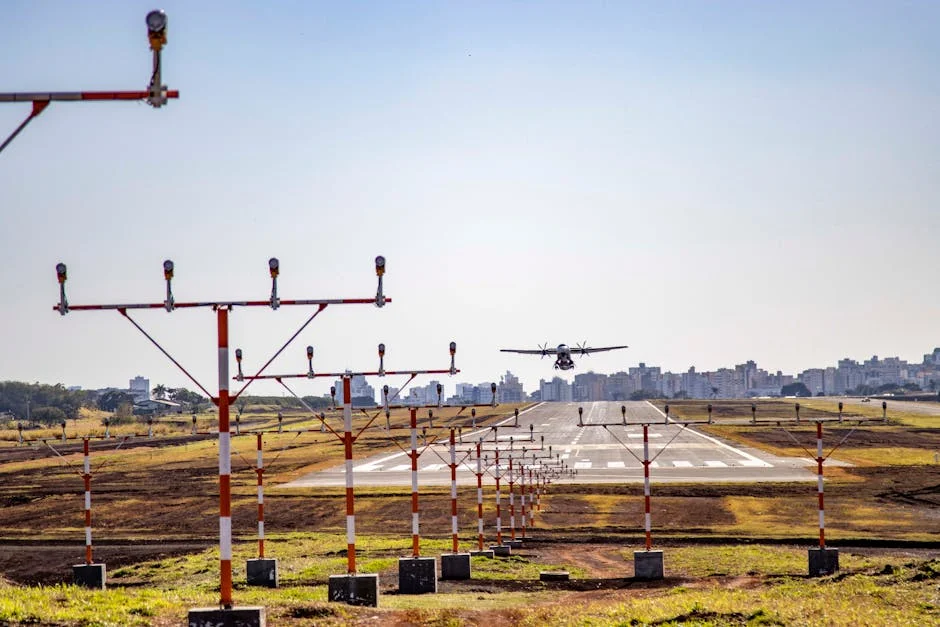
Lisbon Airport, a major European transit hub, has increasingly become a focal point for drug trafficking routes from South America to Europe. The recent arrest of a Brazilian national raised questions around security measures in place and the extent to which airports facilitate global drug trade. With Lisbon connecting various continents, this incident reflects the growing complexities of international drug trafficking networks.
Brazil's Role in the Global Drug Trade
Brazil, known for its vast geography and porous borders, has emerged as a significant source of cocaine. The country’s challenges with drug production and trafficking are exacerbated by socio-economic factors such as poverty and lack of education. As Brazil continues to grapple with these issues, the international community, including African nations, must observe how these dynamics affect global drug policies and economic stability.
Implications for African Development Goals
The intersection of drug trafficking and development challenges is particularly relevant for African countries. Many African nations are striving to achieve the United Nations Sustainable Development Goals (SDGs), which include promoting health and well-being, ensuring quality education, and fostering economic growth. The prevalence of drug trafficking can undermine these goals by perpetuating violence, corruption, and social instability.
Opportunities for Collaboration and Governance
As drug trafficking continues to pose significant obstacles to development, it also presents opportunities for African nations to collaborate with global partners. Enhanced governance and effective law enforcement strategies can be developed through international cooperation. For instance, African countries can learn from Portugal's strategies in airport security and drug enforcement, tailoring these practices to their unique contexts to combat similar challenges.
What’s Next for Nigeria and Africa?
With Nigeria experiencing its own struggles with drug trafficking and related health crises, the recent event at Lisbon Airport serves as a wake-up call. The Nigerian government must continue to strengthen its enforcement policies and seek international partnerships to address drug-related issues. The relationship between Brazil and Nigeria, particularly in terms of trade and security, will be crucial in tackling these challenges. Moving forward, stakeholders must monitor how developments in airports like Lisbon impact drug trafficking routes and the broader implications for African economies and governance.