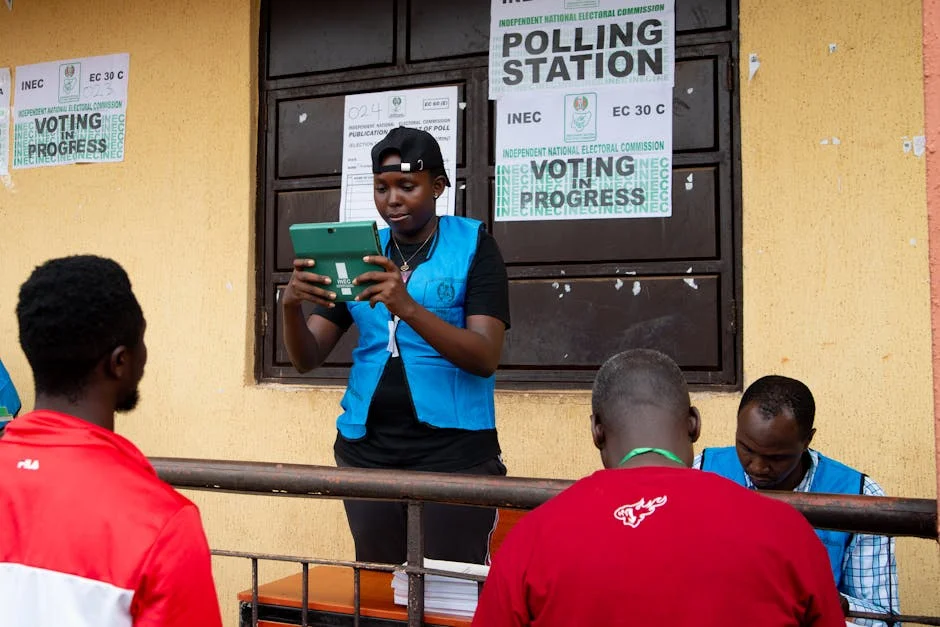
In a significant shift affecting trade relations, the United States has imposed tariffs that threaten the African Growth and Opportunity Act (AGOA) benefits, crucial for several African economies. This development, which has unfolded over the past year, raises serious concerns for African nations dependent on duty-free access to the US market.
AGOA: A Pillar of African Trade
The African Growth and Opportunity Act, enacted in 2000, provides eligible sub-Saharan African countries with duty-free access to a range of US goods. The intent was to stimulate economic growth, promote development, and encourage democratic governance. However, recent tariffs introduced by the Trump administration have severely undermined this promise, impacting countries that rely heavily on exports to the United States.
Tariffs Impacting Key Industries
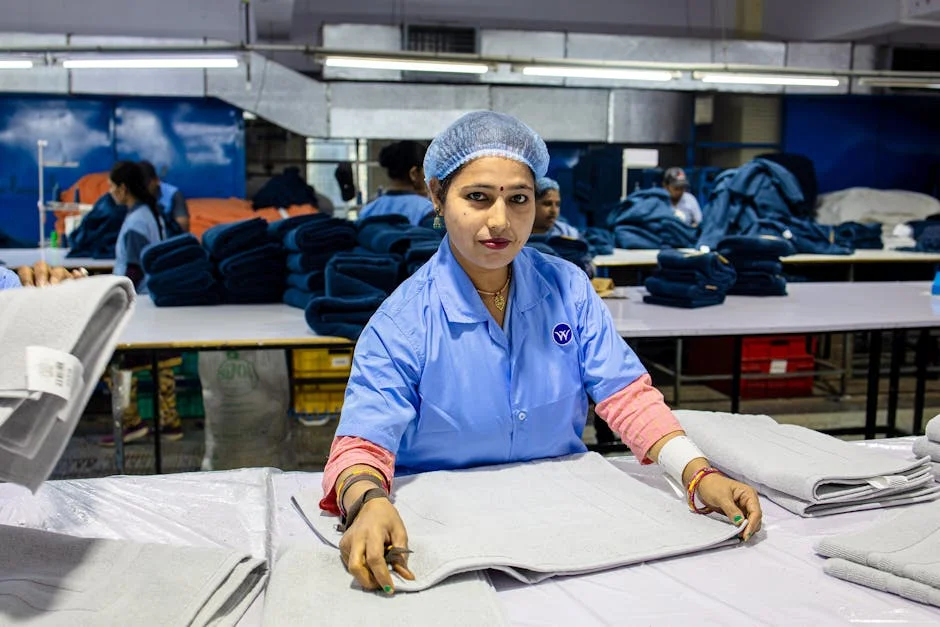
As revealed by Our Model Shows How, the imposition of tariffs directly affects key sectors such as textiles and agricultural products. For instance, Nigeria, one of the largest beneficiaries of AGOA, has seen a decline in its exports due to escalated costs associated with these tariffs. In 2022, Nigeria's textile industry, which employs thousands, reported a 30% drop in exports to the US, posing a threat to both economic stability and job security.
Understanding the Economic Ripple Effect
The consequences are far-reaching. The reduced export capacity not only threatens individual livelihoods but also hampers broader economic growth objectives outlined in the African Union's Agenda 2063. With Africa striving to enhance intra-continental trade, the weakening of AGOA represents a significant challenge to realising these goals.
Political Ramifications and Future Prospects
The political implications of AGOA's degradation cannot be overlooked. Several African leaders have expressed their frustration, claiming that the US's move contradicts its commitment to fostering economic partnerships based on mutual benefit. This has prompted calls for renewed negotiations to reassess the terms of trade under AGOA, with a focus on ensuring that African countries are not left behind in the global trade landscape.
Continental Opportunities Amidst Challenges
Despite the challenges posed by US tariffs, there exists a silver lining for African nations. The situation has prompted discussions around diversifying trade relationships beyond traditional partners. Countries are exploring opportunities within the African Continental Free Trade Area (AfCFTA) to bolster intra-African trade. This pivot could mitigate the adverse effects of external tariffs and encourage more resilient economic frameworks.
The Role of Governance in Economic Resilience
Effective governance will be paramount in navigating these turbulent waters. African countries must enhance their regulatory frameworks to attract investments, improve infrastructure, and boost education and health sectors. By ensuring good governance, nations can create an enabling environment for economic growth that is less susceptible to external shocks.
As developments unfold, stakeholders in Africa must keep a close watch on how the AGOA situation evolves and the potential negotiations that could reshape trade dynamics. The path forward will require a collective effort to reinforce regional partnerships and seek alternative markets while advocating for fair trade practices that align with African development goals.