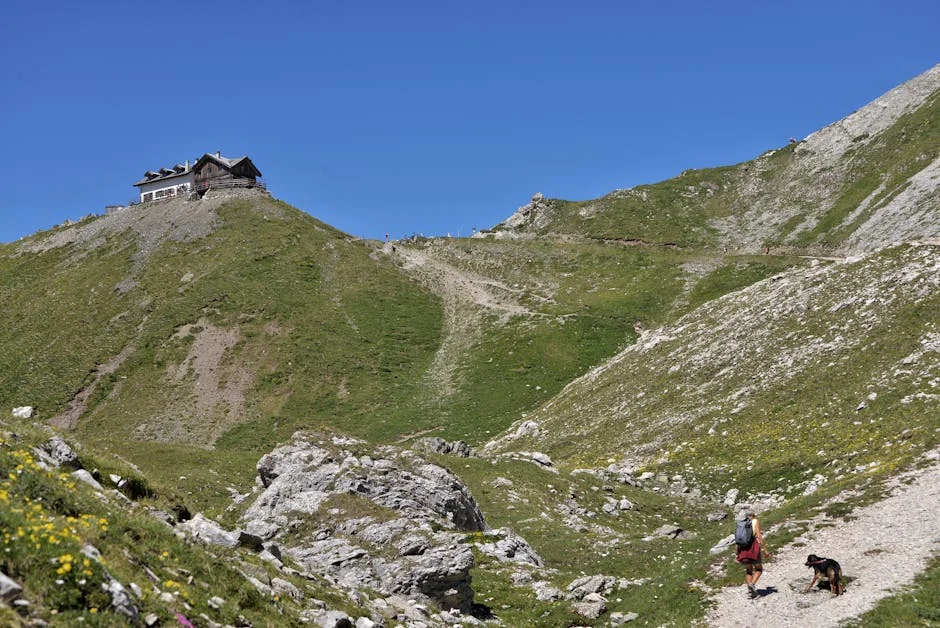
The Tour du Rwanda 2026 reached its thrilling finale on 12th March 2026, where German cyclist Max Kretschy secured victory, marking a significant event in African sports. The race, celebrated for its breathtaking scenery and challenging routes, unfolded in Rwanda, a nation increasingly recognised for its commitment to sports tourism and development.
Rwanda’s Growing Role in Global Sports
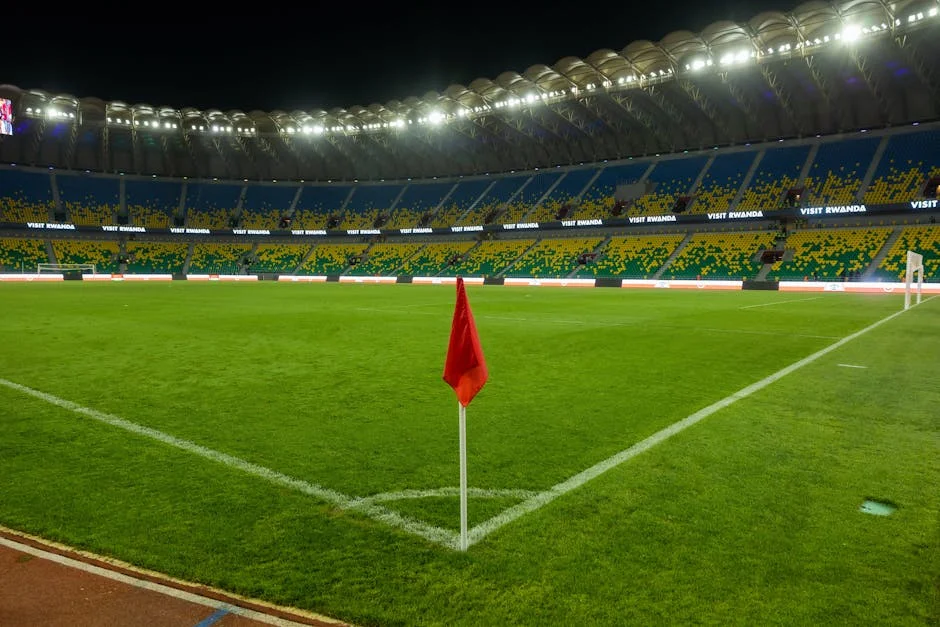
As the Tour du Rwanda draws international competitors and spectators alike, the event underscores Rwanda's ambition to position itself as a central hub for sports in Africa. The country has invested heavily in infrastructure, including the development of world-class cycling routes and facilities. This investment not only promotes athletic excellence but also boosts local economies through increased tourism.
Kretschy’s Victory: A Symbol of African Opportunity
Kretschy's win is more than just a personal achievement; it reflects the potential of African nations to host high-profile sporting events that attract global attention. Rwanda's efforts in promoting cycling, alongside its efforts in health and education, create a platform for youth engagement and empowerment. As Kretschy rode through the picturesque landscapes, he became a part of a larger narrative of African development, showcasing the continent’s unique opportunities and resilience.
Challenges Faced by African Nations in Sports Development
Despite the successes showcased by events like the Tour du Rwanda, African nations continue to grapple with challenges such as inadequate infrastructure and funding shortages. These issues often hinder the ability to sustain sports programmes and limit opportunities for local athletes. However, Rwanda's proactive approach offers a model for other African countries, illustrating how strategic investment can lead to significant returns in health, economic growth, and international visibility.
The Intersection of Sports, Governance, and Economic Growth
Rwanda's governance model has played a crucial role in its development trajectory. With a focus on transparency and accountability, the government has successfully harnessed sport as a catalyst for development. Events like the Tour du Rwanda not only promote physical health but are also strategically aligned with broader national goals such as economic diversification and youth empowerment. As the country continues to leverage its sporting events, the lessons learned can serve as a blueprint for Nigeria and other African nations seeking to enhance their own developmental goals.
Looking Ahead: Tourism and Economic Prospects
Following the success of the Tour du Rwanda, attention turns to its implications for future tourism and economic prospects in the region. The race has drawn international media coverage and sponsorship, which could lead to increased investment in local businesses. As Rwanda showcases its potential on the world stage, it raises important questions about how countries like Nigeria can learn from these initiatives to bolster their own economic growth through sports and tourism.