As tensions rise in the Tigray region of Ethiopia, the world watches closely to see whether the country is on the brink of returning to conflict. This escalation, marked by reports of violence and troop movements, poses significant implications for regional stability and broader African development goals.
Renewed Violence and Its Implications
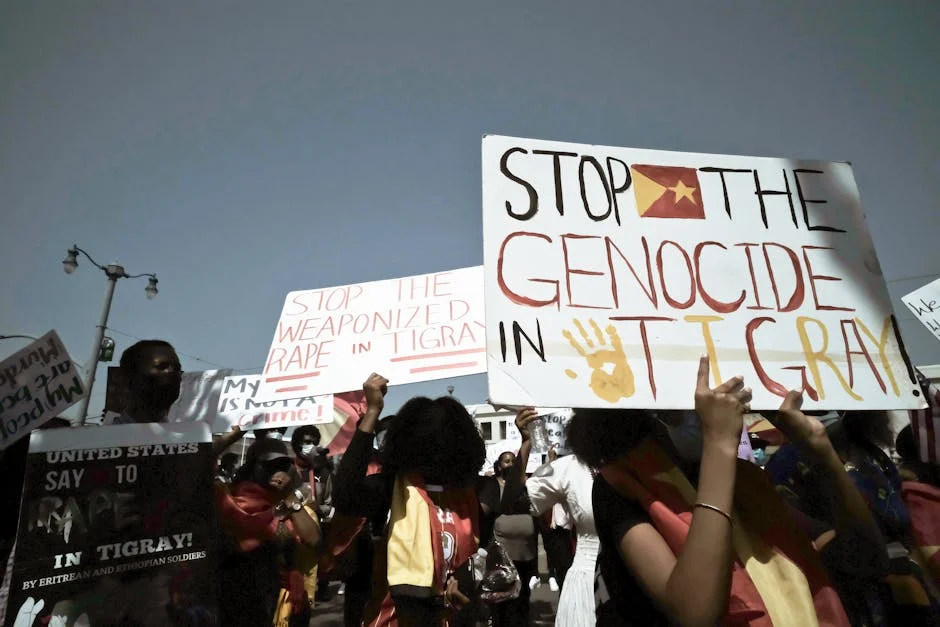
Reports emerging from Ethiopia indicate that skirmishes and military activities have intensified in Tigray since late 2023. Local sources claim that armed clashes between the Ethiopian military and Tigray People's Liberation Front (TPLF) fighters have resumed, raising fears of a full-blown conflict similar to the civil war that devastated the region from late 2020 to late 2022. The conflict has already resulted in significant humanitarian crises, with millions displaced and critical infrastructure heavily damaged.
Historical Context of the Tigray Conflict
The Tigray conflict began in November 2020 when the Ethiopian government launched a military offensive against the TPLF. This brutal conflict led to widespread famine, severe human rights abuses, and the disruption of essential services like health and education. The peace deal in late 2022 brought a temporary reprieve but the recent resurgence of violence suggests that underlying issues remain unresolved.
How Conflict in Ethiopia Affects Broader African Development Goals
Continental challenges in Africa often become exacerbated by conflicts such as that in Tigray. The African Union’s Agenda 2063 aims for a prosperous Africa based on inclusive growth and sustainable development, yet such conflicts threaten these objectives. In particular, Ethiopia’s instability impacts the Horn of Africa, a region already struggling with issues related to governance, health, and economic growth.
Implications for Nigeria and Regional Stability
As one of Africa's largest economies, Nigeria stands to be affected by the implications of renewed conflict in Ethiopia. Increased instability in the region could lead to a surge in migration as people flee violence, putting additional pressure on Nigeria's already strained resources. Moreover, trade routes could be disrupted, affecting economic prospects and potentially leading to increased commodity prices.
Economic Ramifications
The economic impact of Ethiopia's conflict is not limited to Nigeria; it reverberates across the continent. Regional supply chains for essential goods, particularly in agriculture and manufacturing, could suffer if instability persists. A decline in Ethiopian exports could lead to higher prices for commodities in Nigeria and beyond, hindering economic growth and development.
What’s Next for Ethiopia and Africa?
As stakeholders in Africa watch the unfolding situation in Ethiopia, the urgent need for dialogue and conflict resolution becomes increasingly clear. The African Union, alongside international partners, must engage in proactive diplomacy to prevent further escalation. The stakes are high: the future of development across the continent hangs in the balance, and the consequences of inaction could be dire.
Call for Governance Reforms
For Ethiopia to move beyond the cycle of violence, substantial reforms are needed in governance, healthcare, and education systems. Investing in infrastructure and social services will be critical to addressing the root causes of conflict and fostering an environment conducive to peace and development.
The question remains: will Ethiopia find a path towards lasting peace, or will it spiral back into conflict? As we look forward, it is essential to stay informed and engaged, recognising that what happens in Ethiopia can significantly influence Nigeria and the broader African landscape.