When American dentist Walter Palmer killed Cecil the Lion in Zimbabwe in 2015, it sparked global outrage and highlighted the complexities of wildlife conservation in Africa. This incident raised critical questions about the ethics of trophy hunting, the impact of such practices on conservation efforts, and the broader implications for African development goals concerning biodiversity and tourism.
Public Backlash and Global Repercussions
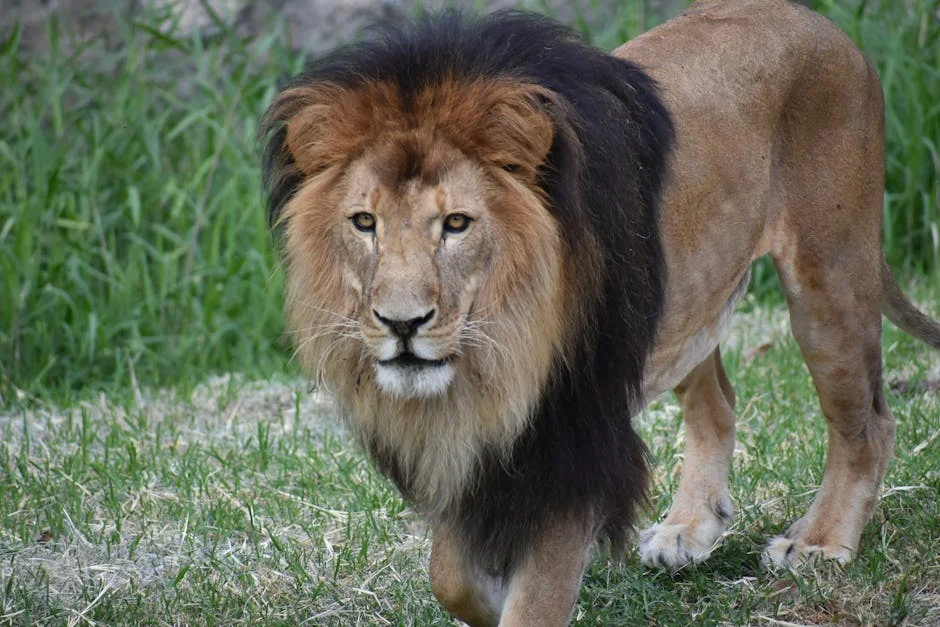
Cecil, a beloved lion in Hwange National Park, was lured out of the protected area and shot by Palmer, igniting protests worldwide. The incident led to significant public outcry, with millions calling for action against trophy hunting. Various petitions emerged, demanding bans on the practice, which many view as both cruel and detrimental to conservation efforts.
The Economic Impact on African Development
The killing of Cecil the Lion serves as a stark reminder of the ongoing conflict between economic aspirations and conservation efforts in Africa. Trophy hunting is often defended as a means of generating revenue for local communities, but the backlash against Cecil's death has raised questions about the sustainability of this model. In countries like Zimbabwe, where wildlife tourism plays a crucial role in the economy, the incident could dissuade tourists, thus affecting local economies reliant on wildlife attractions.
Technological Advancements in Conservation Efforts
In response to such incidents, there has been a push towards using technology for wildlife conservation. Drones, satellite tracking, and camera traps are now being employed to monitor wildlife and prevent illegal poaching. The Lion technology update indicates a growing trend among African nations to adopt innovative tools to protect their natural heritage while balancing economic development. This reflects a shift in how African countries can leverage technology to meet development goals related to wildlife conservation.
Governance and Policy Challenges
The aftermath of Cecil's killing also underscores the governance challenges African nations face in enforcing wildlife protection laws. Corruption, poaching, and inadequate funding for conservation efforts continue to thwart progress. Addressing these challenges is critical for achieving broader African development goals. Countries like Nigeria, for instance, must grapple with similar issues regarding wildlife protection amidst economic pressures and resource allocation.
What Cecil's Legacy Means for Future Conservation
The legacy of Cecil the Lion is complex, intertwining issues of ethics, economics, and governance. As African nations strive to balance developmental needs with conservation, the global conversation around such incidents becomes increasingly relevant. The outrage over Cecil's death could serve as a catalyst for change, pushing for stronger policies and more sustainable practices that align with both economic growth and the preservation of Africa's unique biodiversity.
Moving forward, stakeholders must remain vigilant and engaged, ensuring that the lessons learned from Cecil's story contribute to more effective conservation strategies and better governance. The impact of such developments on countries like Nigeria and others in the region will be crucial in shaping the future of wildlife conservation across the continent.