On Wednesday, Finance Minister Enoch Godongwana announced that South Africa's debt has stabilised for the first time in 17 years, marking a significant achievement in the nation's economic recovery efforts. This milestone comes amidst ongoing challenges across the continent, wherein economic stability is crucial for sustainable development.
Debt Stabilisation: A Turning Point for South Africa
Finance Minister Enoch Godongwana revealed during a press conference that South Africa's public debt has stabilised at 77% of GDP, a notable reduction from previous highs. This declaration follows years of fiscal strain exacerbated by the COVID-19 pandemic, global inflation, and domestic economic challenges. The stabilisation was made possible through stringent fiscal policies, improved tax collection, and a commitment to reforming state-owned enterprises.
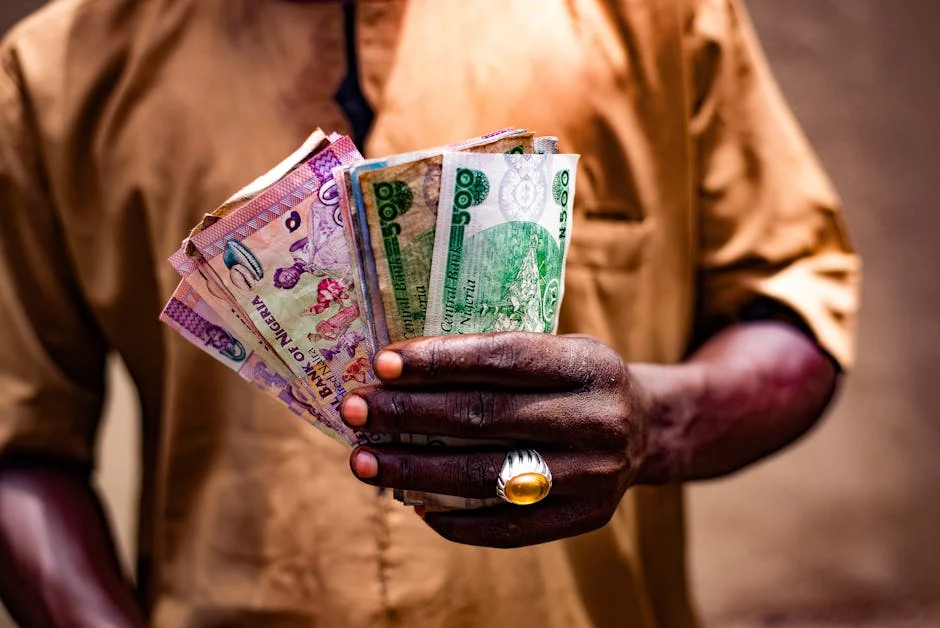
Implications for African Development Goals
This progress is significant not only for South Africa but also for Africa's broader development framework. The African Union has set ambitious targets for economic growth, infrastructure development, and poverty alleviation through the Agenda 2063 blueprint. South Africa's ability to manage its debt effectively can serve as a model for other nations struggling with fiscal challenges, particularly those in Nigeria and other West African countries facing similar economic pressures.
Governance and Economic Growth: The Link
Godongwana's announcement highlights an essential connection between sound governance and economic growth. Effective management of public finances often translates into increased investor confidence, which is crucial for attracting foreign direct investment. As South Africa stabilises its economy, it may encourage other African governments to adopt similar fiscal discipline, which could enhance governance across the continent. This is particularly relevant for Nigeria, where economic stability remains elusive amid high inflation and a fluctuating currency.
Infrastructure Development: Opportunities Ahead
With stabilised debt figures, South Africa can now turn its focus toward addressing critical infrastructure gaps. Improved infrastructure is vital for facilitating trade, enhancing productivity, and generating employment opportunities. As South Africa invests in roads, energy, and technology, it could potentially lift the economic prospects of neighbouring countries by strengthening regional trade networks.
Health and Education: Addressing Continental Challenges
Moreover, the stabilisation of debt opens up opportunities for increased investment in health and education, two sectors that are pivotal for African development. South Africa's renewed fiscal space could lead to enhanced public services, which are essential for building a skilled workforce and improving health outcomes. This is particularly pertinent, as many African nations grapple with health crises, which have been compounded by the pandemic.
Looking Ahead: What Comes Next?
The implications of Godongwana's announcement extend beyond South Africa's borders. As the economy stabilises, observers will be keenly watching how this impacts regional economies, particularly Nigeria. The relationship between the two countries is vital for economic collaboration in Africa. Godongwana's policies may serve as a benchmark for Nigeria to consider in its own economic strategy, especially regarding debt management and fiscal reforms.
In conclusion, South Africa's debt stabilisation not only signifies a positive turn for its economy but also presents opportunities for broader continental growth. As nations like Nigeria look to strengthen their economic foundations, the lessons gleaned from South Africa's experience may provide essential insights into achieving sustainable development across Africa.