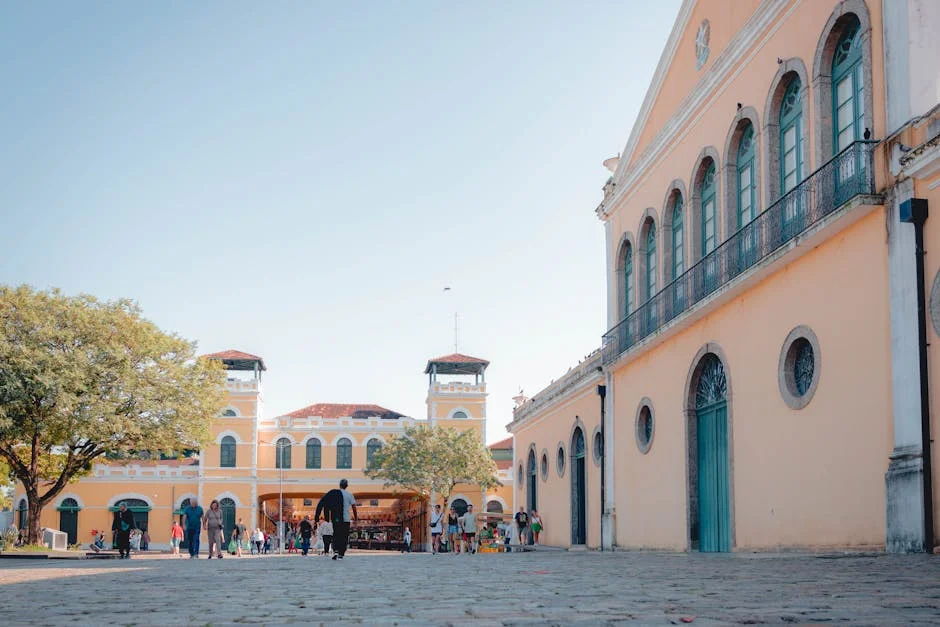
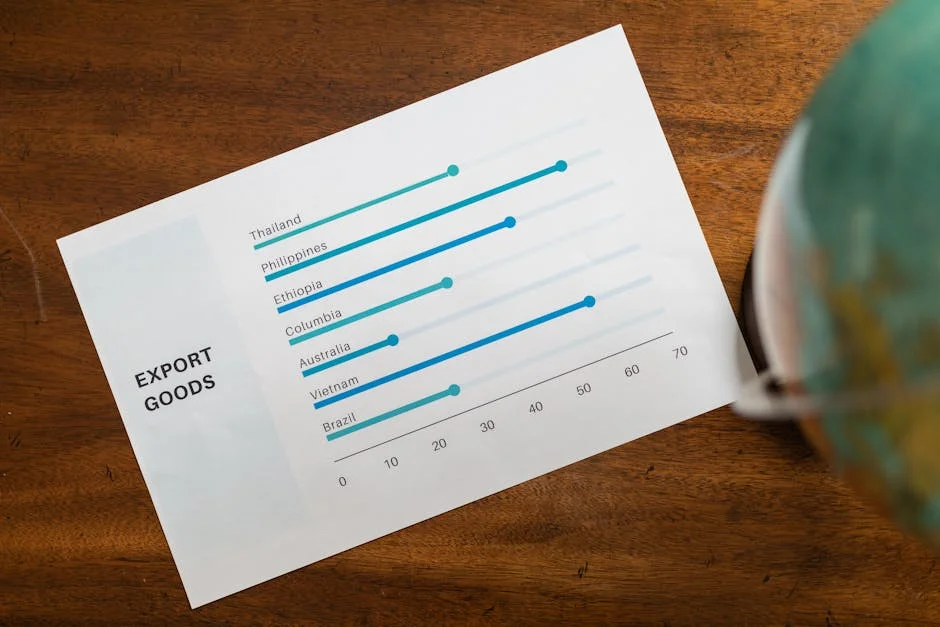
The upcoming Rali de Portugal, set for 2026, promises to feature 23 special stages and cover 345 km across the scenic Portuguese landscape. This major motorsport event not only highlights Portugal's commitment to tourism but also serves as an intriguing case study for African nations, particularly Nigeria, as they navigate their own development goals.
Understanding the Rali: A Boost for Tourism
The Rali de Portugal is a significant event in the World Rally Championship calendar and attracts thousands of visitors each year. Scheduled for late May 2026, this prestigious competition showcases not just the thrilling action of rally racing but also the stunning vistas of Portugal. The event is expected to stimulate local economies, creating jobs and generating revenue through tourism.
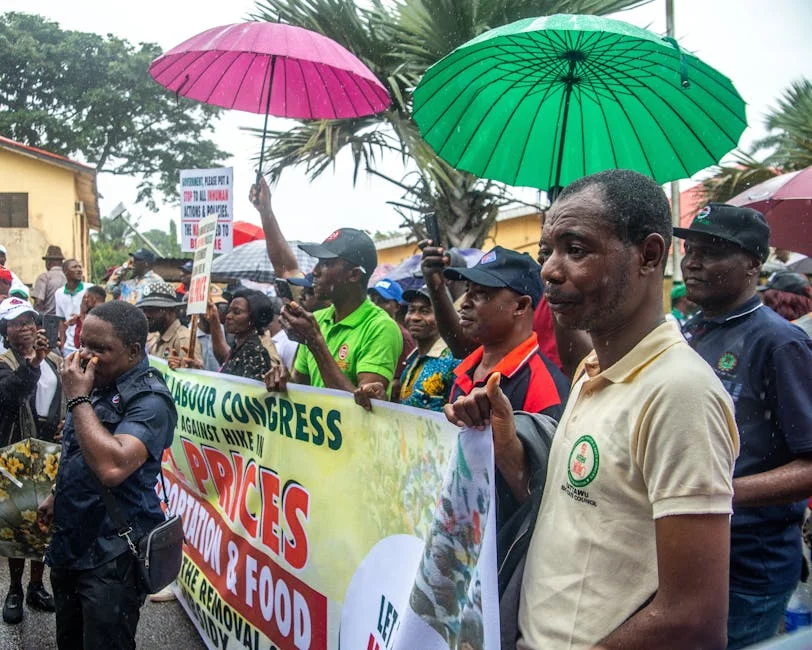
In Nigeria, understanding how Rali events operate can provide critical insights into harnessing local tourism potential. With a rich cultural heritage and diverse landscapes, Nigeria could benefit from similar high-profile events that draw international attention and stimulate economic growth.
Evaluating the Impact: Rali's Economic Ripple Effect
Portugal's Rali is projected to bring substantial economic benefits, with estimates suggesting millions in revenue for local businesses. Hotels, restaurants, and transport services will experience a surge in demand, showcasing the power of sports tourism. According to recent data from the Portuguese Tourism Board, large events like the Rali have led to a 20% increase in tourist arrivals in previous years.
This model can serve as a blueprint for Nigeria, which faces challenges in its tourism sector. By investing in infrastructure and governance, Nigeria could replicate the success of Portugal's rally event, potentially transforming popular tourist destinations into economic hubs.
Challenges in Infrastructure and Governance
To align with African development goals, Nigeria must address these shortcomings in governance and infrastructure. Initiatives that improve road conditions, enhance public safety, and foster regulatory support for tourism can create a more conducive environment for events like the Rali.
Health and Safety: Lessons from Rali de Portugal
In light of ongoing global health concerns, the Rali de Portugal will implement strict health protocols to ensure the safety of participants and spectators. This focus on health and safety is essential for restoring confidence in international travel, a lesson that Nigerian authorities could learn as they plan for future tourism events.
By prioritising health measures and ensuring safe environments for tourists, Nigeria can attract a more extensive international audience, contributing to economic growth and development goals.
Leveraging Technology for Tourism Growth
Modern technology plays a crucial role in the success of events like the Rali. Innovations in digital marketing, event management, and spectator engagement enhance the overall experience and drive participation. Portugal's emphasis on using technology to promote the Rali demonstrates how digital tools can boost tourism.
Nigeria has the opportunity to harness similar technology to enhance its tourism sector. By investing in digital platforms and promoting its cultural heritage through social media, Nigeria can effectively reach potential tourists, fostering a deeper understanding of its rich offerings.
In summary, as the Rali de Portugal gears up for 2026, its implications extend far beyond the borders of Portugal. By examining the successes and challenges that accompany such events, African nations can glean valuable lessons that contribute to their development goals, particularly in tourism, infrastructure, health, and governance.