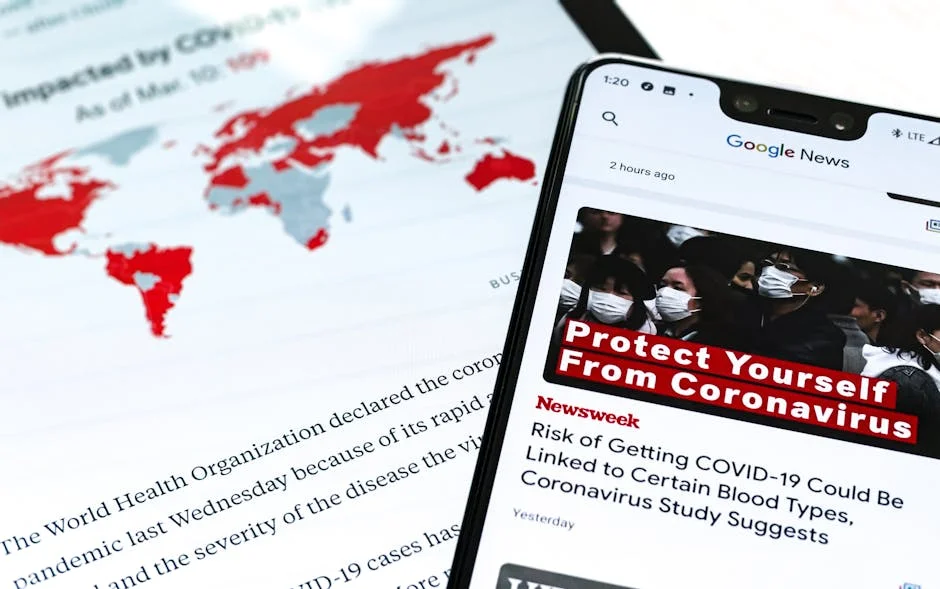
Portugal's recent wildfires have ignited a collaborative response from Spain, raising questions about cross-border cooperation in crisis management. This development, occurring in September 2023, marks a significant moment for both countries as they navigate the challenges posed by climate change and its implications for their cultural and economic landscapes.
Emergency Response: Spain Steps In
In late September 2023, Spain promptly deployed firefighting units to assist Portugal in combating the devastating wildfires that have ravaged parts of the country. The wildfires, exacerbated by extreme heat and prolonged drought conditions, have led to thousands of hectares of forest being scorched, prompting fears of ecological and economic repercussions. The Spanish government’s swift action not only highlights the urgency of the situation but also underscores the importance of regional cooperation in addressing environmental disasters.
The Cultural Ties Between Spain and Portugal
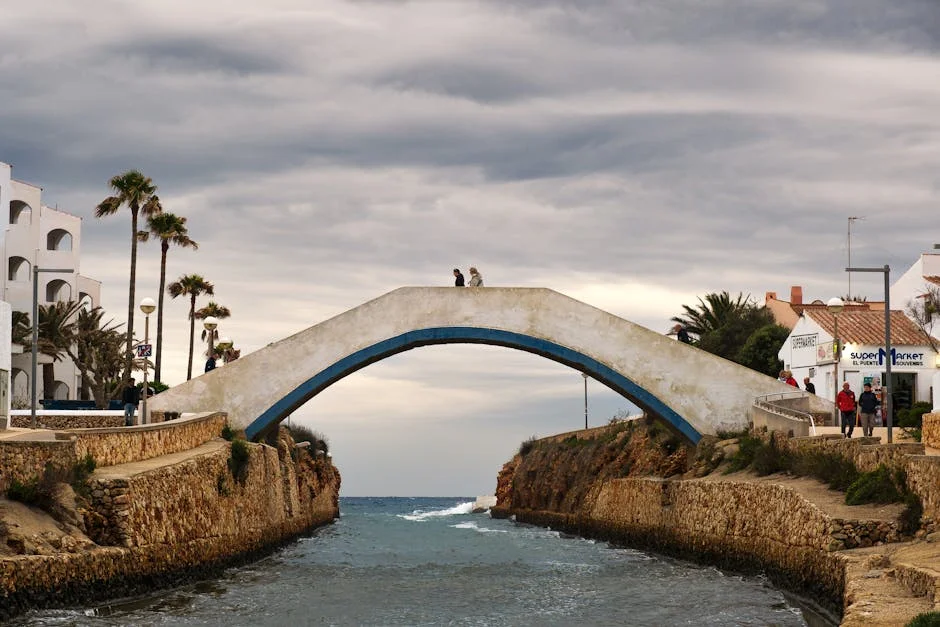
The relationship between Spain and Portugal has been historically significant, marked by a shared Iberian Peninsula and intertwined cultures. Such collaborations in crisis situations can serve as a model for other regions, including Africa, where cross-border partnerships are vital for addressing similar challenges such as climate change, resource management, and disaster response. These nations' commitment to work together reinforces cultural ties and mutual support, demonstrating how strong relationships can facilitate effective responses to crises.
Implications for African Development Goals
This incident raises critical reflections on how Africa can learn from these European examples. The African Union has set ambitious development goals aimed at improving governance, infrastructure, health, education, and economic growth across the continent. By observing Portugal and Spain's approach to collaborative crisis management, African nations may find opportunities to strengthen regional cooperation in addressing their unique challenges, such as climate-induced disasters. Better coordination among African states could enhance resilience and foster sustainable development.
Lessons for Nigeria and Beyond
As Nigeria grapples with its own environmental concerns, including desertification and flooding, the situation in Portugal can serve as a valuable case study. Nigeria's ongoing challenges highlight the need for robust governance and infrastructure that can withstand natural disasters. By fostering partnerships both regionally and internationally, Nigeria could leverage shared experiences to develop more effective disaster response strategies that align with its national development goals.
Future Prospects: Collaborative Solutions
The wildfires in Portugal are a stark reminder of the urgent need for comprehensive environmental policies and transnational cooperation. Whether addressing wildfires, floods, or droughts, African nations must embrace collaborative frameworks akin to the Spain-Portugal partnership. This approach can lead to shared resources, knowledge exchange, and improved governance, ultimately supporting economic growth and development across the continent.
As global temperatures continue to rise, the lessons learned from this incident may guide African countries in their quest for sustainable development. By embracing collaboration and learning from successful models, Africa has the potential to transform its challenges into opportunities.