Nigeria's vibrant fishing festival has taken centre stage this week, celebrating local culture while spotlighting the nation's untapped economic potentials. Held annually in various coastal towns, this year's festival featured stunning displays and an array of activities, drawing attention to the importance of sustainable fishing practices and community engagement.
Local Communities Unite to Celebrate Fishing Heritage
The festival, which took place over the weekend in Lagos and other coastal communities, showcased the rich fishing traditions that have sustained local economies for generations. Attendees enjoyed traditional music, dance, and food, all centred around the bounty of the sea. Local fishermen, many of whom have been in the trade for decades, shared their experiences and knowledge with younger generations, emphasising the significance of preserving these customs.
Economic Opportunities Emerge From Coastal Resources
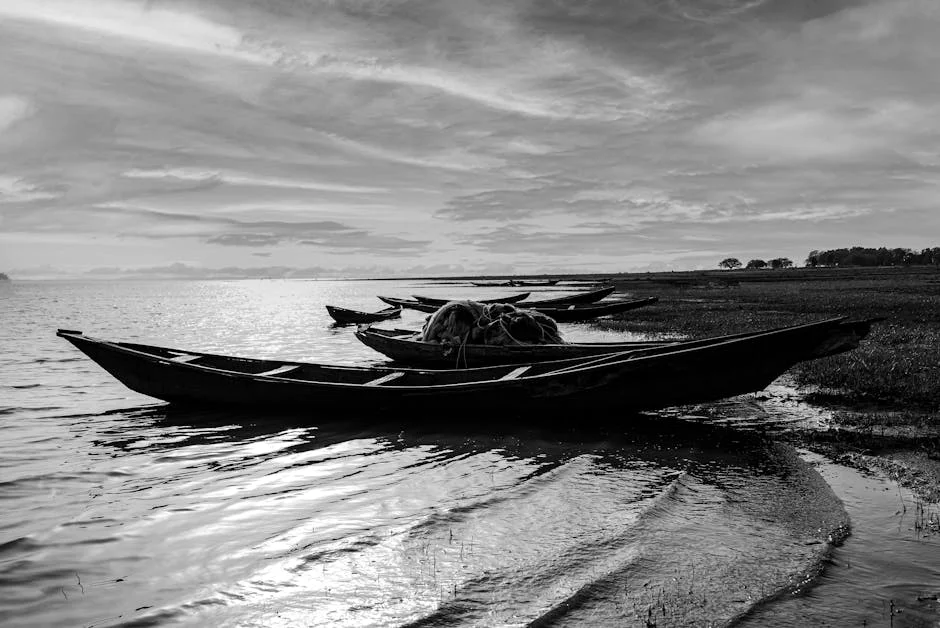
As Nigeria grapples with economic diversification challenges, events like this fishing festival highlight the potential for growth in the fishing sector. The industry, which employs thousands, contributes significantly to food security and local economies. According to the Food and Agriculture Organization (FAO), Nigeria's fish production has the potential to increase by 50% if investment in sustainable practices and infrastructure is prioritised. This festival serves not only as a cultural event but also as a platform to advocate for policy changes that can bolster the fishing industry.
Health and Nutrition: A Central Theme
With rising concerns over food security in Nigeria, the importance of fish as a protein source cannot be overstated. The festival aims to raise awareness about the nutritional benefits of fish, promoting it as a vital component of a balanced diet. Health experts present at the event highlighted the role of fish consumption in combating malnutrition, particularly among children and vulnerable populations. This aligns with Nigeria's health development goals, which seek to improve dietary diversity and nutrition across the nation.
Infrastructure: The Backbone of Fishing Communities
However, while the fishing festival celebrates the bounty of the sea, it also sheds light on infrastructural challenges that persist in the industry. Many fishing communities lack adequate facilities for processing and storing their catch, leading to significant post-harvest losses. Improved infrastructure, such as cold storage facilities and better access to markets, would not only enhance the quality of fish sold but also increase profit margins for local fishermen. Addressing these issues is crucial for fostering sustainable economic growth in the sector.
Governance and Policy: A Call for Sustainable Practices
The festival also served as a platform for advocacy, with local leaders urging the government to implement policies that support sustainable fishing practices. Overfishing and illegal fishing practices threaten the livelihoods of many fishermen, and there is a pressing need for regulatory frameworks that protect marine resources while supporting local economies. The festival's visibility has provided an opportunity for stakeholders to discuss these issues, paving the way for collaborative solutions that benefit both the environment and local communities.
Looking Forward: The Future of Fishing in Nigeria
As the festival draws to a close, the discussions initiated during this vibrant event are expected to resonate beyond the shores of Nigeria. The ongoing dialogue surrounding fishing practices, economic opportunities, and community health will be crucial in shaping the future of the industry. The Nigerian fishing festival not only celebrates cultural heritage but also opens a window for addressing broader African development goals, such as economic growth, food security, and environmental sustainability. Moving forward, it is essential for policymakers, communities, and stakeholders to work together to harness the full potential of Nigeria's fishing industry.