Lead paragraph: Recent analysis reveals that coffee-producing regions in Ethiopia are becoming increasingly unsuitable for cultivation due to rising temperatures. This alarming trend not only jeopardises the coffee industry but also poses significant challenges for local farmers, particularly those affiliated with the Oromia Coffee Farmers Cooperatives Union, led by Dejene Dadi.
Context and Background
Ethiopia, known as the birthplace of coffee, has long relied on its diverse climates and altitudes for the cultivation of high-quality beans. However, climate change is altering these conditions, with temperatures in coffee-growing areas expected to rise significantly in the coming decades. This shift threatens the livelihoods of millions who depend on coffee for their income, challenging the country’s ability to meet its development goals as outlined in the African Union's Agenda 2063.
Key Developments
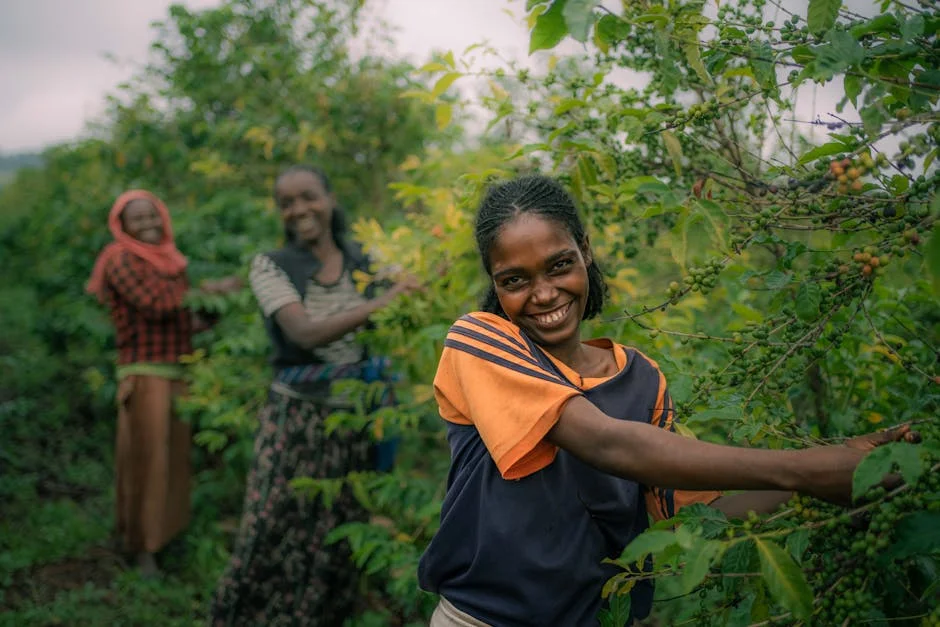
According to recent studies, many regions in Ethiopia that have historically been ideal for coffee cultivation are projected to become too hot for the coffee plant's growth. Dejene Dadi, a prominent figure in the Oromia Coffee Farmers Cooperatives Union, has highlighted the urgent need for adaptive strategies to combat this crisis. The analysis indicates that without intervention, Ethiopia may see a drastic reduction in coffee production, which is not only a key economic driver but also a cultural cornerstone.
Details and Evidence
Data shows that average temperatures in coffee-growing areas of Ethiopia could rise by up to 2.5 degrees Celsius by 2050. This increase could result in the loss of approximately 60% of the area suitable for coffee cultivation. The Ethiopian government has set ambitious targets for sustainable agricultural practices, and the current trajectory threatens these goals. Dejene Dadi explained that investing in climate-resilient coffee varieties and training farmers on modern agricultural techniques is crucial to mitigate these impacts.
Analysis: African development and pan-African perspective
This situation highlights a critical intersection of climate change and African development goals. With agriculture contributing significantly to the continent's GDP and employment, the threat to coffee production in Ethiopia is emblematic of broader continental challenges. The African Union's Agenda 2063 stresses the importance of sustainable development, yet rising temperatures threaten not only agricultural output but also food security and economic growth across the region. The plight of Ethiopia's coffee farmers serves as a microcosm for agricultural vulnerability faced by many countries in Africa.
Impact and Implications
The implications of these developments extend beyond the agricultural sector. As coffee is one of Ethiopia's largest export commodities, the potential decline in production could have profound effects on the national economy. Farmers, particularly those affiliated with cooperatives, risk losing their livelihoods, which could lead to increased poverty and social unrest. Additionally, the ripple effects may impact coffee prices globally, affecting consumers and suppliers alike.
Outlook
Experts warn that unless immediate action is taken, the future of coffee farming in Ethiopia hangs in the balance. Analysts suggest that investing in research and development, alongside international collaboration, could provide pathways to adapt to changing climates. Readers should watch for governmental initiatives aimed at agricultural resilience, as well as community-led efforts to innovate in coffee production. The fate of Ethiopia's coffee industry will likely be a litmus test for how effectively the continent responds to the combined challenges of climate change and development.