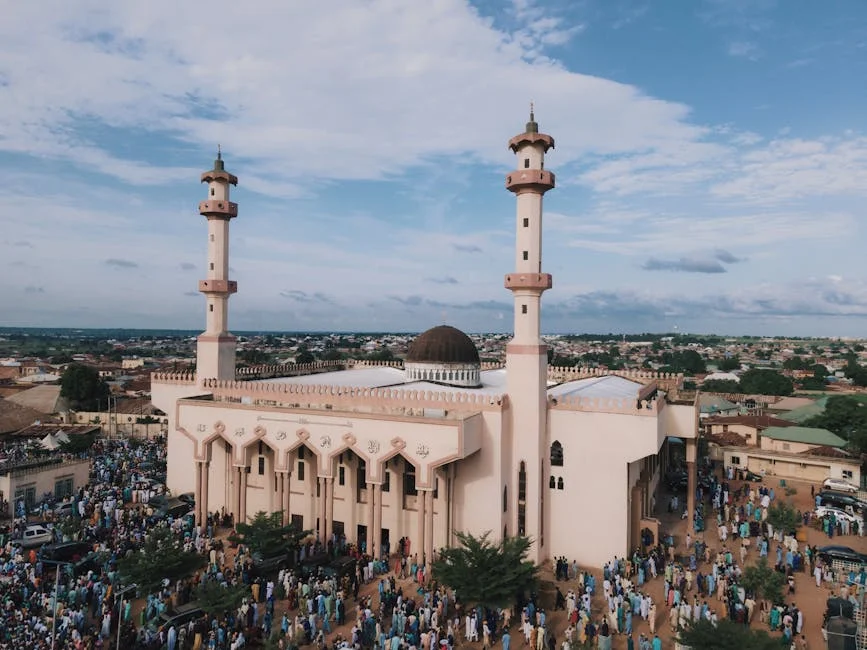
In an ambitious move to rejuvenate Ethiopia's architectural legacy, the £42 million restoration of Africa Hall was announced this week. Designed by the visionary Arturo Mezzedimi, the project aims to enhance the continent's cultural and economic landscape while addressing key African development goals.
Context and Background
Africa Hall, located in Addis Ababa, Ethiopia, was originally built in 1961 and serves as a significant symbol of Africa's post-colonial identity. It has hosted numerous important conferences and gatherings, representing the collective aspirations of African nations. However, over the years, the building has suffered from neglect, raising questions about heritage preservation amidst rapid urbanisation and infrastructural development. The current restoration aims to breathe new life into this modernist masterpiece, aligning with broader goals for sustainable development and cultural unity across the continent.
Key Developments
The restoration project has garnered attention not only for its historical significance but also for its potential to stimulate local economies and promote tourism in Ethiopia. The initiative will see the production of 13 million new tiles, an essential part of maintaining the architectural integrity of Africa Hall. This massive undertaking reflects a growing trend in African nations to invest in their cultural landmarks as a means of fostering economic growth and improving infrastructure.
Details and Evidence
According to project managers, the restoration will create employment opportunities for local artisans, highlighting the intersection of cultural preservation and economic development. The use of locally sourced materials and craftsmanship is expected to empower communities and promote sustainable practices. Moreover, the revival of Africa Hall is anticipated to attract international conferences and events, further positioning Ethiopia as a hub for diplomacy and cultural exchange in Africa.
Analysis: African development and pan-African perspective
This revitalisation project embodies a pan-African perspective, showcasing how cultural investments can facilitate broader development goals. By restoring Africa Hall, Ethiopia not only honours its architectural heritage but also reinforces the importance of cultural identity in the face of globalization. This aligns with the African Union’s Agenda 2063, which emphasises the need for inclusive growth, sustainable development, and the promotion of African heritage. The designed impact of this project extends beyond Ethiopia, as it underscores the potential for similar initiatives across the continent that could drive economic growth and foster unity.
Impact and Implications
The implications of this restoration project are far-reaching. It may serve as a model for other African nations grappling with the challenge of balancing modernisation with the preservation of cultural heritage. Furthermore, the potential influx of tourists and international delegations could provide a significant boost to Ethiopia's economy, creating a ripple effect in related sectors such as hospitality and transport. As other countries in Africa observe this project, it could inspire a wave of similar initiatives aimed at leveraging cultural assets for economic and social development.
Outlook
Looking ahead, experts suggest that the success of the Africa Hall restoration will hinge on effective governance and community engagement. Stakeholders will need to ensure that the local population benefits from the economic opportunities generated by the project. Observers should watch for updates on the project's progress and its impact on Ethiopia's economic landscape. As Africa continues to develop, the revival of cultural landmarks like Africa Hall could emerge as a crucial element in achieving sustainable development goals across the continent.