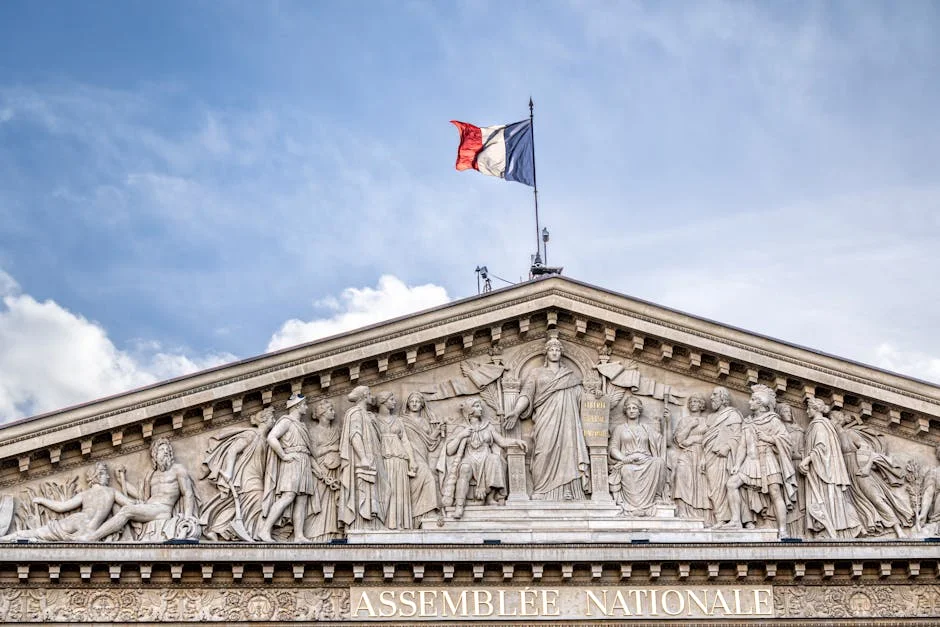
In a striking turn of events, acclaimed Algerian-French novelist Kamel Daoud faces accusations of stealing a woman’s life story for his latest work. This controversy, which emerged shortly before the annual Paris Book Fair in November, raises significant questions about cultural appropriation and authorship in contemporary literature.
Context and Background
Kamel Daoud, known for his insightful narratives that grapple with themes of identity and cultural dislocation, has garnered a notable reputation in both French and global literature. His previous works, such as "The Meursault Investigation," have received critical acclaim and numerous literary awards. However, this latest incident has sparked a heated debate regarding the ethical boundaries of storytelling. The accusation revolves around claims made by a woman who asserts that Daoud has closely mirrored her personal experiences in his writing without her consent. Such allegations highlight the delicate interplay between authorship and cultural sensitivity, particularly in a post-colonial context where narratives often reflect broader societal issues.
Key Developments
The unfolding drama began when the unnamed woman publicly challenged Daoud, expressing feelings of betrayal and violation, stating, "I felt betrayed, naked." She argues that the emotional weight of her life story has been appropriated in a manner that commodifies her experiences for artistic gain. As the Paris Book Fair approaches, the literary community is abuzz with discussions about the implications of this controversy on Daoud's reputation and the larger discourse about creative ownership.
Details and Evidence
The allegations have been supported by social media campaigns and blog posts highlighting the importance of ethical storytelling. Critics have pointed out that Daoud’s narrative style often draws from his own cultural heritage and experiences as an Algerian navigating French society. This incident, therefore, raises questions about who has the right to tell certain stories and whether the boundaries of cultural narratives are being blurred. Critics also cite a broader phenomenon within the literary world, where cultural appropriation has come under scrutiny, especially in works that address sensitive subjects.
Analysis: African development and pan-African perspective
This controversy surrounding Kamel Daoud is emblematic of larger issues facing African authors and the pan-African literary landscape. Given the rich tapestry of experiences across the continent, the conversation about ownership of narratives is crucial. Writers like Daoud have the potential to bridge cultural divides, yet this incident serves as a cautionary tale about the importance of respecting personal histories. As African nations strive for holistic development, including education and governance, the literary community must engage with these ethical questions to foster a narrative environment that uplifts diverse voices rather than silencing them.
Impact and Implications
The implications of this scandal extend beyond Daoud himself; they resonate throughout the African literary community and beyond. Emerging authors may feel disheartened, fearing that their stories might be misunderstood or misappropriated. Furthermore, readers may become more cautious in their consumption of literature, seeking out works that genuinely reflect the voices of their authors. This could lead to a renaissance in African storytelling, where authenticity is prioritised, thus supporting the continent’s development goals in terms of cultural representation and economic growth through literature.
Outlook
As the Paris Book Fair approaches, observers are keen to see how Kamel Daoud will respond to these allegations and whether they will affect his participation in literary events. Experts suggest that the fallout from this incident may lead to more robust dialogues about ethics in storytelling across literary circles. Readers and critics alike should watch for potential changes in how publishers approach the issues of authorship and cultural representation, paving the way for a more inclusive literary scene in both African and global contexts. This moment may serve as a pivotal point for the future of African literature, encouraging a more respectful and thoughtful engagement with the stories that shape our understanding of the world.