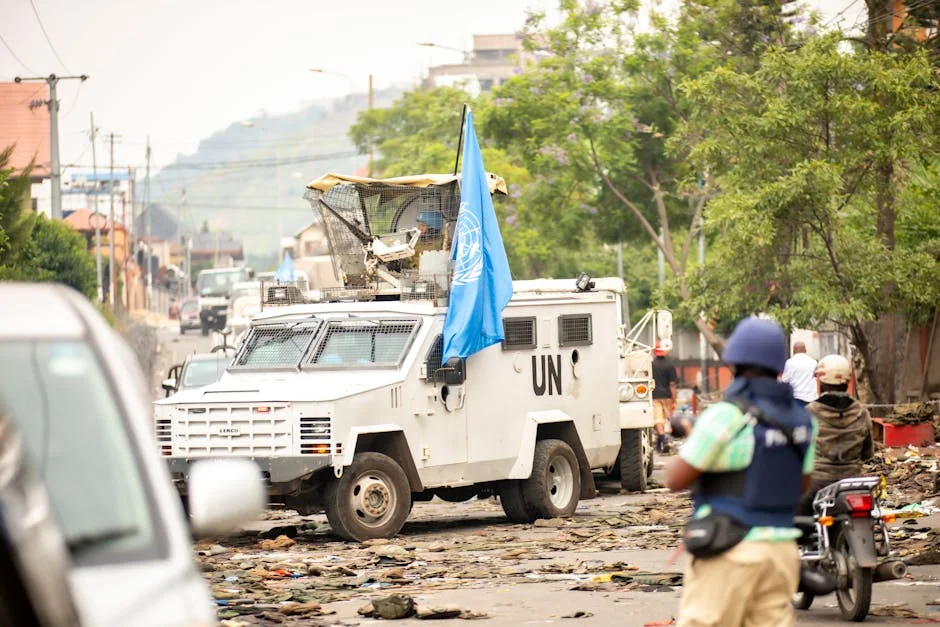
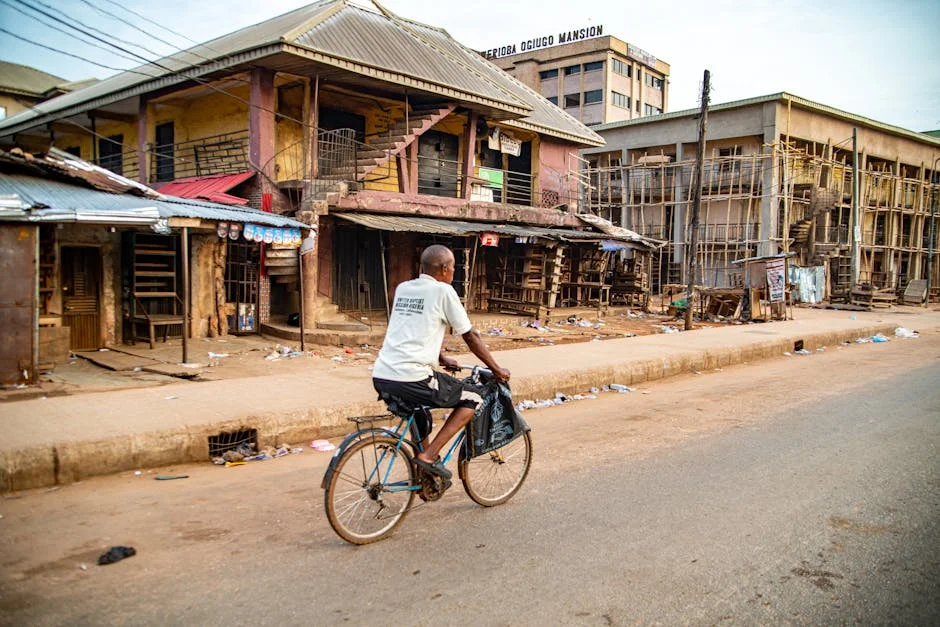
As violence escalates in Sudan, particularly in El Fasher, questions arise about the global community's failure to prevent these atrocities. The ongoing conflict represents not only a humanitarian crisis but a significant challenge to African development goals.
Context and Background
The conflict in Sudan traces back to longstanding ethnic tensions, political instability, and struggles for power among various factions. Since the ousting of Omar al-Bashir in 2019, the country has endured a volatile transition, culminating in violent confrontations. The situation has deteriorated, with reports of widespread atrocities against civilians, particularly in regions like Darfur.

Key Developments
In recent weeks, the situation in El Fasher, the capital of North Darfur, has escalated sharply. Armed groups have clashed, leading to significant civilian casualties and mass displacements. The violence has drawn attention to the lack of effective international intervention and the complexities of Sudan's internal affairs.
Details and Evidence
According to the United Nations, thousands of people have been killed or injured, and over a million have been displaced since the onset of the latest conflict. Humanitarian organisations are struggling to provide aid due to ongoing violence and logistical challenges. Satellite imagery has revealed extensive destruction of homes and infrastructure, highlighting the dire situation on the ground.
Analysis: African development and pan-African perspective
From an African development perspective, the conflict in Sudan poses significant challenges to the continent's goals of stability and economic growth. The African Union (AU) has emphasised the importance of governance, accountability, and inclusive development as cornerstones of peace. However, the current crisis undermines these principles, leading to a regression in human development indicators and exacerbating poverty levels. The international community's inaction raises critical questions about the relevance of global governance frameworks and their effectiveness in African contexts.
Impact and Implications
The consequences of the conflict extend beyond Sudan's borders, impacting regional stability and economic prospects. Countries in the Horn of Africa face the risk of spillover effects, including refugee crises and increased insecurity. Furthermore, the humanitarian disaster is poised to strain resources across the region, as neighbouring countries grapple with their own development challenges. The situation calls for urgent attention from both African leaders and the global community to address the root causes of this conflict.
Outlook
Looking ahead, experts suggest that a concerted effort is needed to engage regional players and international partners in stabilising Sudan. Observers urge the AU to take a more proactive role in mediating peace and facilitating dialogue among conflicting parties. As the situation evolves, it remains crucial for the global community to recognise the interconnectedness of African development, governance, and security, as failure to act could result in further destabilisation across the continent. Readers should watch for developments in diplomatic efforts and humanitarian responses, as these will shape the future of both Sudan and the broader region.