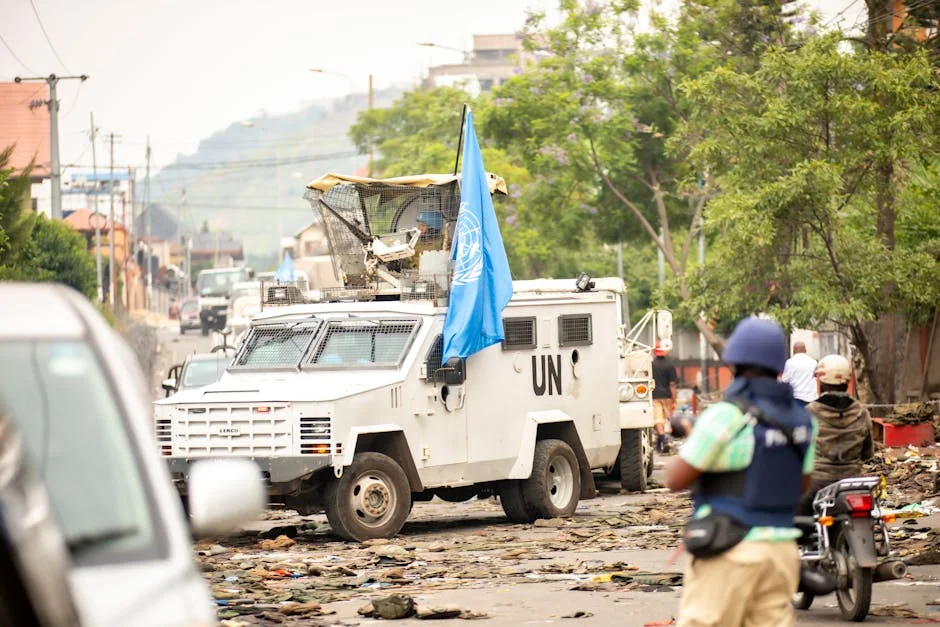
Lead paragraph: In a bold move to address escalating organised crime, South African President Cyril Ramaphosa has proposed deploying military forces to combat criminal syndicates terrorising communities. This decision, made public in late October 2023, signals a critical shift in governance aimed at restoring safety and order in South Africa.
Context and Background
South Africa has faced a significant increase in violent crime over the past decade, with organised crime syndicates deeply entrenched in various sectors, including drug trafficking, human trafficking, and illegal mining. The nation’s high crime rate has posed severe challenges to governance and societal stability, with South Africans increasingly voicing their frustrations over inadequate law enforcement. The government’s response has often been scrutinised, with many analysts arguing that deeper systemic issues, such as poverty and unemployment, fuel this criminal element. This recent proposal by President Ramaphosa reflects the urgency of the situation, marking a potential pivot in the country’s approach to public safety.
Key Developments
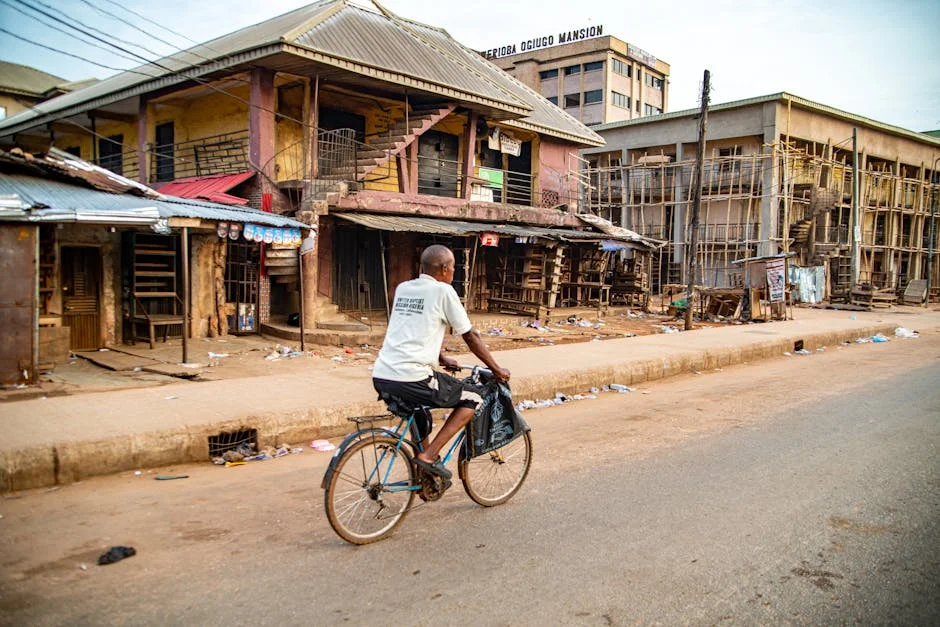
President Ramaphosa announced the potential military deployment during a national address, following a series of violent incidents linked to organised crime. He cited the need for a robust response to protect South Africans and restore public confidence in state institutions. This proposal has sparked a nationwide debate regarding the appropriateness and effectiveness of military intervention in civilian matters. Critics argue that such measures could lead to further militarisation of society, while supporters maintain it is a necessary step to tackle rampant criminality.
Details and Evidence
Data from the South African Police Service indicates that murder rates have surged by over 8% in the last year alone, with organised crime increasingly responsible for these figures. A report from the Institute for Security Studies highlights that groups involved in drug trafficking have expanded their operations into rural areas, exacerbating local violence and undermining community safety. The government’s struggle to manage these challenges reflects broader continental issues regarding governance and security across Africa.
Analysis: African development and pan-African perspective
This potential military intervention resonates deeply with ongoing discussions about African development goals, particularly those regarding governance and security. It illustrates a critical intersection of security and development, where failing to address organised crime hinders economic growth, health, and education initiatives across the continent. The situation in South Africa is emblematic of broader continental challenges, as many African nations grapple with similar threats. The manner in which South Africa handles this dilemma could serve as a case study for other nations facing security issues, including Nigeria, where crime and corruption have similarly stifled progress.
Impact and Implications
The implications of deploying the military to combat crime could be profound. If successful, it may restore public faith in government institutions and create an environment more conducive to economic investment and development. However, failure or excessive force could lead to escalated violence, increased civil unrest, and potential human rights violations, drawing international scrutiny. The South African populace, particularly vulnerable communities, will be most affected by the outcomes of this initiative.
Outlook
As the debate continues, experts suggest that the government must balance military intervention with community engagement and social development strategies. Analysts emphasise the importance of addressing the root causes of crime, such as poverty and lack of education, to create sustainable solutions. In the coming months, observers will closely monitor the government's actions and public response, as South Africa navigates this complex landscape. The situation will remain a focal point in South African politics and has the potential to influence broader continental discussions on governance and development in Africa.