Fighting has resumed in the eastern Democratic Republic of the Congo (DRC), despite a ceasefire deal brokered by the Angolan President. This escalation of violence threatens stability in the region and poses significant challenges to ongoing efforts towards peace and development.
Context and Background
The DRC has been plagued by conflict for decades, with various armed groups vying for control over resource-rich regions. Despite numerous peace agreements and international interventions, the eastern DRC remains a hotspot for violence. The latest ceasefire agreement, aimed at halting hostilities, was negotiated with the involvement of the Angolan President, who has been actively seeking to mediate the conflict. However, the recent resurgence of fighting signals a failure to uphold commitments made under this agreement, raising alarms about the future of peace in the country.
Key Developments
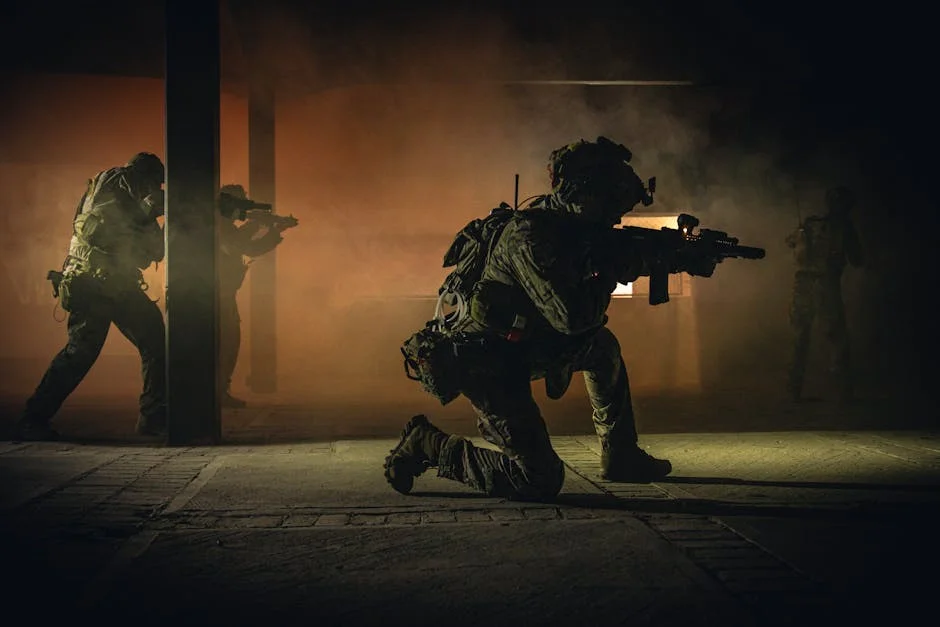
Clashes have intensified in North Kivu and Ituri provinces, where armed groups, including the M23 militia, have been involved in skirmishes with Congolese forces. Reports indicate that the fighting has resulted in civilian casualties and a new wave of displacement, exacerbating an already dire humanitarian situation. The Angolan President, who had previously expressed optimism about the peace process, is now faced with the daunting challenge of re-establishing dialogue among conflicting parties.
Details and Evidence
According to the United Nations, over 5.5 million people in the DRC are currently displaced due to ongoing violence. Humanitarian organisations report that access to basic services such as healthcare, education, and food has been severely disrupted. The recent fighting has also interrupted efforts to combat diseases like Ebola and measles, which have been prevalent in the region. The Angolan President's interventions have historically aimed to stabilise the region, yet the current climate of violence undermines these efforts and poses a significant setback to development initiatives.
Analysis: African development and pan-African perspective
The ongoing fighting in eastern DRC highlights the critical intersection of conflict and development in Africa. As countries across the continent strive to meet the African Union's Agenda 2063 goals, the resumption of violence in the DRC serves as a stark reminder of the challenges faced. Infrastructure development, health initiatives, and educational programs are all at risk due to instability. The implications of this fighting extend beyond DRC's borders, affecting neighbouring countries like Uganda and Rwanda, and impacting regional trade and economic growth.
Impact and Implications
The consequences of renewed fighting are profound. Internally displaced persons (IDPs) face worsening living conditions, and humanitarian aid is increasingly difficult to deliver. The resurgence of conflict could also drive regional instability, affecting Nigeria and other West African countries that rely on peace and security in the Great Lakes region. For Nigeria, the impact is particularly concerning, as any escalation in regional tensions could disrupt trade routes and economic cooperation initiatives. Moreover, the failure to achieve peace in the DRC could hinder collective efforts towards a more integrated and prosperous African continent.
Outlook
Looking ahead, the prospects for peace in eastern DRC appear uncertain. Analysts suggest that without immediate and sustained diplomatic pressure from regional leaders, the situation could spiral further out of control. The Angolan President is crucial in this landscape, as he seeks to revive dialogue and negotiations. Observers will be watching closely for any developments in peace talks and the humanitarian response to the crisis. The international community's involvement will be essential in addressing both the immediate needs of affected populations and the long-term solutions required for stability and development in the region.