Ethiopia commemorates the 65th anniversary of its army in Hawassa, facing ongoing tensions in the Tigray region. Prime Minister Abiy Ahmed attended the ceremony, highlighting the army's role in national unity and security as the country grapples with internal conflicts.
Context and Background
The Ethiopian National Defence Force (ENDF) has a storied history, deeply entwined with the nation’s struggles for sovereignty and stability. Founded in 1958, the army has seen various transformations, especially in the context of the Tigray conflict that erupted in late 2020. The war against the Tigray People's Liberation Front (TPLF) has not only impacted Ethiopia's internal politics but has also reverberated throughout the East African region, creating a complex scenario of humanitarian crises and geopolitical tensions.
Key Developments
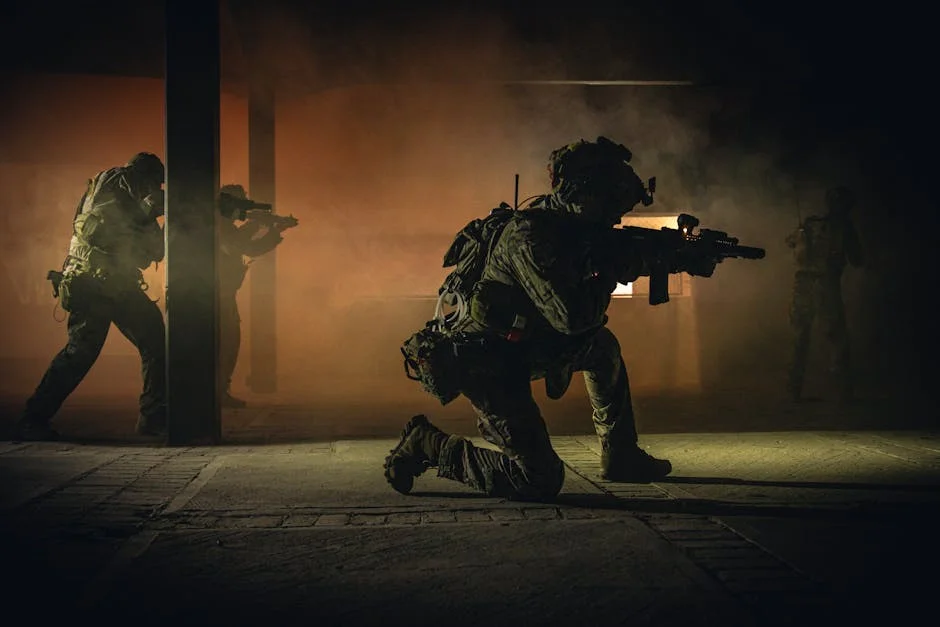
During the anniversary event in Hawassa, the Special Operations Command (SOC) was emphasised for its strategic importance in combatting threats to national security, particularly during the protracted conflict in Tigray. This event reflects the Ethiopian government's efforts to project stability and national pride amidst ongoing unrest.
Details and Evidence
The ENDF has undergone significant changes in its operational structure, with the Special Operations Command playing a vital role. This unit has been instrumental in various operations, including counter-insurgency missions. Recent statistics indicate that the conflict has resulted in thousands of deaths and millions displaced, with the government's military strategy facing scrutiny from both domestic and international observers.
Analysis: African development and pan-African perspective
From an en-NG perspective, the anniversary highlights the critical intersection of military power and national development. The capabilities of the Special Operations Command can significantly impact neighbouring countries, including Nigeria, where security challenges are prevalent. Understanding how such military structures operate in Ethiopia can provide insights into governance and development models that may be applicable across Africa. This includes examining how military stability can contribute to economic growth, educational initiatives, and infrastructure development, all of which are vital to achieving broader African development goals.
Impact and Implications
The ongoing tensions in Tigray and the military's role in addressing these challenges have far-reaching consequences for regional stability. The emphasis on military strength in Ethiopia can influence perceptions of governance and security in Nigeria and other African nations. As these countries seek to bolster their security apparatus, the Ethiopian experience could serve as both a cautionary tale and a source of strategies for managing internal conflict and fostering economic opportunity.
Outlook
Looking ahead, the situation in Tigray will remain a focal point for analysts. Experts advise monitoring the Ethiopian government's next moves, particularly regarding military engagements and peace initiatives. For Nigeria and other nations, the dynamics in Ethiopia serve as a valuable lesson on the implications of military engagement in governance and development pathways. Stakeholders should closely watch how these developments in Ethiopia resonate throughout the continent, shaping the discourse on security, governance, and economic resilience.