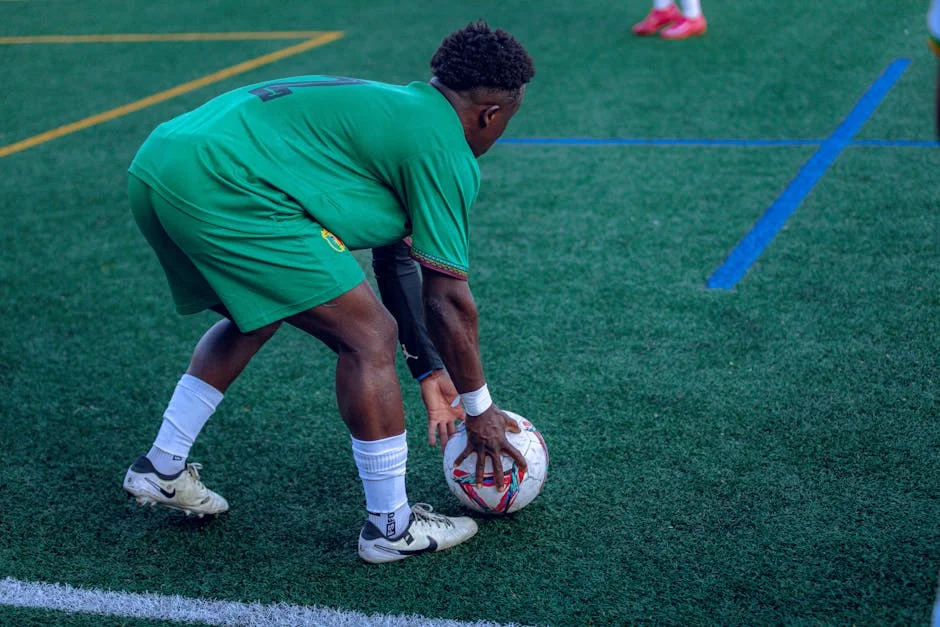
The Confederation of African Football concluded the qualifying draw for the TotalEnergies CAF Africa Cup of Nations PAMOJA 2027 in Cairo on Tuesday. Nigeria finds itself in a challenging Group D, facing Kenya, Uganda, and Libya. This outcome sets the stage for a rigorous campaign that will test the resilience of the Super Eagles ahead of the continental showpiece.
Group Dynamics and Regional Rivalries
The draw in Cairo has placed Nigeria in a group that balances historical strength with emerging regional powerhouses. Kenya and Uganda bring intense local rivalry dynamics to the pitch, which often translates into high-stakes performances. Libya adds a layer of defensive solidity and tactical discipline that Nigerian fans have come to respect in recent years.

Football in Africa is more than just sport; it is a primary driver of soft power and regional integration. The PAMOJA 2027 tournament, co-hosted by Kenya, Uganda, and Tanzania, aims to leverage football to boost infrastructure and tourism across East Africa. For Nigeria, performing well in this specific group is not merely about three points; it is about maintaining continental relevance against a resurgent East African bloc.
The competitive nature of Group D reflects the broader shift in African football. No longer can the traditional giants rely solely on individual star power. Team cohesion and tactical adaptability are now critical. Nigeria must navigate the distinct styles of play presented by its three opponents to secure a smooth passage to the final tournament.
Implications for Nigerian Football Governance
This draw places immediate pressure on the Nigeria Football Federation to finalize its coaching strategy and squad selection. The federation must ensure that the Super Eagles are prepared for the varied climatic and pitch conditions found in East Africa. Failure to adapt could result in costly draws or unexpected defeats against determined opponents.
Infrastructure and Travel Logistics
Travel logistics will play a crucial role in the qualification campaign. Flights and accommodation in Nairobi, Kampala, and Khartoum require careful planning to minimize player fatigue. The NFF must invest in efficient travel arrangements to ensure the team arrives well-rested for each crucial match.
Moreover, the draw highlights the need for better domestic league scheduling. Nigerian clubs must align their fixtures with the international calendar to prevent player burnout. This coordination is essential for maintaining high performance levels throughout the qualification phase and beyond.
Fan Engagement and Economic Impact
The qualification matches offer a significant economic opportunity for Nigerian businesses. Sponsorship deals, merchandise sales, and broadcasting rights are likely to surge as fan interest grows. The NFF should capitalize on this momentum to generate revenue that can be reinvested into the grassroots development of the sport.
Fan engagement strategies must also evolve. Digital platforms will be key in keeping the diaspora and local supporters connected. Interactive content and live updates can enhance the viewing experience and foster a stronger sense of community around the national team.
East Africa's Strategic Advantage
Kenya, Uganda, and Tanzania have invested heavily in hosting the 2027 AFCON. This investment has led to improved stadiums, better training facilities, and enhanced infrastructure. These improvements provide a home-field advantage that Nigeria must overcome when visiting these countries.
The host nations are motivated not only by pride but also by the economic benefits of hosting a major continental tournament. This motivation often translates into greater intensity and determination on the pitch. Nigeria must respect this drive and approach each away match with a clear tactical plan.
Furthermore, the East African teams have been using the lead-up to the tournament to strengthen their squads. They have signed experienced players and integrated young talents to create a balanced team. This strategic planning poses a significant challenge for Nigeria, which must match their preparation levels.
Historical Context and Past Performances
Nigeria has a storied history in the AFCON, with six titles to its name. However, recent years have seen the Super Eagles face increased competition from nations like Senegal, Egypt, and Morocco. The 2027 qualifiers offer a chance to reclaim dominance and set the stage for future successes.
Looking back at previous encounters, Nigeria has often struggled against teams that employ a compact defensive structure. Libya, in particular, has been known to frustrate attacking teams with their disciplined backline. Kenya and Uganda, while sometimes inconsistent, have the ability to capitalize on counter-attacks.
Understanding these historical patterns is crucial for the Nigerian coaching staff. They must develop strategies that break down defensive blocks and exploit spaces behind the defense. Learning from past mistakes will be key to achieving a smooth qualification campaign.
Development Goals and Continental Challenges
African football development is closely tied to broader continental goals. The CAF has emphasized the need for improved governance, financial transparency, and youth development across member associations. Nigeria, as one of the founding members, is expected to lead by example in these areas.
The 2027 qualifiers provide a platform to showcase these development efforts. Successful performance on the pitch can boost morale and attract investment in the sport. Conversely, poor results can highlight areas that need improvement, such as coaching quality and infrastructure.
Challenges remain, however. Political interference, financial mismanagement, and inconsistent league structures continue to hinder progress. Addressing these issues requires a concerted effort from the NFF, government stakeholders, and private sector partners. Only through collaboration can Nigeria sustain its competitive edge.
What to Watch Next
The first set of qualifiers is scheduled to take place in the coming months. Fans should closely monitor the team announcements and preliminary squad lists. Early performances will provide valuable insights into the team's form and tactical approach.
Key dates to mark on the calendar include the initial away matches against Kenya and Uganda. These games will be critical in setting the tone for the entire campaign. Nigeria must aim for early victories to build momentum and confidence.
Stay tuned for updates on player injuries, coaching changes, and transfer news that could impact the squad. The road to PAMOJA 2027 is long, and every match counts. Nigeria must remain focused and disciplined to achieve its ultimate goal of reaching the continental finals.
Frequently Asked Questions
What is the latest news about caf draw confirms tough group for nigerias 2027 afcon hopes?
The Confederation of African Football concluded the qualifying draw for the TotalEnergies CAF Africa Cup of Nations PAMOJA 2027 in Cairo on Tuesday.
Why does this matter for environment-nature?
This outcome sets the stage for a rigorous campaign that will test the resilience of the Super Eagles ahead of the continental showpiece.
What are the key facts about caf draw confirms tough group for nigerias 2027 afcon hopes?
Kenya and Uganda bring intense local rivalry dynamics to the pitch, which often translates into high-stakes performances.