Human Rights Watch has released a damning report detailing systematic killings and sexual violence by M23 rebels and Rwandan troops in Uvira, a strategic town in the Democratic Republic of Congo. The findings expose how military aggression continues to derail the region’s fragile peace process and threaten broader African development goals. This crisis in the eastern DRC is not an isolated incident but a symptom of deeper continental challenges that demand urgent attention.
Violence in Uvira Disrupts Regional Stability
The latest accusations come as fighting intensifies around Uvira, a town located in the South Kivu province. Human Rights Watch investigators documented multiple incidents where soldiers and rebels targeted civilians with little regard for international humanitarian law. These actions include summary executions, widespread rape, and the looting of essential goods from local markets. The brutality has forced thousands of residents to flee their homes, creating a new wave of internal displacement.
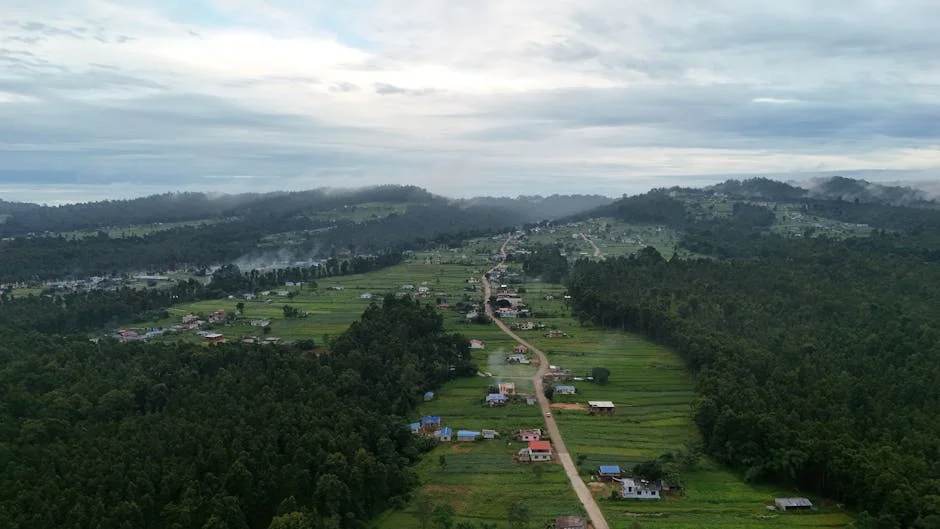
Uvira’s strategic location near the border with Rwanda makes it a critical corridor for trade and military movement. Control over this town allows the M23 rebels to secure supply lines and exert pressure on the Congolese government army. For the local population, this means living under the constant threat of gunfire and curfew breaches. The instability in Uvira directly undermines the economic progress that the Democratic Republic of Congo has worked hard to achieve in recent years.
This situation highlights how conflict in one part of Africa can ripple across borders. The spillover effects include refugee flows into neighboring countries and disruptions to regional supply chains. As tensions rise, the risk of a broader continental conflict increases, potentially drawing in more external actors. The human cost is already staggering, with families torn apart and communities decimated by the relentless pace of warfare.
Human Rights Watch Details the Atrocities
The report from Human Rights Watch provides specific evidence of the crimes committed in Uvira. Investigators interviewed over 50 survivors, including women and children who endured horrific acts of sexual violence. Many victims described being targeted by Rwandan forces who operated with a sense of impunity. These testimonies reveal a pattern of behavior that suggests the atrocities are not merely incidental but part of a broader strategy to intimidate the local population.
Systematic Sexual Violence as a Weapon of War
Sexual violence has emerged as a primary tool used by both the M23 rebels and Rwandan troops. The report details cases where women were raped in front of their families, often leading to long-term psychological trauma. In some instances, pregnant women were targeted, resulting in high rates of maternal mortality and infant loss. This systematic use of rape serves to destabilize communities and erode social cohesion, making post-conflict reconstruction significantly more difficult.
Beyond sexual violence, the report highlights the prevalence of summary executions. Civilians were often killed without trial, sometimes accused of spying for the opposing side. These killings create an atmosphere of fear that silences dissent and makes it harder for local leaders to negotiate peace. The lack of accountability for these crimes further emboldens the combatants, leading to a vicious cycle of retribution and retaliation.
Impact on African Development Goals
The violence in Uvira poses a direct threat to several key African development goals. The African Union’s Agenda 2063 emphasizes continental integration and sustainable development, both of which are hindered by persistent conflict. When regions like Uvira descend into chaos, investment dries up, infrastructure is destroyed, and human capital is lost. This sets back economic growth by years, if not decades, affecting millions of people across the continent.
Infrastructure projects in the DRC, such as roads and energy grids, are often stalled or abandoned due to insecurity. In Uvira, the main road connecting the town to Bukavu has seen repeated blockages, disrupting the flow of goods and services. This affects not only the local economy but also regional trade routes that link the DRC to Rwanda, Uganda, and beyond. The economic consequences are felt far beyond the immediate conflict zone, impacting markets across East and Central Africa.
Education and health services have also suffered severely in Uvira. Schools have been turned into temporary shelters or military barracks, while hospitals struggle to cope with the influx of wounded patients. The interruption of schooling for thousands of children threatens to create a "lost generation" with reduced economic prospects. Similarly, the breakdown of healthcare systems increases the vulnerability of the population to diseases, including cholera and malaria, which are already prevalent in the region.
Geopolitical Implications for the Continent
The conflict in Uvira is not just a local dispute but a reflection of broader geopolitical tensions. Rwanda’s involvement in the DRC has been a source of friction between the two nations for years. Accusations of Rwandan support for the M23 rebels have strained diplomatic relations and complicated efforts to achieve a lasting peace. This dynamic affects how other African nations view the stability of the Great Lakes region, influencing their own foreign policy decisions.
For Nigeria and other major African economies, the instability in the DRC has indirect but significant effects. As one of the continent’s largest economies, the DRC plays a crucial role in regional trade and resource management. Disruptions in the DRC can lead to fluctuations in commodity prices, affecting inflation and economic growth in neighboring countries. Furthermore, the refugee crisis resulting from the conflict places additional pressure on host countries, requiring coordinated regional responses.
The situation in Uvira also raises questions about the effectiveness of regional peacekeeping missions. The African Union and the East African Community have deployed forces to help stabilize the region, but their impact has been mixed. Critics argue that without a clear political settlement, military interventions alone may not be sufficient to end the conflict. This underscores the need for a more comprehensive approach that addresses the root causes of the unrest.
Challenges to Governance and Accountability
One of the major challenges in addressing the violence in Uvira is the lack of effective governance and accountability. Both the Congolese government and the Rwandan military have been accused of failing to rein in their respective forces. This absence of discipline allows for continued abuses and undermines trust in the peace process. Without credible mechanisms to hold perpetrators accountable, the cycle of violence is likely to persist.
The International Criminal Court (ICC) has previously been involved in prosecuting war crimes in the DRC, but its reach has been limited. Local judicial systems are often overwhelmed or influenced by political interests, making fair trials difficult to achieve. This gap in justice leaves many victims without recourse and allows perpetrators to act with relative impunity. Strengthening judicial institutions and ensuring independent investigations are essential steps toward restoring order and confidence.
Civil society organizations play a vital role in documenting abuses and advocating for change. Groups like Human Rights Watch and local NGOs have been instrumental in bringing attention to the situation in Uvira. Their work helps to keep the issue on the international agenda and pressures governments to take action. However, these organizations often face significant risks, including harassment and even assassination, highlighting the precarious nature of civic engagement in conflict zones.
Economic Consequences and Humanitarian Crisis
The economic impact of the conflict in Uvira is profound. Local businesses have struggled to survive amidst the chaos, with many closing down due to uncertainty and rising costs. The agricultural sector, which is a major source of income for the region, has been disrupted by the displacement of farmers and the destruction of crops. This leads to food insecurity and higher prices, affecting the most vulnerable members of the community.
Humanitarian aid organizations are working tirelessly to provide relief to those affected by the violence. However, access to key areas remains challenging due to ongoing fighting and logistical hurdles. Donors are calling for increased funding to support emergency responses, including food distribution, healthcare services, and shelter for displaced families. The scale of the crisis requires a coordinated effort from both national and international actors to ensure that aid reaches those in need.
The long-term economic recovery of Uvira will depend on restoring security and rebuilding infrastructure. This will require significant investment and a stable political environment. Without these conditions, the region risks falling further behind, widening the development gap between the DRC and its neighbors. The economic stakes are high, not just for the people of Uvira but for the entire Great Lakes region.
What to Watch Next
In the coming months, the international community will be closely monitoring the implementation of recent peace agreements between the DRC and Rwanda. The success of these negotiations will hinge on the willingness of both sides to commit to a ceasefire and address the grievances of the M23 rebels. Key indicators to watch include the deployment of peacekeeping forces, the release of prisoners, and the progress of diplomatic talks in Kinshasa and Kigali.
Human Rights Watch and other monitoring groups will continue to document abuses in Uvira, providing critical evidence for potential legal actions. The findings of these reports could influence the decisions of international tribunals and pressure governments to take stronger measures against perpetrators. Additionally, the response of regional bodies like the African Union will be crucial in shaping the trajectory of the conflict and determining whether a lasting peace is achievable.
Frequently Asked Questions
What is the latest news about hrw exposes rwandan forces brutality in uvira?
Human Rights Watch has released a damning report detailing systematic killings and sexual violence by M23 rebels and Rwandan troops in Uvira, a strategic town in the Democratic Republic of Congo.
Why does this matter for health-medicine?
This crisis in the eastern DRC is not an isolated incident but a symptom of deeper continental challenges that demand urgent attention.
What are the key facts about hrw exposes rwandan forces brutality in uvira?
Human Rights Watch investigators documented multiple incidents where soldiers and rebels targeted civilians with little regard for international humanitarian law.
For Nigeria and other major African economies, the instability in the DRC has indirect but significant effects. However, these organizations often face significant risks, including harassment and even assassination, highlighting the precarious nature of civic engagement in conflict zones.