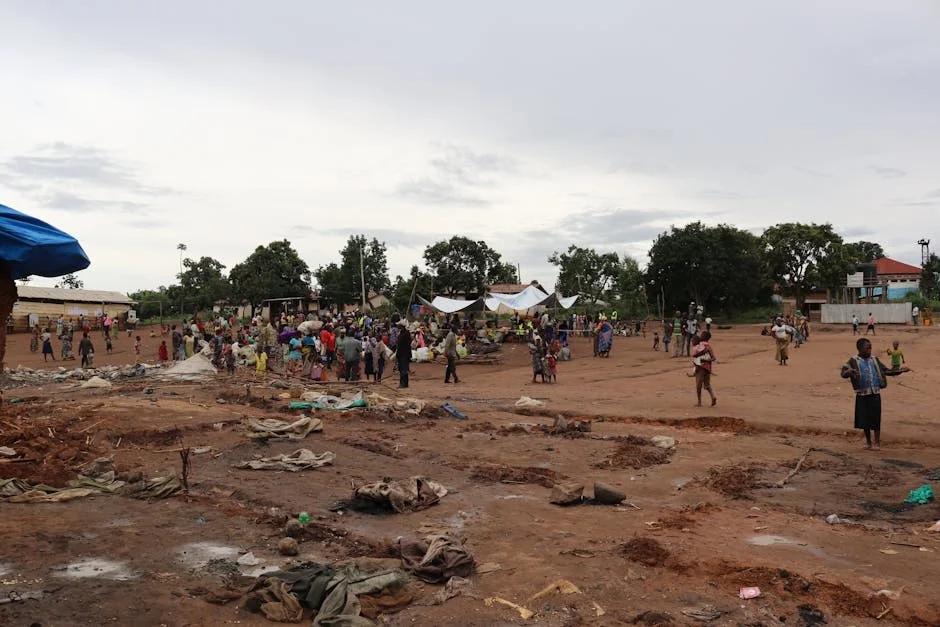
Lead paragraph: The ongoing crisis in South Sudan remains a significant concern for African development, with its ramifications felt throughout the continent. As the nation grapples with political instability, humanitarian issues, and economic challenges, the impact extends beyond its borders, affecting regional partners, including Nigeria.
Context and Background
South Sudan, the world's youngest nation, gained independence from Sudan in 2011. However, internal conflicts have plagued the country since 2013, driven by political power struggles and ethnic divisions. The civil war has resulted in widespread displacement, humanitarian crises, and a deteriorating economy. Efforts to forge peace have been ongoing, but the situation remains tense, with the nation struggling to build the infrastructure necessary for development.
Key Developments
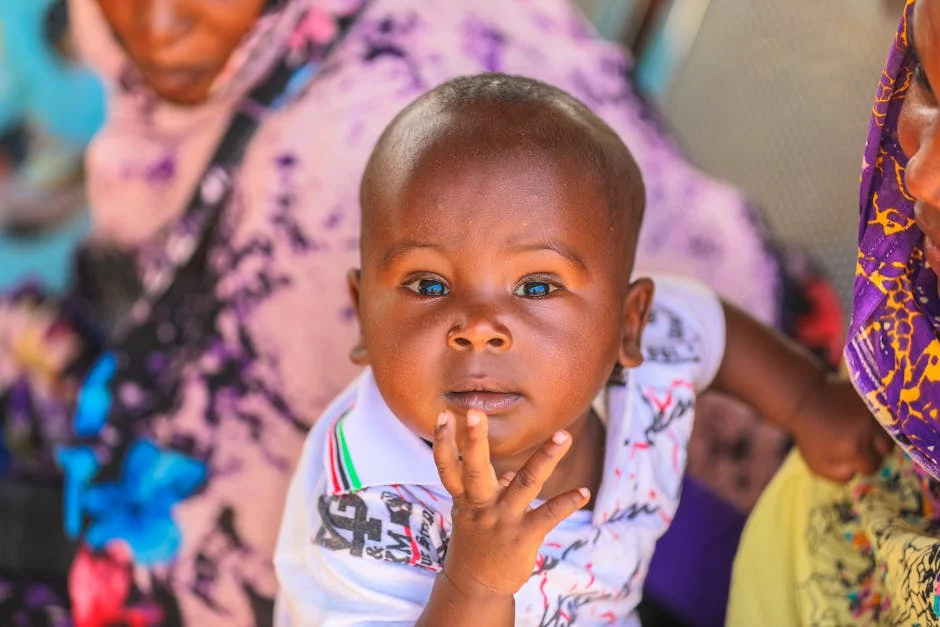
Recently, South Sudan has seen sporadic violence, as rival factions vie for power amidst a fragile peace agreement. The latest political updates indicate that the government is attempting to strengthen its control through military means, raising concerns about human rights violations and further destabilisation. As the country faces food shortages and rampant inflation, humanitarian organisations warn of an impending crisis that could lead to famine.
Details and Evidence
According to the United Nations, approximately 8.3 million South Sudanese will require humanitarian assistance in 2023, representing two-thirds of the population. Additionally, the economy continues to suffer, with inflation rates soaring above 200%. Infrastructure remains severely underdeveloped, with only 12% of the population having access to electricity and limited healthcare facilities available. These factors contribute significantly to the overall instability in the region.
Analysis: African development and pan-African perspective
The crisis in South Sudan serves as a microcosm of the broader challenges facing Africa. Development goals such as the African Union's Agenda 2063, which emphasises sustainable development, good governance, and regional integration, are severely impacted by the ongoing violence and instability. South Sudan's plight also highlights the interconnectedness of African nations; unrest in one country can lead to economic and political ripple effects across the continent, affecting trade, investment, and migration patterns, particularly in neighbouring countries like Nigeria.
Impact and Implications
The situation in South Sudan has significant implications for regional security and development. Nigeria, as a key player in West Africa, must monitor the developments closely as instability can lead to increased refugee flows and potential security threats from armed groups. Furthermore, the humanitarian crisis poses a challenge for international organisations, which may need to divert resources to assist the millions in need, impacting aid availability for other countries.
Outlook
Experts suggest that the path to peace in South Sudan requires a comprehensive approach that addresses the root causes of the conflict, including governance issues and economic reforms. Observers will continue to watch for upcoming peace talks and international involvement, particularly from African Union mediators. As the situation evolves, it will be crucial for Nigeria and other nations to engage in dialogue to mitigate the risks posed by South Sudan's instability and to work collaboratively towards sustainable development across the continent.