UAE residents are expressing alarm as the cost of tomatoes has surged to Dh10 per kilogram, while onions now cost Dh7, reflecting a broader regional food crisis that could have implications for African nations.
Regional Food Crisis Unfolding
The recent spike in vegetable prices in the United Arab Emirates is causing significant concern among local residents. This development is part of a larger trend affecting the Middle East and North Africa, where supply chain disruptions and economic pressures are driving up food costs. In Abu Dhabi and Dubai, consumers have reported a substantial increase in the prices of essential vegetables, leading to widespread dissatisfaction.
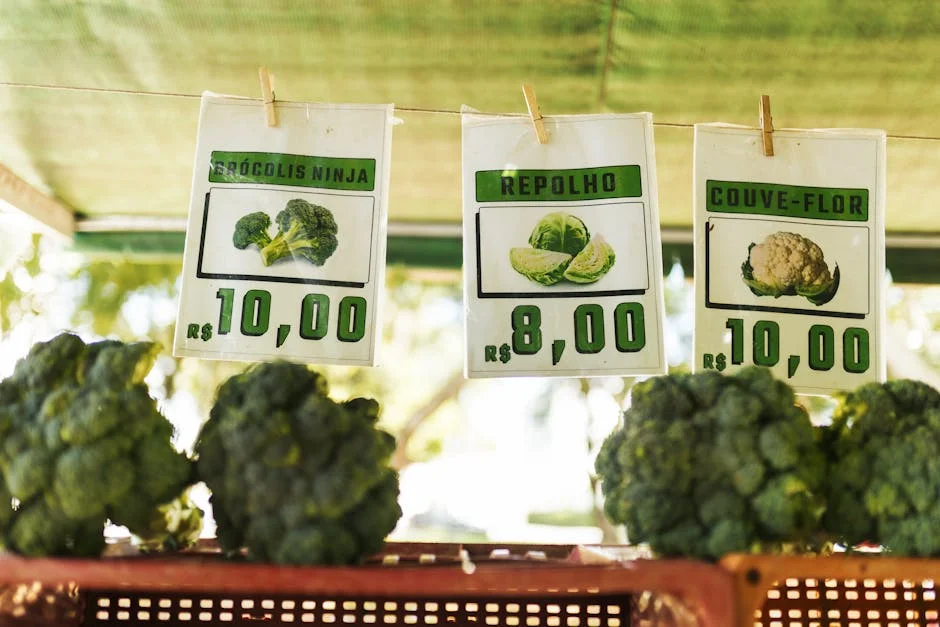
According to local traders, the price hikes are attributed to several factors, including import restrictions, currency devaluation, and logistical challenges. These issues are not unique to the UAE; they are symptoms of a broader regional crisis that has been exacerbated by geopolitical tensions and global market volatility.
African Development Goals at Risk?
The situation in the UAE raises critical questions about the stability of food supplies across the continent. As African countries continue to strive towards achieving the Sustainable Development Goals (SDGs), ensuring food security remains a top priority. The current crisis highlights the vulnerability of food systems to external shocks, which can undermine progress made in health, education, and economic growth.
Nigeria, for instance, faces similar challenges with fluctuating food prices and supply chain disruptions. In Lagos and other major cities, residents have experienced periodic shortages of staple foods, leading to public unrest and government interventions. The UAE's experience serves as a cautionary tale for Nigeria and other African nations, underscoring the need for robust contingency plans and diversified food sources.
Infrastructure and Governance Challenges
The underlying issue is the fragility of supply chains and the reliance on imported goods. In many African countries, inadequate infrastructure and poor governance contribute to inefficiencies in food distribution. For example, Nigeria's road networks and storage facilities often fall short of the needs of its growing population, making it difficult to maintain consistent food supplies during crises.
Governments across the continent are increasingly recognising the importance of investing in agriculture and food security. Initiatives such as the African Union’s Comprehensive Africa Agriculture Development Programme (CAADP) aim to boost agricultural productivity and reduce dependence on imports. However, more needs to be done to address systemic weaknesses in infrastructure and governance.
Economic Growth and Food Security
The economic impact of rising food prices cannot be overstated. In the UAE, the crisis is likely to dampen consumer spending and erode household savings, particularly among low-income families. Similarly, in Nigeria, food price volatility can exacerbate poverty and hinder economic growth. Ensuring stable food prices is crucial for maintaining social stability and fostering an environment conducive to investment and development.
Policymakers in both the UAE and Nigeria should take note of the current situation and work towards building more resilient food systems. This includes diversifying trade partnerships, improving local production capabilities, and enhancing regulatory frameworks to protect consumers from price gouging.
Opportunities for Pan-African Cooperation
The UAE’s experience also presents an opportunity for enhanced cooperation between African nations and their Middle Eastern counterparts. By sharing best practices and collaborating on joint initiatives, countries can develop strategies to mitigate the effects of future crises. Regional organisations such as the African Union and the Economic Community of West African States (ECOWAS) play a vital role in facilitating these partnerships.
Moreover, the private sector has a crucial role to play in addressing food security challenges. Investments in technology, innovation, and sustainable farming practices can help improve yields and reduce waste. Public-private partnerships are essential for scaling up these efforts and ensuring that the benefits reach those most in need.
The UAE's current food crisis serves as a stark reminder of the interconnectedness of global markets and the urgent need for proactive measures to safeguard food security. For Nigeria and other African nations, the lessons learned from the UAE highlight the importance of investing in infrastructure, governance, and regional cooperation to achieve sustainable development goals.
Frequently Asked Questions
What is the latest news about uae residents shocked as tomato prices soar to dh10 what does it mean for africa?
UAE residents are expressing alarm as the cost of tomatoes has surged to Dh10 per kilogram, while onions now cost Dh7, reflecting a broader regional food crisis that could have implications for African nations.
Why does this matter for economy-business?
This development is part of a larger trend affecting the Middle East and North Africa, where supply chain disruptions and economic pressures are driving up food costs.
What are the key facts about uae residents shocked as tomato prices soar to dh10 what does it mean for africa?
According to local traders, the price hikes are attributed to several factors, including import restrictions, currency devaluation, and logistical challenges.