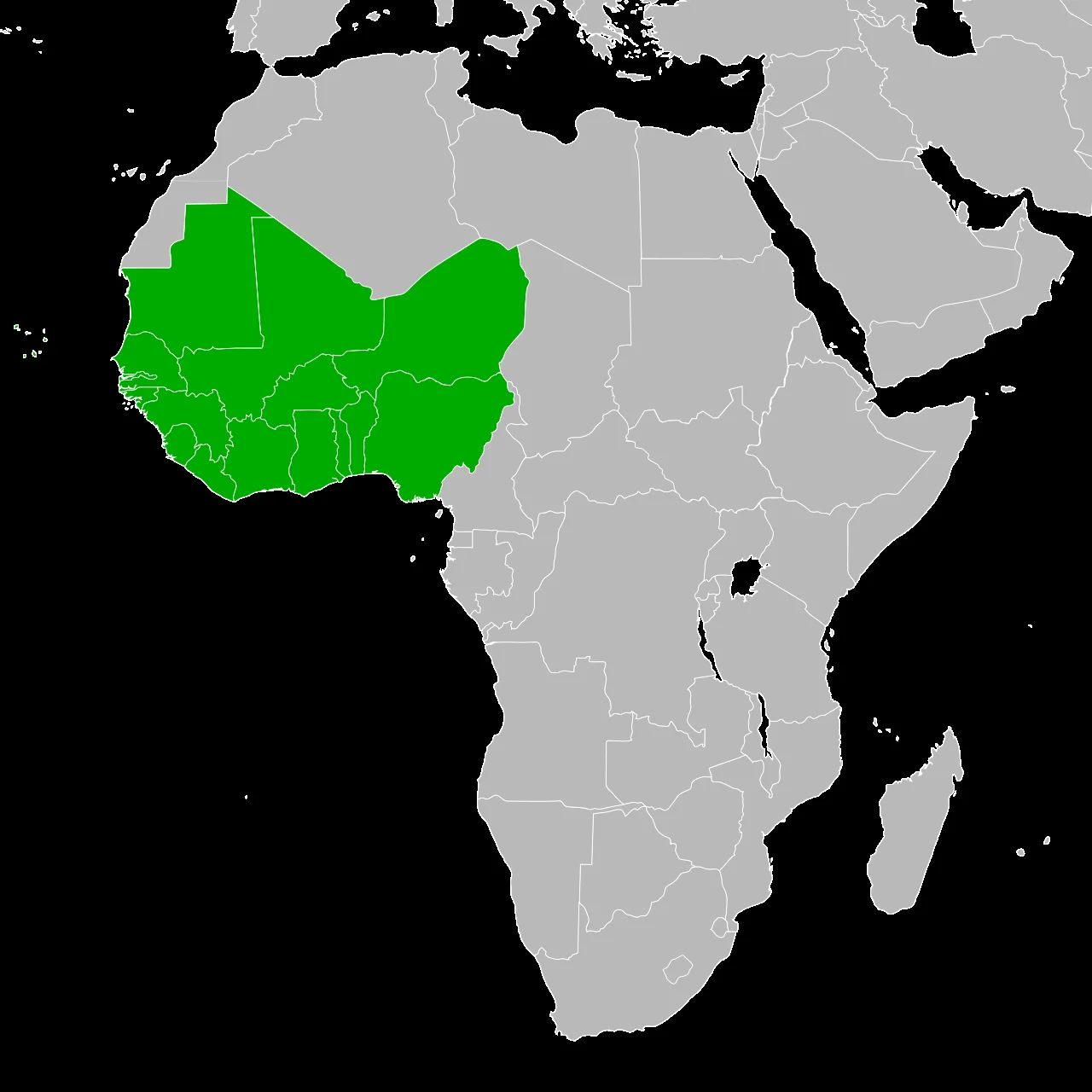
In a sudden turn of events, oil prices have skyrocketed, prompting analysts to warn that this spike could have significant repercussions for African economies. The surge, which occurred in early October 2023, has raised concerns regarding inflation, economic growth, and essential services across the continent.
Rising Oil Prices: Immediate Consequences
The recent increase in oil prices comes amidst geopolitical tensions and supply chain disruptions, with crude oil hitting nearly $100 a barrel. This trend is expected to escalate transportation and production costs, consequently impacting the price of goods and services across Africa. Countries reliant on oil imports, such as Nigeria and Ghana, are already feeling the pressure, with some analysts predicting a rise in inflation rates exceeding 10%.

Impact on African Development Goals
The spike in oil prices poses a direct threat to the United Nations’ Sustainable Development Goals (SDGs) that many African nations are striving to achieve. Goals related to poverty reduction, health, and education are particularly vulnerable as rising costs can divert government spending from essential services. As fuel prices soar, transportation costs for healthcare and education supplies are likely to rise, hindering access to vital services.
Infrastructure Challenges Exacerbated by Rising Costs
Infrastructure development, a cornerstone for many African countries' economic strategies, also stands to suffer. Governments may have to reallocate funds initially earmarked for infrastructure projects to address the immediate fallout from rising oil prices. This could delay critical projects aimed at improving transport, energy, and telecommunications, ultimately stalling economic growth and regional integration efforts.
Opportunities Amidst Turmoil
Despite the challenges, some analysts argue that the situation presents opportunities for African nations to reassess their energy policies. The oil price hike could catalyse investment in renewable energy sources, enhancing energy security and sustainability. Countries like South Africa and Kenya, which are already making strides in solar and wind energy, could attract further investment as governments seek to reduce dependence on volatile oil markets.
Governance and Economic Resilience: The Path Forward
To navigate the economic turbulence caused by the oil spike, effective governance will be crucial. Policymakers must explore ways to cushion their economies from external shocks by diversifying energy sources and improving fiscal management. Strengthening regional cooperation could also provide a buffer against global market fluctuations, enabling countries to share resources and strategies for resilience.
What to Watch Next
As the situation unfolds, stakeholders across the continent will need to monitor the long-term effects of the oil price surge on both the economy and essential services. Analysts suggest that the governments' response will be key—whether they prioritise short-term relief or invest in long-term sustainable solutions will dictate the trajectory of economic stability and growth in the coming years.
Frequently Asked Questions
What is the latest news about oil prices surge analysts warn of economic setbacks for africa heres why?
In a sudden turn of events, oil prices have skyrocketed, prompting analysts to warn that this spike could have significant repercussions for African economies.
Why does this matter for economy-business?
This trend is expected to escalate transportation and production costs, consequently impacting the price of goods and services across Africa.
What are the key facts about oil prices surge analysts warn of economic setbacks for africa heres why?
Goals related to poverty reduction, health, and education are particularly vulnerable as rising costs can divert government spending from essential services.